Online Reporter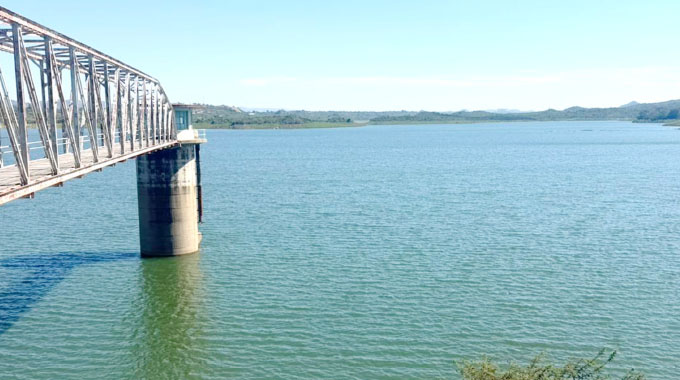
Vusumuzi Dube Deputy Radar Editor
BULAWAYO’S supply dams have recorded their highest combined water storage levels in the past eight years at the close of the 2025/2026 rain season, marking a significant, albeit cautious recovery for the city’s strained water system.
According to the latest municipal water update, overall dam storage closed the season at approximately 70 percent, reflecting improved inflows and comparatively stronger hydrological performance than most recent years.
While authorities noted that the season was not an exceptional recharge period, they said it delivered a “solid recovery and system stability,” offering a reasonable buffer going into the dry season.
The trend is reflected in historical dam storage performance, where recent years have largely hovered below the current levels, making the 2025/2026 season the strongest in close to a decade in terms of percentage water stored at the end of the rainy cycle.
“In summary the 2025/2026 rainy season performed fairly well, closing with approximately 70 percent dam storage, indicating a solid recovery and system stability. While not an exceptional recharge year, it compared favourably with most recent seasons.
“Percentage of water in the dams at the end of rainy season and provided a reasonable buffer going forward, subject to sustained catchment protection and prudent water-demand management,” reads the report.
According to the statistics, the city only recorded a level higher than this year’s in 2018 when the dams were 78.9 percent full.
The only other time the dam levels came close to this year’s figures was in 2021 when the dams ended the rainy season at 68.9 percent full while last year the dam levels were pegged at 49.4 percent full.
In the past ten years the highest dam levels at the close of the rainy season were recorded in 2017 where the dams were pegged at 97.6 percent.
Despite the improved dam levels, municipal engineers warn that supply sustainability remains dependent on infrastructure performance and demand management.
As of 19 May 2026, in terms of dam depletion schedules, the data provided by the local authority indicates varying timelines for Bulawayo’s main supply reservoirs, highlighting both medium and long-term risks.
The combined system holds an estimated 272 million cubic metres of usable water (excluding dead storage), with individual dams showing different depletion projections. Insiza Dam is expected to remain viable until November 2029, Mtshabezi until August 2031, Inyankuni until October 2028, Umzingwane until August 2027, Upper Ncema until December 2027 and Lower Ncema until October 2026.
“The average daily volume available for abstraction from all water sources was approximately 165 megalitres a day and current abstraction was 128.2 megalitres a day due to operational challenges including ongoing maintenance contracts, system breakdowns and supply interruptions. The actual average daily production is 117.84 megalitres a day,” reads the report.
Meanwhile, relating to groundwater abstraction through the Nyamandlovu Boreholes system, it continues to play a key supplementary role in the city’s water supply.
According to the report, a total of 33 boreholes are currently operational, with 11 at Epping Forest and 22 at Rochester.
The system is currently delivering an average of 7.27 ML/day as of May, helping to ease pressure on surface water sources.
However, reliability concerns persist, with seven pumps reported burnt out and out of service at Epping Forest, reducing overall system efficiency.
Over the years the city has experienced perennial water shortages, in the short term, the local authority has eased the challenges through tighter demand management, improved rationing enforcement, rapid repair of leaks and burst pipes and striving to restore efficiency in pumping and treatment systems to minimise high distribution losses.
Medium-term solutions focus on rehabilitating ageing infrastructure, including upgrading pumping stations, expanding and maintaining the Nyamandlovu boreholes system and improving energy reliability to reduce frequent interruptions that undermine production and abstraction capacity.
A key medium-to-long term intervention is the proposed Glassblock Dam project, which is expected to significantly boost the city’s raw water supply once completed, easing pressure on existing dams that are increasingly vulnerable to erratic rainfall patterns.