Online Reporter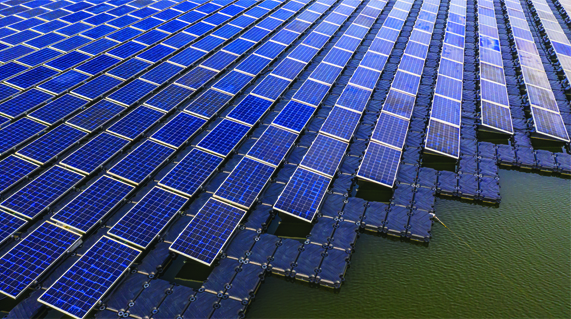
Michael Tome
Business Reporter
Zimbabwe Stock Exchange-listed cable manufacturer CAFCA Limited has commissioned a 1-megawatt solar plant, built for US$1 million, to cut energy costs and improve competitiveness.
The solar plant is expected to reduce CAFCA’s electricity consumption from the national grid by about 30 percent, significantly lowering operating costs.
This investment comes at a time when local manufacturers are facing stiff competition from imported products following the removal of protective trade measures under Statutory Instrument 157 of 2024, which opened the market to increased foreign competition.
CAFCA said the solar project is part of the company’s strategy to improve manufacturing efficiencies and protect margins amid rising production costs.
The plant comprises eight inverters, each with a generation capacity of 125 kilowatts, while nearly 99 percent of the company’s available rooftop space was utilized for the installation of the solar panels. Each solar panel has a capacity of 600 watts.
Speaking at the commissioning ceremony, CAFCA chief executive officer Mr Vimbayi Nyakudya said the project marks a significant milestone in the company’s sustainability agenda and operational transformation strategy.
“We put up a milestone in our sustainability journey with the initiation of this 1-megawatt solar project. This initiative reduces our dependence on the national grid and also significantly lowers our greenhouse gas emissions, reinforcing our position as a pioneer in environmentally responsible manufacturing,” said Mr Nyakudya.
Industry players have increasingly turned to renewable energy solutions as electricity tariffs continue to rise and power reliability remains a challenge for manufacturers.
CAFCA operations executive Engineer Godfrey Mavera said electricity accounted for about 10 percent of the company’s total manufacturing costs, and the new solar plant will reduce that cost.
“We have to improve our manufacturing efficiencies, and one of the major cost drivers in manufacturing is electricity, which contributes about 10 percent of our total costs.
“That motivated us to put up a solar plant to offset our electricity self-consumption. Around 30 percent of our electricity requirements are now covered by the solar plant, and this reduces our total electricity bill by approximately 30 percent,” said Engineer Mavera.
He said the investment complements other cost-management initiatives focused on labour, repairs and maintenance.
Engineer Mavera added that excess electricity generated during off-peak consumption periods would be exported into the national grid under Zimbabwe’s net metering framework, allowing the company to receive credits for surplus power generation.
Under the prevailing net metering tariff structure, peak periods are rewarded at around US$0.23 per kilowatt hour during high-demand periods, while standard tariffs average approximately US$0.18 per kilowatt hour during off-peak periods.
Through the generation of part of its own electricity requirements, CAFCA is expected to shield itself from escalating utility costs and improve long-term operational sustainability.
The investment also shows growing private sector participation in renewable energy generation as companies seek to secure stable power supplies and reduce reliance on the national grid. CAFCA sales and marketing executive Mr Bazil Makoni said the solar investment reflects the company’s long-standing commitment to environmental sustainability and energy efficiency.
He said the project demonstrated CAFCA’s commitment to reducing its carbon footprint while aligning with global sustainability standards.
“We believe in sustainability. Solar power is clean power and green power. This investment goes beyond the financial numbers. It is testimony that we mean what we tell our stakeholders and the market regarding sustainability.
“We have this planet we borrow from future generations, and our responsibility is to leave it better than we found it. CAFCA is taking a responsible step by investing significantly in this solar plant,” said Mr Makoni.
Zimbabwean manufacturers are increasingly embracing renewable energy projects to mitigate utility costs, improve energy security, and enhance competitiveness in regional and international markets.