

 Online Reporter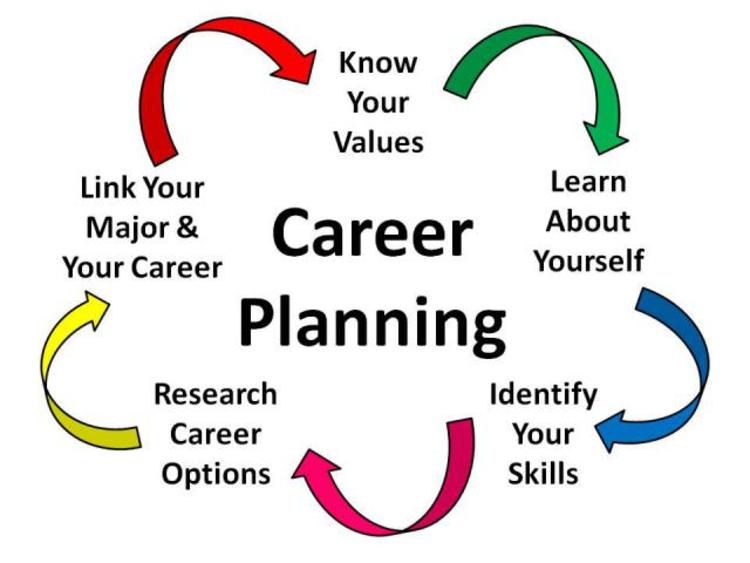
Latwell Nyangu
Youth Interactive Writer
Life on campus and life off campus often feel like two different worlds.
On campus, schedules are structured, with timetables, lectures, assignment deadlines, and the predictable rhythm of semesters. The truth be told, off campus, life is less predictable.
It is a world of applications, interviews, competition, and sometimes rejection.
Students can prepare academically, but without career guidance, the transition can become overwhelming.
Many arrive on graduation day without a clear sense of where to start, what to prioritise, or how to interpret labour market information that changes from year to year.
Campus life has a way of turning ordinary days into lasting reflections.
The campus itself becomes a mirror as it reflects ambition and possibility in the small acts of support students give one another.
Yet even as students learn to do their academic responsibilities, many are left wondering the same question, over and over again.
For some, the answer feels immediate, as job offers might seem like the natural next step.
For others, the pathway is less certain.
This is where campus reflections deepen, because life on campus rarely exists only in books and classrooms.
Students constantly compare what they study with what they hear from the outside world.
They hear about internships that are hard to get, about industries that move faster than syllabi, and about skills that employers ask for but students do not know they need.
And when students listen carefully, they begin to sense a disconnect, not because learning is worthless, but because the bridge between education and employment is often not strong enough.
That is why students need career guidance.
This week, I am bringing up the issue of career guidance again, but this time in line with the new policy which the Government has put in place.
I once discussed this issue in previous years, and even now it remains relevant in an era where education must be more than preparation, as it must be direction.
Students are not simply collecting credentials, but they are shaping lives.
They need to be guided on what they will do after completing their academics, guided in a way that helps them make choices that are realistic, informed, and future-ready.
Career guidance is not just advice about jobs, since it is a tool for identity, confidence, and planning.
It helps students understand their strengths, explore possibilities, and connect their interests with opportunities that exist in the labour market.
This is why the government’s new career guidance policy is a promising development—a way to go.
According to the government, cabinet noted and approved the National Career Guidance Policy, presented by the Vice President, Dr Kembo Mohadi, as the Chairman of the Cabinet Committee on Social Development.
The policy is meant to address longstanding challenges such as fragmented service delivery, capacity and resource shortages, and the persistent disconnect between education and the labour market.
In simple terms, it recognises a problem students have been experiencing, including that support is not always available where it is needed, and the connection between learning and work is not always clear.
More importantly, the policy is designed to empower individuals, especially youths and marginalised groups, with personalised support and timely, accurate labour market intelligence. This matters because students do not all need the same thing.
Some need help choosing subjects or training paths, while others need help understanding career options, entry requirements, or emerging industries.
With up-to-date information and practical tools, students can make decisions that reflect both their aspirations and the realities of the economy.
When education aligns with market needs, it becomes easier for graduates to find work or even create work through entrepreneurship and innovation.
The policy also aims to align education and training through the harmonisation of curricula and training programmes with current and future labour-market needs across all educational levels from early childhood through to tertiary education.
That detail is crucial.
Career guidance should not begin only at the end of school life.
It should grow steadily, helping learners build direction as they progress.
It should start early enough for guidance to shape subject choices, skill development, and expectations long before graduation day.
In addition, the policy seeks to ensure inclusivity and equity by making career guidance accessible to vulnerable groups.
This speaks directly to student reflections, because campus conversations often reveal how different students experience opportunity.
Some students have strong family networks that can offer advice.
Others do not.
Some have resources to research careers independently.
Others rely on what institutions provide.
If guidance becomes available to all, then career planning becomes less about luck and more about support.
The policy also strengthens labour market information systems, intended to be accessible digitally in real time.
This is essential for students who want clarity in a fast-changing world.
It strengthens career guidance services by professionalising them, establishing national standards, accreditation, and continuous training for career guidance practitioners.
It also promotes collaboration among government, education, industry, civil society, and development partners.
Career guidance cannot be one person’s job as it must be a shared effort, connecting training with real opportunities.
The policy is meant to become a system that works consistently, improves over time, and remains accountable.
As students continue their campus reflections about friendships, aspirations, challenges, and the meaning of graduation, they deserve more than hope.
They need direction.
They need career guidance that connects the life they build on campus with the life waiting beyond the gate.
With this policy, there is a real chance to strengthen that connection, helping students move from uncertainty to informed decisions, from studying in isolation to planning for purposeful futures.
And that, truly, is a way to go.
Until we meet for a toast at the show
Feedback: nyangu.latwell27 @gmail.com



