Online Reporter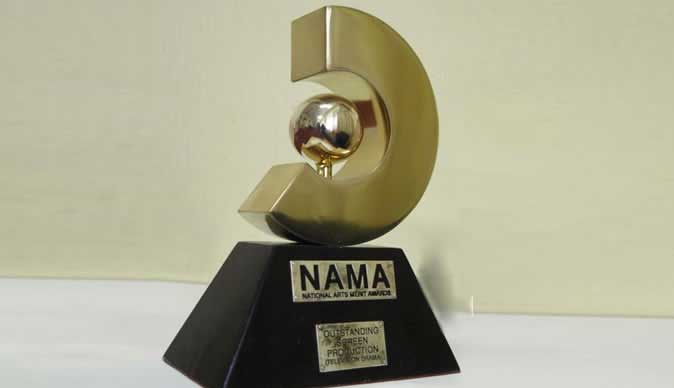
Tafadzwa Zimoyo
Zimpapers Entertainment Editor
The Zimbabwean arts and music scene traditionally exhales in January.
It is a quiet month, not for lack of creativity, but for survival.
Artists retreat to rest and recalibrate after a demanding festive season, while promoters tread cautiously, aware that audiences are financially stretched by school fees, rentals and the general cost of restarting the year.
Risky shows often translate into losses, so stages dim, speakers fall silent and the industry pauses.
But this lull is not a weakness.
It is a runway.
As February and March approach, Zimbabwe’s creative economy begins its most important build-up: awards season.
At the centre of it all stands the National Arts Merit Awards (NAMA) − the country’s biggest and most symbolic celebration of artistic excellence.
More than trophies, NAMA represents validation, legacy and national memory. It is where the arts are meant to feel important again.
By now, NAMA should not be finding its feet.
The awards are seasoned.
The formula, the skeleton and the rhythm of a great show should be second nature.
A flowing, well-paced ceremony is no longer a luxury, it is an expectation.
Zimbabwean audiences have matured, artists have grown more global, and comparisons with neighbouring countries are inevitable.
There are important lessons to borrow from the region. In South Africa, Nigeria and Zambia, awards ceremonies are immersive experiences rather than mere announcements of winners.
Fashion is intentional, red carpets are curated moments, and appearances are treated as extensions of artistry.
Guests and artists respect the platform by arriving prepared, polished and punctual. Zimbabwe must take a leaf from this book. Awards nights should feel aspirational. They should announce confidence before a single trophy is lifted.
Organisation remains the backbone.
Tight production schedules, rehearsed presenters, smooth transitions and respect for time elevate a ceremony from ordinary to unforgettable. These are not foreign concepts they are standards.
By now, NAMA should understand what works and what does not.
The structure must allow winners to shine without dragging the programme, performances to excite without overshadowing the awards, and hosts to guide the night with authority and warmth.
To NAMA’s credit, the awards have delivered moments that proved what is possible when ambition meets preparation.
Past editions showcased tremendous hosting and daring stagecraft.
Audiences still recall performances featuring motorbikes roaring onto the stage, bursts of fire, and water elements that transformed music into theatre.
These were not gimmicks; they were statements of intent, evidence that Zimbabwean awards can compete visually and creatively with the best in the region.
Hosts, too, have played a defining role in past successes.
Their ability to command the stage, manage live audiences and keep energy high demonstrated that hosting is an art form in itself. A strong host anchors the night, rescues awkward moments and maintains momentum. As awards season approaches, that standard must be protected and elevated.
Fashion deserves equal seriousness.
Awards ceremonies are cultural mirrors. What artists wear, how designers interpret the moment and how red carpets are curated all contribute to the global image of Zimbabwe’s creative industry. When fashion is treated as an afterthought, the night loses texture. When it is embraced, it becomes part of the storytelling.
Beyond glamour lies credibility.
Transparency in adjudication, clarity in categories and consistency in criteria build trust. By now, NAMA should have a clear identity − one that balances popularity with artistic merit, mainstream success with emerging talent. A predictable but fair structure allows artists to understand the system and respect its outcomes
As Zimbabwe counts down to awards season, the silence of January should be recognised for what it is: preparation time. The industry is resting, yes − but it is also watching. Expectations are high. The audience is ready. The artists are hungry.