admin
admin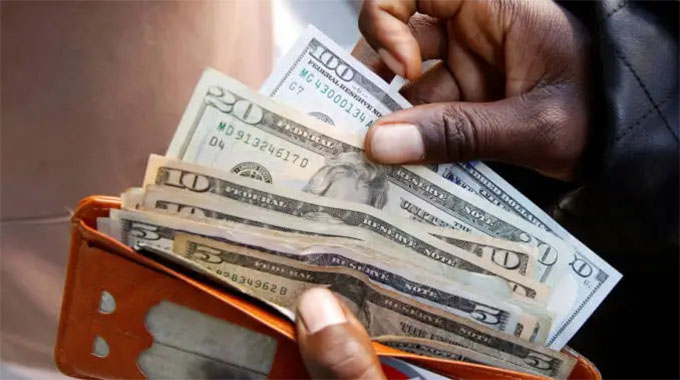 Ngoni Dapira
GOVERNMENT has been calling for the formalisation of Small to Medium Enterprises after recognising that they have become the main drivers of the ‘‘new economy’’ in Zimbabwe, but most of them are operating secretly to evade tax.The transition has, however, been facing resistance not solely because of tax evasion, but capitalisation constraints.
Business Post interviewed some SME players and found out that some wanted to formalise, but due to liquidity constraints in the country and inability to access affordable long-term loans to capitalise their enterprises as feasible formal entities that pay taxes, they wind up operating in the shadows.
One entrepreneur, Mr Joel Mudambo who has a backyard enterprise that produces engine cleaner additives, body filler for panel-beating and crayons from chalk residue, said he has been making efforts to expand his business and formalise, but capitalisation was the greatest hurdle.
“I have been selling my products on the black market. I have been producing small quantities because I have no money. Last year I approached the Standards Association of Zimbabwe and they told me that I had to have a registered company for my product to be tested and certified, of which it requires money to buy a shelf company, money that I do not have at the moment. All I have is expertise to make my products which I got from a Japanese panel-beater I used t work for.
“I have been looking for a partner or financier, but failing to find one. I want to run a formal enterprise, but money for capitalisation is a problem,” said Mr Mudambo.
Mr Mudambo said he needed $5 000 to get his business on track. He said he even tried to approach the Youth Fund programmes, but unfortunately he was above the 35 years age limit.
Another entrepreneur, Mr Humure of Humsolar and Electricals, said he faced the same challenges since his business collapsed during the hyper-inflation era.
He said resuming operations as a formal tax-paying enterprise was now costly and required a lot of money, which they did not have.
The Zimbabwe National Chamber of Commerce national president, Mr Hlanganiso Matangaidze, is on record as saying that the existing regulatory framework policies on industry and tax regime was prohibitive to the growth of SMEs.
According to the Zimbabwe Agenda for Sustainable Socio-Economic Transformation, Government views SMEs as key economic drivers, but Mr Matangaidze said little was being done to cushion them in the current competitive global world.
He proposed that Government implements five-year tax reliefs to cushion SMEs and allow them to grow.
According to the Minister of Small and Medium Enterprises and Co-operatives Development, Cde Sithembiso Nyoni, more than $7,4 billion not benefiting fiscus was circulating in the informal sector.
A report by the FinScope Micro, Small and Medium Enterprises Zimbabwe Survey Report of 2012, revealed that 85 percent of the MSMEs in the country are not registered.
The rise in MSMEs in the country was due to the massive retrenchment and dearth of the country’s manufacturing sector which currently requires a huge capital boost to revamp operations.
In May, Cabinet tabled and approved the Second MSME Policy Framework (2014-2018) which is expected to introduce comprehensive measures to support the sector.
Among such measures are tax holidays for financiers that provide funds to the sector, whilst registered MSMEs will also be given a lengthy tax-free grace period to cushion them as they regularise their operations. Under the framework Government also plans to review customs duty and tariff regimes to assist players in the sector to access affordable raw materials.



 Online Reporter