admin
adminRumbi Marime
IN most issues of life, it is often difficult to differentiate the fine line between the positive and the negative. It is against this background that the issue of child chores or responsibilities versus child abuse is debated constantly with varying opinions as to where one becomes the other and vice versa.
In the African culture, children have responsibilities in the family or household which they are expected to fulfil. Some contribute towards the family bread basket by partaking in odd jobs and activities such as farming, vending or food for work. Other children are expected to perform household chores such as washing dishes, cooking, cleaning and gardening, amongst many others.
The African Charter on the Rights and Welfare of the Child (1999), which was ratified by Zimbabwe, emphasises the need to include African cultural values and experiences when dealing with child rights. Thus, although our children here in Zimbabwe are protected by child rights which have also been more recently included in the Constitution of Zimbabwe (2013), they still have responsibilities to their respective households which are in line with the African culture, such as to obey and respect their elders as well as to assist in household chores. However, the challenge being faced by the children is the exploitation of those responsibilities.
With the escalating poverty in Zimbabwe, children are being relied upon to assist with the family upkeep and becoming breadwinners in some instances. Girls as young as 13 years old are being recruited as housemaids in order to fend for their families back home in the rural areas whilst being denied their right to education, participation amongst others. I have often heard in women’s circles discussions of maid-hunting with the most popular consensus being, “ndinoda musikana wechidiki, kunyanya kekumusha ndokasinga netsi” meaning “I want the young girls from the rural areas because they are not difficult to handle.”
Yet how often does one hear the employer saying their maid is going to school part-time? It is quite obvious that a young girl with limited exposure and knowledge is so much easier to manipulate at the cost of her childhood and in some cases a potentially bright academic future.
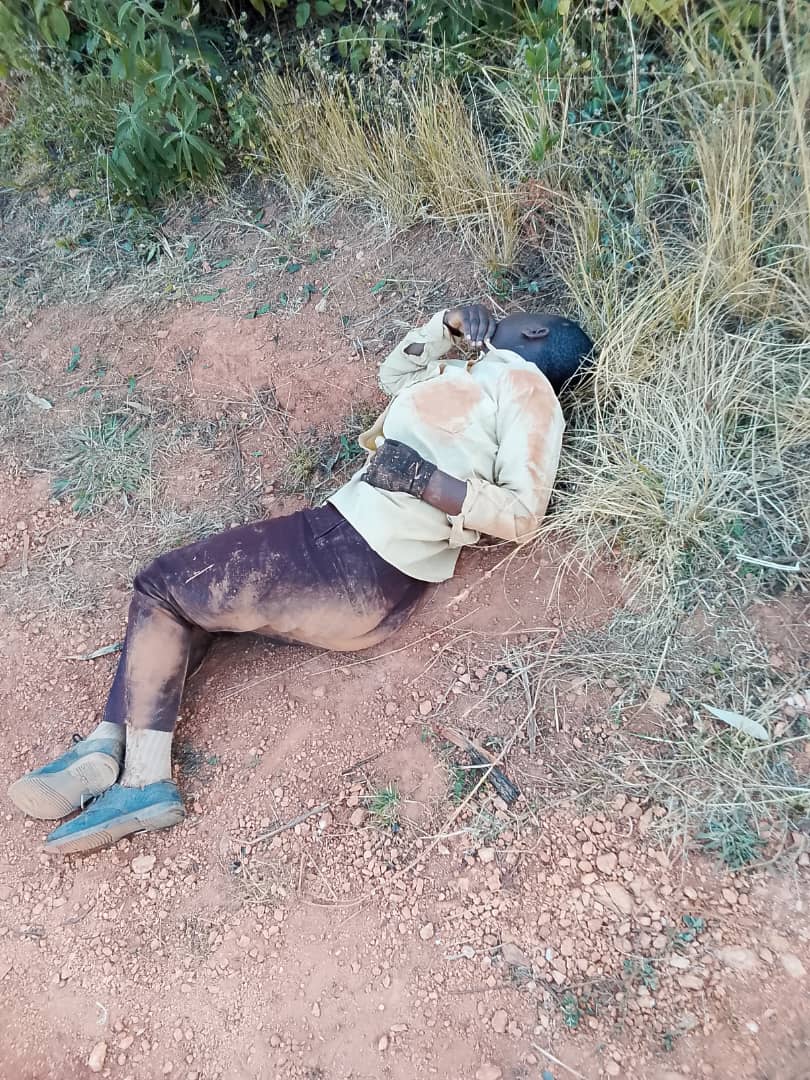
Such situations have more often than not resulted in those children being severely exploited and abused, sometimes sexually by their employers and their relatives or being underpaid and overworked under unsavoury conditions.
Other children are pledged by their families and guardians to people in exchange for the fulfilment of debts, a consolation prize for crimes or errors committed and also a way of ensuring a sustainable livelihood. Such acts are being justified as children fulfilling their responsibility to their family and ultimately obeying and respecting their elders.
Back in the day, a child was not really defined only in biological terms but viewed as a community asset and valuable. Everyone had a responsibility to the children in the community resulting in the term, “everyone’s child.” Nowadays with the increasing figure of child abuse cases, one has to wonder where our sense of humanity is going. Many an orphaned child in the care of relatives will find themselves becoming the workhorse of the family. Of course children should be brought up to be responsible citizens who are capable and able but when a child survives on barely 4 hours of sleep a day because they have a million chores which should be done before and after school, leaving them a limited or no time for homework and even the right to rest and play, the battle lines are drawn between responsibility and abuse. Some will argue that harsh conditions and hard work build resilience and character, however, the question arises, “At what cost to the child and their future?”
As Simukai Child Protection Programme, an organisation working with all vulnerable children of Manicaland, we urge every person to put themselves in a child’s shoes before burdening them with expectations. Children should not be spoiled as that can destroy their character and future potential, yet they should also not be abused as the same detrimental consequences can still befall them. Let us join hands in raising and moulding good citizens for a better tomorrow whilst protecting today’s child from abuse and exploitation.
For further discussion and comments, please visit our facebook page: Simukai Child Protection Programme or email: [email protected]



 Online Reporter