Andrew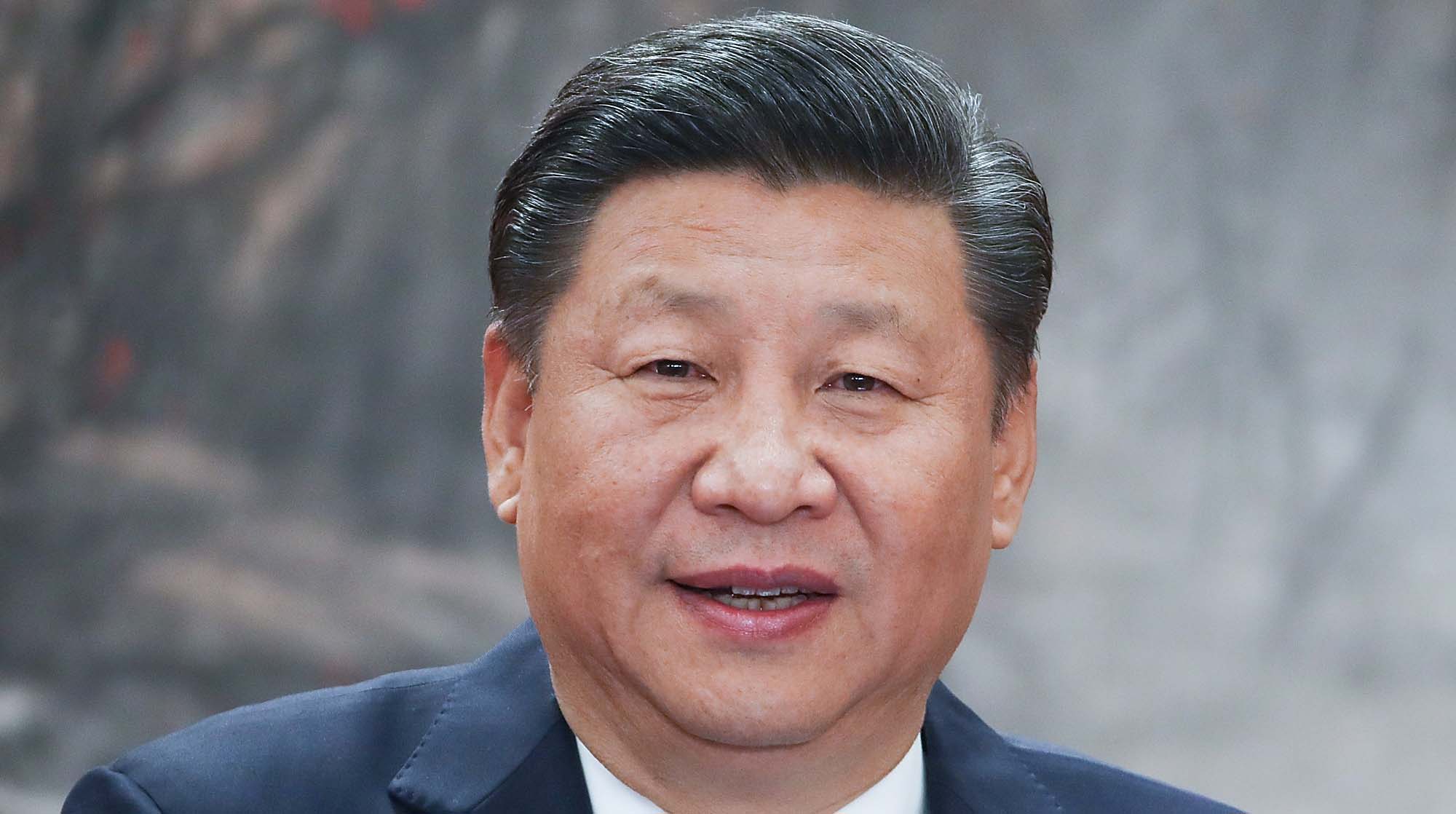
Correspondent
On December 14, 1979, the United Nations General Assembly adopted the resolution on the “Inadmissibility of the policy of hegemonism in international relations.”
In principle, the resolution noted that hegemonism constituted various actions and policies by some states or groups to dominate others.
It stated that hegemonism was “a manifestation of the policy of a state, or a group of states, to control, dominate and subjugate, politically, economically, ideologically or militarily, other states, peoples or regions of the world”.
The UN stated that hegemonism, global as well as regional, pursued in the context of the policy of division of the world into blocs or by individual states, manifests itself in the use or threat of use of force, foreign domination and intervention, and sought to limit the freedom of states to determine their political systems and pursue economic, social and cultural development without intimidation, hindrance or pressure.
Hegemonism, according to the UN, led to a serious threat to international peace and security and ran contrary to “the common desire of all peoples to oppose hegemonism and to preserve the sovereignty and national independence of all States”.
The resolution stated the “importance and urgency of creating a new and equitable system of international relations based on the equal participation of all states in the solution of international problems and the maintenance of international peace and security, one which ensures equal security for all states, and progress and prosperity for all peoples, through the establishment of the new international economic order …”
China champions anti-hegemonism
At the just-ended 20th National Congress of the Communist Party of China (CPC), general secretary, President Xi Jinping, stated clearly that his country was against hegemonism in global affairs.
This is a stance that the party and government has pursued, preferring multilateralism and placing the United Nations at the centre of global affairs.
By contrast, the United States of America seeks to dominate and subjugate other nations of the world.
Western countries in general have practiced racism, colonialism, imperialism and apartheid, which are all forms of hegemonism that the United Nations rejected.
It is thus refreshing that at the recent Congress, China chose to stand with others in equality.
Further, many countries have supported China not least because it helped fight and defeat colonial hegemony, but because China has not shown signs that it has desires to dominate or domineer the world.
President Xi said: “We have promoted the development of a human community with a shared future and stood firm in protecting international fairness and justice.
“We have advocated and practiced true multilateralism. We have taken a clear-cut stance against hegemonism and power politics in all their forms, and we have never wavered in our opposition to unilateralism, protectionism and bullying of any kind.
“We have improved China’s overall diplomatic agenda and worked actively to build a global network of partnerships and foster a new type of international relations. We have demonstrated China’s sense of duty as a responsible major country, actively participating in the reform and development of the global governance system… All this has seen us win widespread international recognition. China’s international influence, appeal and power to shape have risen markedly.”
There is no doubt that China – itself a very old civilisation – has matured politically.
With President Xi at the leadership core, the country continues to practice restraint and calmness in its approach to global affairs.
Despite gaining immense and economic strength over the years, the giant Asian country has used these attributes for mutual benfit with other countries.
China’s own development has been peaceful, attaining its status on the back of its own natural and human resources as well as cooperation with other countries.
China has neither colonised nor plundered any one country.
It is a historical fact that it was itself a victim of these evils as well as domination, subjugation and hegemonism.
Going forward, the world – especially smaller countries – should feel safe that China as a major power has no interest in pursuing hegemonism.
This is good in two ways: First, if it had such ambitions, it would have plunged into confrontation with Western countries, which could have had disastrous consequences; Second, China’s significant power would have translated into another show of favouritism and punishment such as that being brazenly paraded by the US on the global stage.
This behavior is clearly despicable.
The just-ended congress of the CPC demonstrated that the ruling party and Government of China are a force for good in global affairs.
Countries such as Zimbabwe that bore the brunt of colonial subjugation and now sanctions and uneven playing field on the international arena have so much to celebrate from China’s anti-hegemonic stance.



 Online Reporter