Online Reporter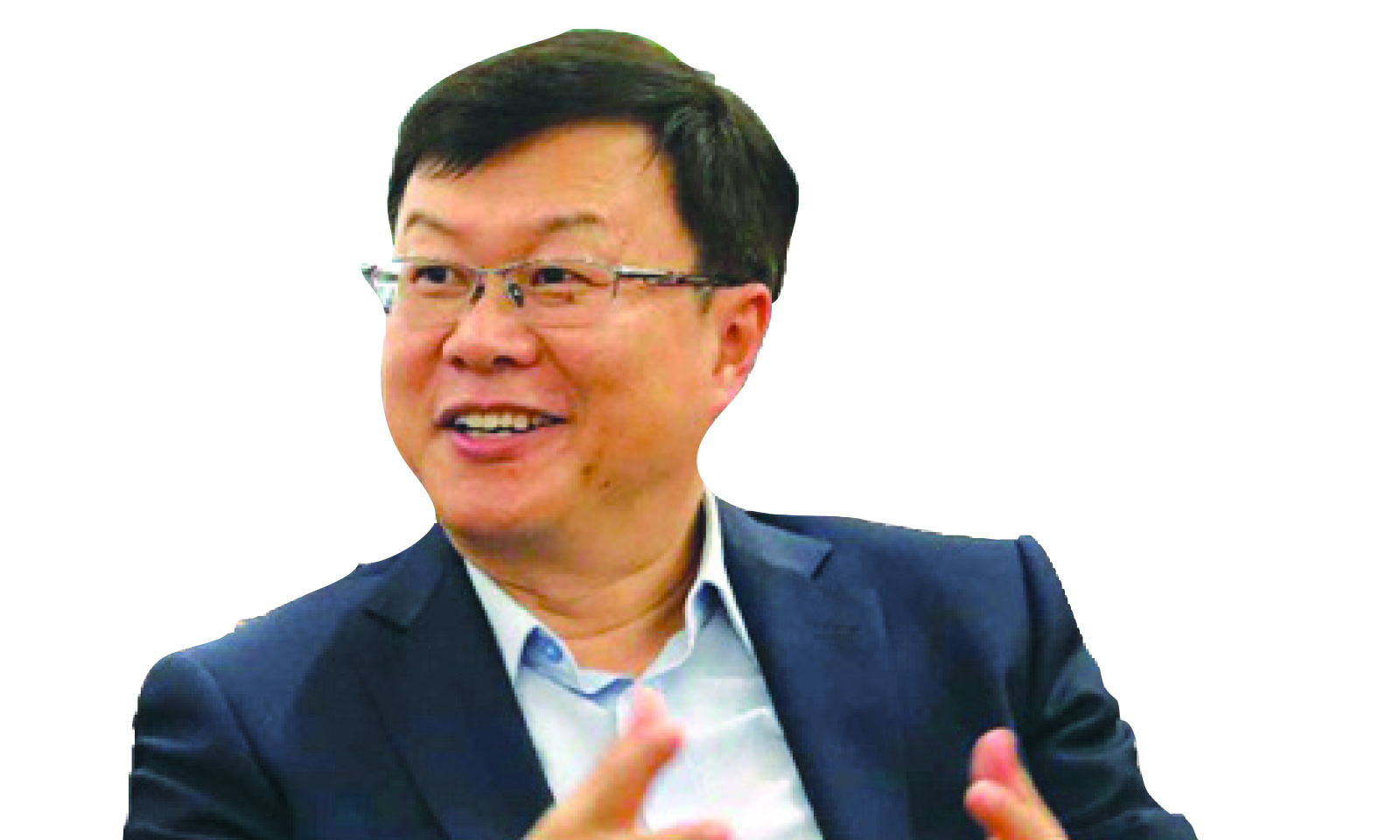
LAST week, President Mnangagwa conducted a high-level visit to China, culminating in a meeting with China’s President Xi Jinping. One of the issues that the two leaders discussed was China’s Global Governance Initiative (GGI). China’s Ambassador to Zimbabwe, Mr Zhou Ding was also in Beijing with President Mnangagwa. He spoke with Zimpapers Politics Hub’s Kuda Bwititi about the GGI and other related subjects.
Q1: Why has President Xi Jinping put forward the Global Governance Initiative? Could you share with us what the GGI means in practice?
A: The GGI was proposed by President Xi Jinping on September 1st, 2025, at the “Shanghai Cooperation Organisation Plus” Meeting in Tianjin, just a few days before President E.D Mnangagwa attended the grand commemorations of the 80th Anniversary of the Victory in the Chinese People’s War of Resistance Against Japanese Aggression and the World Anti-Fascist War. The GGI comes at a time when the world is really struggling. We’ve got regional conflicts flaring up, economies slowing down, climate change hitting harder than ever, and this pushback against globalisation that’s hurting developing countries most. On top of that, this year is the 80th anniversary of the UN’s founding. So everyone’s asking: “How can global governance actually work better for all people?” “What kind of system do we need?” “How do we fix and improve what we have?”
The GGI is China’s answer to those questions. It’s not just a list of ideas—it’s a clear roadmap for action. The principles behind it—sovereign equality, multilateralism, putting people first—resonate deeply with African countries. Over the past 45 years, Zimbabwe has worked tirelessly, in collaboration and coordination with China at the United Nations and other international forums, to advocate for and advance multilateralism. We have both consistently stood for sovereign equality, too. And this shared commitment is now reflected in Zimbabwe’s bid for a seat on the UN Security Council. Given Zimbabwe’s positive track record in multilateral diplomacy, I sincerely hope it succeed in this election — so our two countries can further strengthen cooperation at the Security Council.
Let me share real examples to illustrate how the GGI works in practice:
When Zimbabwe and other African nations get hit by climate-related natural disasters, the GGI’s focus on “action-oriented solutions” translates to more tangible support—such as help adapting to climate impacts, or making green energy more accessible.
Take global trade, too: Current rules often favour wealthy nations. The GGI calls for “inclusive multilateralism,” which is all about pushing for fairer terms — terms that let African exporters truly compete and benefit.
You could perhaps think of the GGI as a lighthouse in the fog. It won’t fix every problem overnight — no single initiative can. But it points us in the right direction: toward a more stable and more equitable world. And here’s the key: The GGI is rooted in the UN Charter. We’re not starting from scratch—we’re building on the shared values that have brought nations together for 80 years.
Q2: What message is China sending to the international community—especially African nations—through the GGI?
A: To our African brothers and sisters, the GGI is first and foremost a message of solidarity. We know the world is split right now—conflict, inequality, and distrust are all pulling us apart. But China doesn’t buy the idea that countries have to pick sides, or that it’s a “zero-sum game” where one wins and the other loses.
The GGI says this: We stand for solidarity, not isolation. We stand for win-win cooperation, not exploitation. Cooperation should lift everyone up, not just benefit the powerful. Take China’s partnership with Zimbabwe, for example—our work in agriculture, infrastructure, education and healthcare? It’s all based on that idea. Your success is our success.
As our Foreign Minister Wang Yi put it, the GGI embodies China’s vision of “extensive consultation, joint contribution, and shared benefits.” For African nations like Zimbabwe, that means we see you as equal partners. We respect your choices, and we’ll work with you to build a fairer world.
I’m delighted to note that our heads of state talked about the GGI when they met in Beijing on September 4th and President Mnangagwa voiced Zimbabwe’s support for this new initiative.
Q3: Could you walk us through how the GGI addresses the specific concerns of developing countries?
A: This initiative is deeply rooted in understanding what developing countries actually need and the challenges they face.
Too often, developing countries are sidelined in global decision-making. That marginalization doesn’t just feel unfair—it holds back their progress. The GGI’s core principles aim to fix these systemic inequalities.
Let me break it down into two key points. First, there’s sovereign equality. That means, regardless of a country’s size or economic status, it should get an equal voice in global affairs. Zimbabwe’s views matter just as much as any major power’s views — that’s not just lip service it’s a foundational part of the GGI.
Second, there’s multilateralism. This gives developing countries platforms to bargain collectively. So they don’t have to face big global issues alone. It is the wisdom we share in both Chinese and African cultures: “Two heads are better than one”—when developing nations stand together, they have more clout.
Beyond those principles, the GGI is also really action-focused. It directs resources to the practical, day-to-day challenges developing countries deal with—things like closing infrastructure gaps, helping with digital transformation and energy transitions, and making technology more accessible. China’s support for Africa’s Agenda 2063, and our Belt and Road cooperation with Zimbabwe and other African countries — those are real proofs of our commitment. The GGI builds on that work by bringing development, security, and governance into one unified framework. At the end of the day, this is about making sure global governance actually serves the needs of the Global South—not just the interests of a few.
Q4: How does the GGI fix the systemic problems we see in current global governance institutions?
A: The GGI directly targets three long-standing issues that have frustrated developing countries, including many in Africa. Let’s break them down:
First, the Global South is underrepresented. Today, emerging markets and developing countries make up over 60% of global GDP, but our voice still doesn’t match that contribution. The GGI calls for fairer representation in bodies like the UN Security Council, the IMF, and the World Bank. As we say, “A table where everyone has a seat is a table where everyone can contribute.” Africa deserves its rightful place there.
Second, international law is being eroded. Unilateral sanctions, ignoring UN resolutions, and this so-called “rules-based order” that only serves a few—all of this has chipped away at trust. The GGI pushes for international law to be applied equally, especially in new areas like AI and cyberspace. No country should be targeted unfairly.
Third, there’s a huge gap between promises and action. The UN’s 2030 Agenda for Sustainable Development is falling behind, mostly because developing countries lack the resources to deliver on it. The GGI focuses on solutions you can actually act on: technology transfer to boost local industries, debt relief for vulnerable nations, and more funding for climate adaptation.
Q5: How does the GGI differ from the global governance frameworks we already have in place?
A: What makes the GGI stand out is that it’s inclusive, practical, and focused on all nations’ needs—not just a handful. A lot of existing frameworks either struggle to turn promises into real action or put major economies’ interests first. The GGI breaks that mould in three key ways:
First, it rejects the idea that a few countries can “monopolise” global governance. As the proverb goes, “The people are the masters of their own land.” When it comes to global affairs, every country—big or small—should have a say in how things are run. That means Zimbabwe’s right to shape rules on trade, climate, or development? Non-negotiable.
Second, it insists on international law applying to everyone equally. Rules can’t be picked and chosen; they need to be collectively made and followed by every nation.
Third, its people-centred approach is all about real, everyday improvements: lifting people out of poverty, creating jobs, and making sure folks have access to healthcare and education. And it’s action-driven—no empty talk. For example, under the GGI, we’ll keep backing Africa’s industrialisation and infrastructure development, building on the work we’ve already started with the Belt and Road Initiative (BRI).
To sum up: The GGI doesn’t replace existing frameworks—it complements them. It fills the gaps that have left the Global South behind.
Q6: How does the GGI balance a country’s sovereignty with the need for global regulatory frameworks?
A: The GGI proposes a model we call “sovereignty-compatible globalisation.” It respects your right to govern your own country, while still letting you cooperate on global issues. Here’s how that works:
First, participation is voluntary. No country is forced to join a global framework—whether that’s carbon trading or digital rules. You pick what’s best for your people, just like how Zimbabwe decides its own agricultural policies or infrastructure plans. As the saying goes, “You can lead a horse to water, but you can’t make it drink.” Sovereignty isn’t up for negotiation.
Second, responsibilities are differentiated. Advanced economies—which have more resources—should take on binding commitments, like cutting emissions or providing aid. Developing countries like Zimbabwe get support: capacity building, technology, funding—to meet global goals at a pace that works for them.
Third, there’s a UN-backed mechanism to mediate disputes. If a country’s policies clash with global standards, this body helps find a solution—kind of like the WTO’s dispute system, but more inclusive of developing countries. The goal isn’t to “override” sovereignty — it’s to make global rules work with it.
Q7: Could you explain the relationship between the Global Governance Initiative (GGI) and the three global initiatives China put forward earlier — focused on development, security, and civilisation?
A: The GGI isn’t a standalone initiative — it builds right on the foundation of the Global Development Initiative (GDI), Global Security Initiative (GSI), and Global Civilisation Initiative (GCI). Each has its own clear focus: The GDI is all about boosting international cooperation to tackle development challenges; The GSI focuses on pushing dialogue and consultation, not conflict, to work through global and regional disagreements; The GCI is centered on encouraging exchanges and mutual learning between different civilizations, so we can learn from each other instead of clashing; And the GGI is about charting the direction, principles, and specific path for reforming and improving the global governance system and institutions — filling a key gap in how we collectively manage global affairs.
Each of these four initiatives has its own focus, but they don’t compete with one another at all — they can move forward side by side, complementing each other. Together, they’re all meant to be real, positive forces in our changing, turbulent world, and, ultimately, to give a strong boost to humanity’s shared development and progress.
Q8: What role does China envision for itself in advancing the GGI?
A: China sees itself as a humble partner and a responsible contributor, absolutely not a leader that dictates terms to others. We’re committed to walking side by side with Africa and other Global South nations — we’re in this together.
Specifically, there are a few key ways we want to contribute. For one, we want to strengthen cooperation centered on the UN. The UN is the most representative and inclusive global institution, so we’ll push for all countries to take part in global governance reforms through the UN — making sure those institutions stay inclusive and truly reflect the voices of all nations, not just a few.
Then, we’ll focus on practical collaboration. Take Zimbabwe and other African countries, for example — we’ll work with them on the issues that matter most in people’s daily lives: things like adapting to climate change, reducing poverty, and ensuring food security. These are things that directly improve lives, and that’s where we want to put our energy.
Furthermore, we’ll uphold justice for the Global South. Together with Zimbabwe, we’ll continue to firmly oppose hegemony and power politics — because no country should bully others — and we’ll keep fighting to make sure developing countries have a louder voice in global affairs. Their concerns matter, and they shouldn’t be sidelined.
More importantly, we will turn principles into action. Talk only goes so far — so we’ll invest in projects that deliver actual results, prioritising concrete steps that make a difference.
At the end of the day, China doesn’t seek to “lead” global governance. What we want is to contribute to a system that works for everyone — one that’s fair, inclusive, and puts people first. By standing with the Global South, we’re standing on the right side of history — and we’ll keep doing that as we advance the GGI together.