admin
adminBlessing Rwizi
SAVE Valley smallholder farmers are being encouraged to sell excess cattle and invest the money in replenishing the breeding stock.
The Livestock Production and Development Department has embarked on a crusade to educate farmers in Chipinge District on the need to reduce their herd in a bid to save the breeding stock from dying.
The first meeting of the District Livestock Association configuration was held at Checheche Primary School last week.
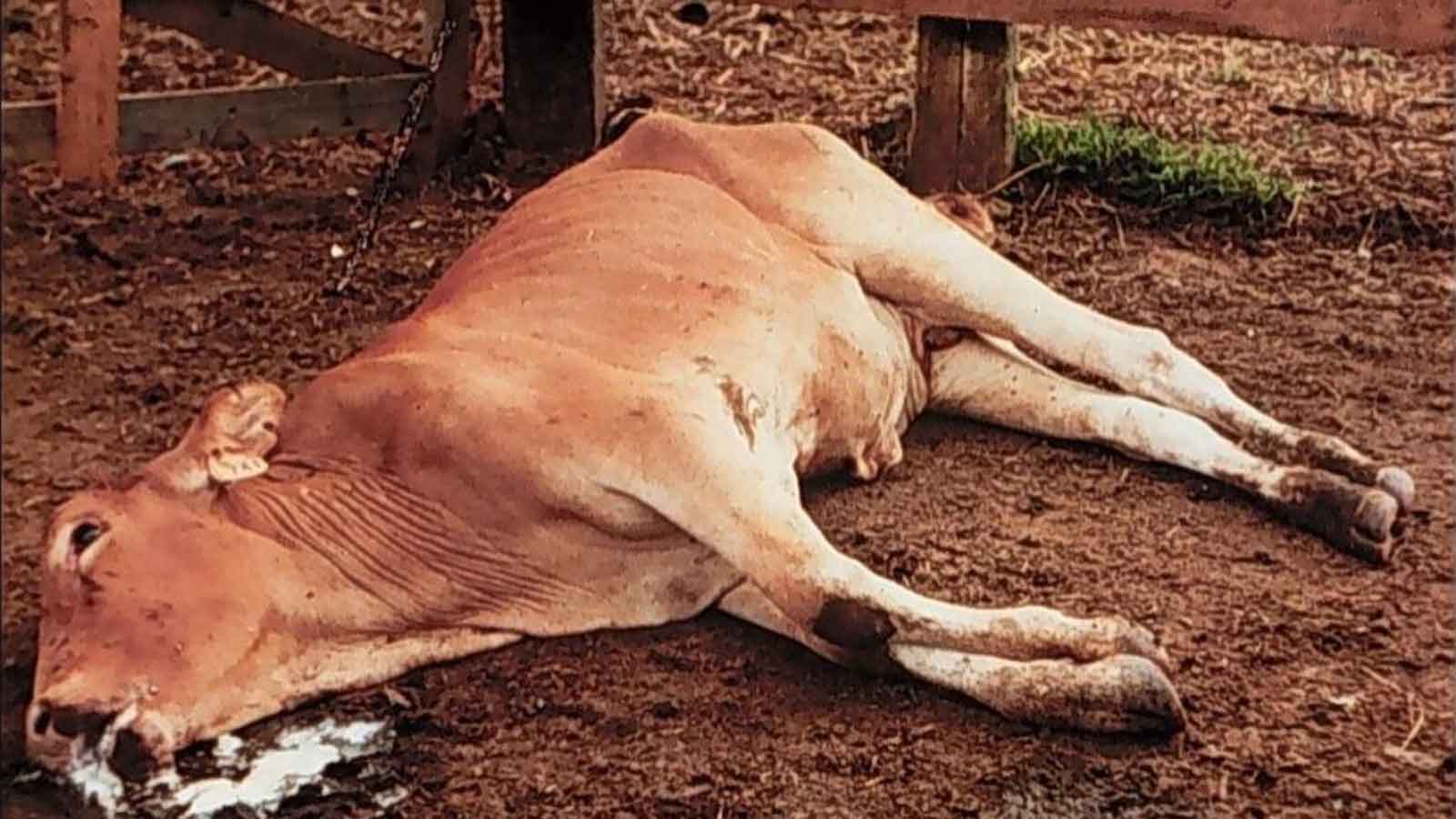
This follows reports in The Manica Post that resource poor smallholder farmers in the district were accruing huge livestock losses due to drought and diseases, with the latest statistics indicating that more than 1 300 cattle had died in the past few months.
The cattle are dying at an alarming rate due to a combination of feed and water shortages as well as exposure to diseases like foot and mouth and anthrax.
Chipinge District is a controlled zone that stretches to Chiredzi due to its proneness to the dangerous anthrax and foot and mouth diseases and as a result cattle movement to other districts is prohibited.
Farmers in the area can only sell or barter trade within the controlled zone, resulting in cattle prices plummeting to as little as $20.
Acting LPD officer for Manicaland, Mr Joshua Zveutete, confirmed that farmers have already started reacting positively to the idea, which was adopted from Gwanda and Chiredzi where drought mitigation have also been going on for some time.
DLAs were formed as committees to work between farmers and Government during the distribution of the 430 tonnes of stock feeds given to the district by the Food and Agriculture Organisation (FAO), as well as other ways of eliminating the problem that has befallen the area.
The stock feeds are being sold at $7 per 50kg bag, which will account for the DLA commit members.
The committee consists of at least one representative from the Ward Livestock Associations in ward 1, 2, 3, 16, 20, 21, 22, 24, 25, 26, 27 and ward 28.
Mr Zvoutete said selling some of the animals also reduce grazing pressure which has been seen as a contributing factor to the death of the animals in these areas.
“Notably the number of animals has become bigger than the grazing lands available in the area so it is wiser for the farmers to engage in destocking and save the breeding stock.
“They should sell some of the cattle rather than leaving them to die because of hunger as this entails double losses to the farmers,” said Mr Zvoutete.
Mr Zvoutete added that the department would continue moving around the district launching awareness campaigns to farmers to destock some of their cattle and save the breeding stock.
In an interview, the chairperson of Chipinge District Livestock Association, Mr July Faera, said they believed destocking was the best available alternative so far.
He said this would help the few animals that remain to have enough food and survive until the drought period is over.
“We believe that destocking is the best option as it helps the few animals that remain to have enough food and water until the drought period is over. From the money that we get after selling some of our animals, we will be able to buy the stock feed which is being distributed in our area by FAO at affordable prices.
“On behalf of the DLA, we shall do our best to deliver both to Government and farmers services that bring a change to Chipinge District,” said Mr Faera.
He further appealed to other organisations to cheap in with other ideas and initiatives that can save animals in the district.
Acting Chipinge Rural District Council chief executive officer, Mr Blessing Mamvosha, added that cattle in Chipinge were constantly exposed to anthrax and foot-and-mouth diseases and, as a result, farmers were inhibited from moving their cattle to other areas with better feed to avoid the spread of the disease.
The Manica Post understands animals in the district are relying on drying borehole water.
Another farmer, Mr Munyati Charuma, revealed that some herds of cattle were being driven into Mozambique in search of pastures.


 Online Reporter