Online Reporter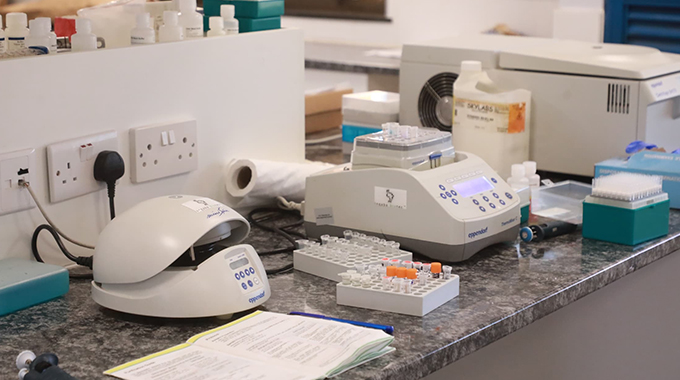
THE National University of Science and Technology (Nust) has recently taken a significant leap forward in the field of genetics and forensics, solidifying its reputation as a beacon of innovation in Zimbabwe.
The Applied Genetics Testing Centre (AGTC) has not only excelled in human paternity testing but has now expanded its capabilities to include animal genetics and crime forensics. This evolution is not just a testament to technological advancement, but a reflection of the institution’s commitment to addressing pressing societal needs through scientific innovation.
The recognition Nust received at the Presidential Innovation Fair 2024, where it clinched both the grand prize for Best Innovator and the title of Best Innovative University, underscores the impact of its initiatives.
With a prize fund of US$50 000, the university’s achievements resonate well beyond the confines of academia. They represent a paradigm shift in how educational institutions can contribute to national development, particularly in sectors that directly affect the livelihoods and safety of citizens.
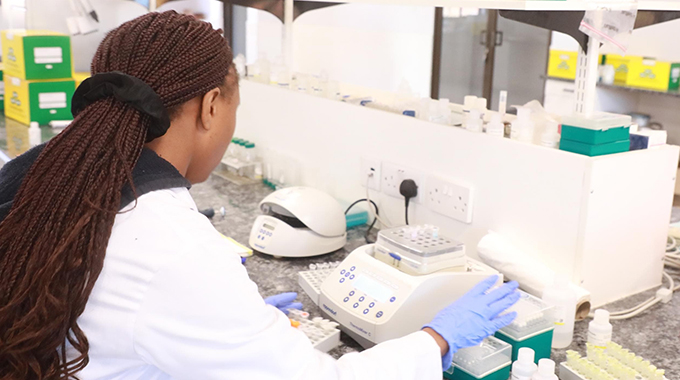
The AGTC has already conducted over 10 000 paternity tests since its inception in 2014. This impressive figure not only establishes the centre as a leader in genetic testing but also highlights the growing trust in its services by the public and law enforcement agencies alike.
The ability to provide reliable DNA testing is crucial in a country where disputes over livestock ownership and criminal investigations can profoundly impact individuals and communities.
One of the most significant contributions of Nust’s AGTC is its partnership with law enforcement agencies like the Zimbabwe Republic Police (ZRP). The ability to process DNA samples from crime scenes, including serious offences such as murder and sexual assault, is invaluable.
Forensic science has the potential to transform the judicial process by providing concrete evidence that can either implicate or exonerate suspects. In a nation where crime can often go unsolved due to a lack of resources, the AGTC offers a solution that not only aids in justice but fosters a safer society.
Mr Zephaniah Dlamini, the head of AGTC, emphasizes the importance of their role in resolving disputes among farmers. The agricultural sector is central to Zimbabwe’s economy, and the ability to ascertain livestock ownership through DNA testing can prevent lengthy legal battles and promote fairness in trade.
This service is particularly vital in the cattle pedigree business, where lineage and genetics play a crucial role in determining an animal’s market value.
Nust’s commitment to innovation extends beyond just human DNA testing. The introduction of animal genetics testing marks a strategic expansion of their services, addressing the needs of farmers who rely heavily on the integrity of their livestock.
This diversification not only enhances the centre’s relevance but also showcases the interdisciplinary nature of modern science, where genetics can influence both human health and agricultural productivity.
Moreover, the AGTC’s involvement in crime forensics is a clear indication of the university’s responsiveness to societal challenges. The ability to analyse forensic evidence, such as semen samples in sexual assault cases, is critical. Such services enhance the credibility of investigations and can significantly affect the outcomes of legal proceedings, thereby reinforcing public trust in law enforcement.
Nust’s innovation is not limited to genetic testing. In response to the global pandemic, the university remarkably transitioned to manufacturing Polymerase Chain Reaction (PCR) kits for Covid-19 testing, slashing costs by 60%.
This initiative not only represents a significant financial saving for the country but also showcases a model of self-sufficiency in medical diagnostics. By producing essential reagents locally, Nust has demonstrated the potential of Zimbabwean institutions to innovate in the face of global challenges.
The success of Nust is a clarion call for other educational institutions in Zimbabwe and beyond. It exemplifies how universities can play an integral role in national development by harnessing their research capabilities to address real-world problems. The AGTC’s achievements should inspire a shift in focus towards applied research that has tangible benefits for society.
As Nust continues to expand its horizons in genetic testing and forensic science, it sets a powerful example of how education and innovation can intersect to create meaningful change. The institution’s achievements in DNA testing, agricultural support, and forensic
science not only elevate its status but also contribute significantly to the welfare of the nation.
The road ahead is promising, and the potential for further innovations in genetic testing is vast. As societal needs evolve, so too must the capabilities of institutions like Nust. By remaining at the forefront of research and development, Nust not only enhances its reputation but also plays a crucial role in shaping a safer, more equitable society.
The journey of AGTC is a testament to the power of science, collaboration, and the relentless pursuit of excellence, and it undoubtedly marks the beginning of a transformative era in Zimbabwe’s approach to scientific inquiry and public service.