Online Reporter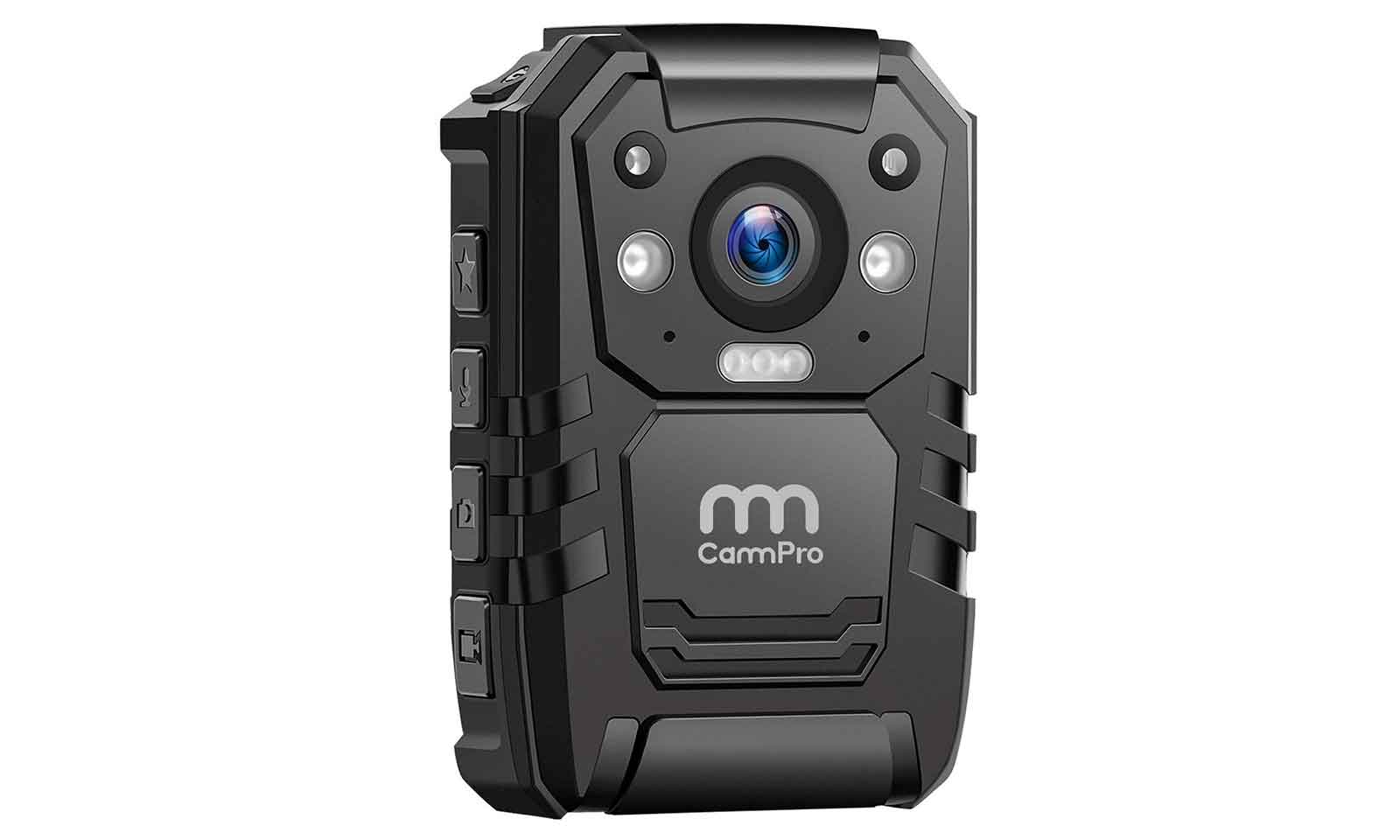
WHILE commendable progress has been made under the Second Republic to eliminate high-end corruption involving senior officials and to make it a lot harder for lower-end officials to accept “presents” for doing or not doing what they are supposed to, the potential for these minor bribes offered by motorists or accepted by police at roadblocks is still there.
The police are aware of this problem, which is why they have hotlines and will take action once reports are made.
But the problem starts with motorists with a bit of cash or the kombi drivers, making it clear that they can produce a modest sum to avoid a traffic ticket and some police feel that they can accept since unproven rumour suggests others are doing so.
The solution to breaking the cycle has always been to have every contact between a traffic officer and a motorist recorded.
This not only removes temptation from both parties, but also produces evidence when motorists feel the law is misinterpreted – which does happen – or when police officers are subjected to some quite unnecessary abuse by an angry motorist caught breaching the traffic regulations.
To equip officers enforcing traffic laws, police have introduced body cameras that strap onto an officer and ensure all contact is recorded.
These have become standard issue in several jurisdictions, especially when many court hearings involve disputed evidence or allegations of bad police or public behaviour.
When a short video recording can be played in court, the truth is revealed, and a sensible magistrate can decide the actual issues based on fact, rather than on one party exaggerating or even lying.
In Zimbabwe, these sorts of disputes, regrettably, usually arise in enforcing traffic laws, and if the rumours are only moderately true, there are many cases when neither the motorist nor the police officer want to take the matter further, despite a very dubious contact between the two.
The cameras will also help more senior officers monitor just how effective their subordinates are when on traffic duty, and quickly allow them to assess which officers are doing a first-class job, often in very trying circumstances, and which officers might need to be retrained or reassigned.
The advent of two other technologies – the breathalysers that measure blood alcohol levels and the speed cameras that record very quickly and easily vehicle speeds — probably need the backing of the video recordings considering the sort of disputes that will otherwise arise in many court cases.
Those about to lose their licence for a year for driving under the influence are likely to make some wild claims.
The possibility of a police officer seeking a high bribe to drop an arrest is also there, although it is a lot harder to destroy evidence from a breathalyser or speed camera than with a manual system or older technology.
Superior officers will want officers to account for all the breathalyser units used and will be curious if it looks as though some speed camera readings have been deleted.
The advent of all these modern technologies removes a lot of discretion from police officers using them; they simply have to enforce the laws regardless of who the driver is or who they are related to or what sort of position they hold in the community.
So we get impartial justice.
Drivers will also have to accept that when they are caught committing an offence with evidence coming from solid technology, then their court appearance will largely be limited to offering mitigation for a lower sentence, rather than disputing the facts.
Again, the law is the law and must be enforced.
We all need to remember that even in corruption, bribery is a two-person transaction.
Someone breaks the law by offering a bribe as well as breaking the law by accepting one.
We have already found in other areas — such as the use of a lot more digital systems in tax collection and even issuing passports — that if it is impossible to offer or accept a bribe, then there is no corruption. We will now see the same in traffic law enforcement.
Enforcement of traffic law is very important.
Road deaths are the third biggest killer in Zimbabwe after HIV/AIDS and tuberculosis, and we have been making such spectacular progress on these medical conditions that unless we are careful, road deaths will take over the number one slot.
We lose more than 2 000 people a year on our roads, and while vehicle damage is obviously a lesser ill, we still lose many millions of dollars a year in damage.
Most low-speed urban accidents, for example, are non-fatal, but drive up insurance costs for everyone, which is not benefiting the economy. In any case, that sort of money should be spent on vehicle improvements rather than repairs, again enhancing safety.
Effective enforcement of road rules does work. When we look at deaths per vehicle on the road, there are countries where enforcement uses every technology possible to drive down the death rate to a couple of percent of the Zimbabwean total.
While 40 deaths a year on Zimbabwean roads is still a tragedy, that sort of target is attainable with high-end enforcement and making sure motorists upgrade their training.
Police and the Government at large, since the funding must come from there, are to be congratulated on moving from mid-20th century style enforcement into the modern 21st century, and we all need to back their efforts so that we all live on the roads instead of dying on the roads.