Online Reporter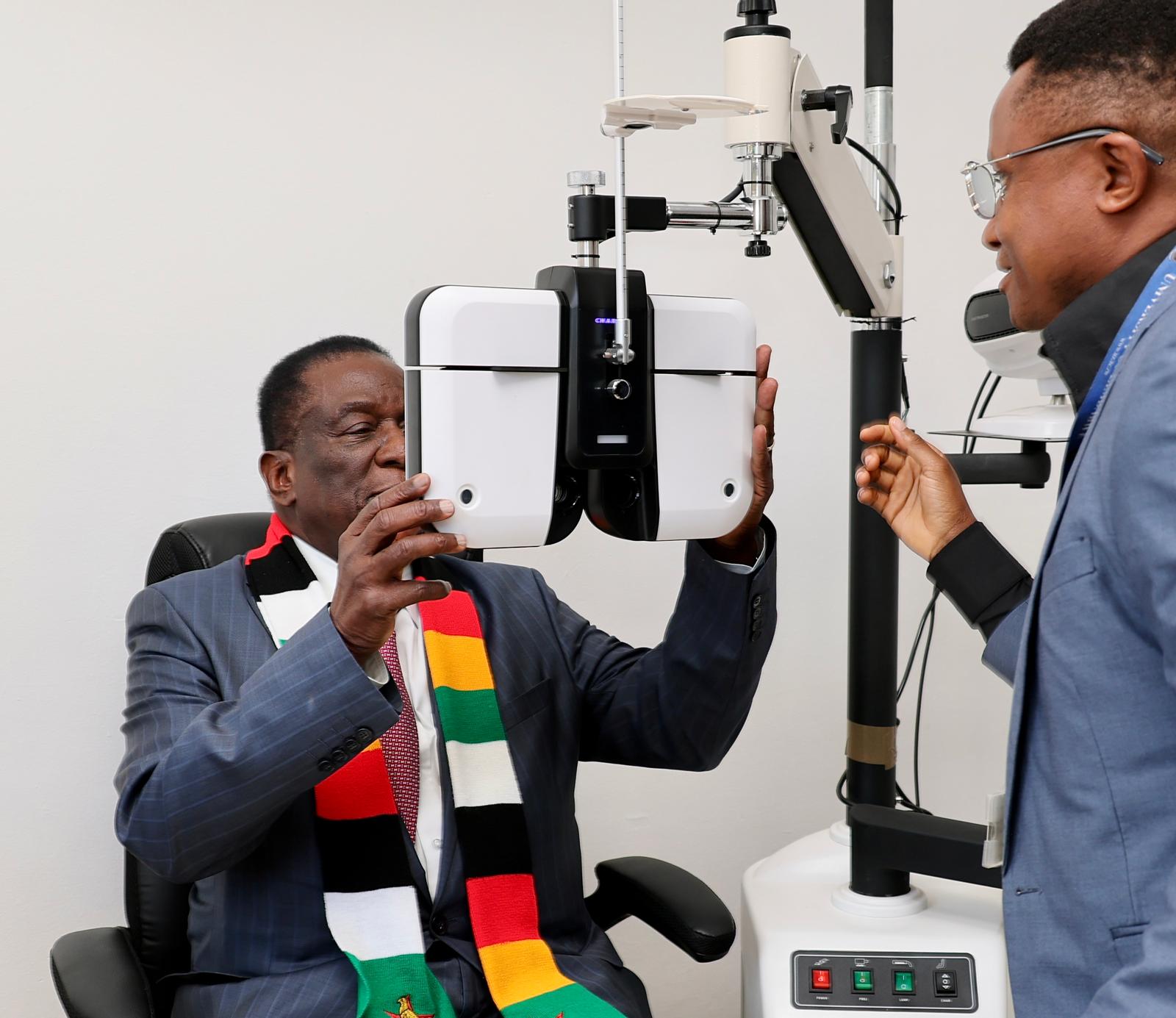
PRESIDENT Mnangagwa yesterday commissioned the University of Zimbabwe (UZ) Industrial Incubation Hub and a Specialist Medical Centre.
The commissioning of the Industrial Incubation Hub and the Specialist Medical Centre marks an important milestone for the UZ as it can now commercialise prototype innovation ideas and skills conceived from its innovation hub.

The incubation hub will assist young people whose projects have gone through the innovation hub and are ready for commercialisation. The Specialist Medical Centre is a multi-disciplinary centre providing oral health, eye health, assisted reproduction and emergency care services. It is therefore a centre for those students specialising in different medical disciplines.
The developments at the UZ confirm that our institutions of higher learning have embraced Education 5.0 heritage-based model whose thrust is to produce tangible goods and services.
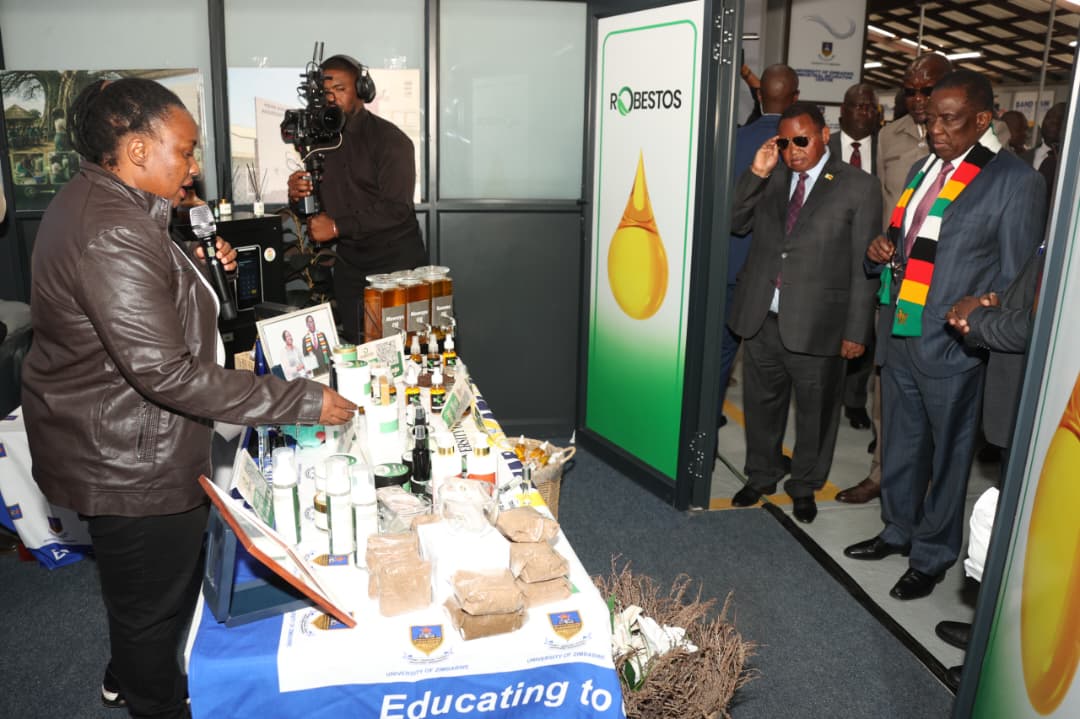
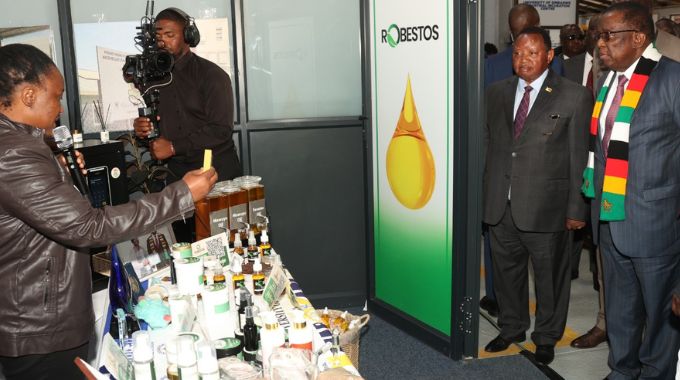
The UZ Incubation Centre is meant to technically support, nurture and mentor university linked start-up companies.
The centre is assisting 11 start- up companies ranging from agriculture, cosmetology, education, energy, engineering, ICT, pharmaceutical, health and transport.

It is pleasing to note that students from our universities and colleges continue to find solutions to challenges facing their respective communities and this is as it should be.
The institutions of higher learning have positively responded to President Mnangagwa’s calls for them to churn out graduates that produce tangible products which demonstrate knowledge acquired.
Many of them have moved from the establishment of innovation hubs to the next stage of establishing Industrial Incubation hubs similar to what
President Mnangagwa commissioned yesterday and can now commercialise their proto-type innovation ideas and skills.
The Midlands State University (MSU) like the UZ has established an Industrial Incubation Hub and has started test runs at its US$11 million coal tar plant in Zvishavane. Full scale production at this plant is expected before the end of the year.
The university is working jointly with the Ministry of Transport and Infrastructural Development and the Research Council of Zimbabwe (RCZ). The tar which is made of crude oil from Hwange coking ovens and recycled chrysotile from Shabanie-Mashava will substitute bitumen which the country is importing.
The local product will cost U$0,70 per litre compared to US2,50 per litre which the country is paying for bitumen. The Zvishavane project is expected to create about 2 500 jobs and reduce the country’s expenditure on imported bitumen by about 40 percent.
This is definitely a game changer for the country’s road construction. What is encouraging is that universities and colleges across the country are coming up with ground-breaking innovations that are benefiting communities and in some cases substituting imports thereby saving the country the much-needed foreign currency.
In a bid to accelerate the country’s industrialisation programme, Government has funded the establishment of innovation hubs at universities and colleges. We therefore urge the private sector to complement these efforts by assisting start-up companies with the required resources.