

 admin
admin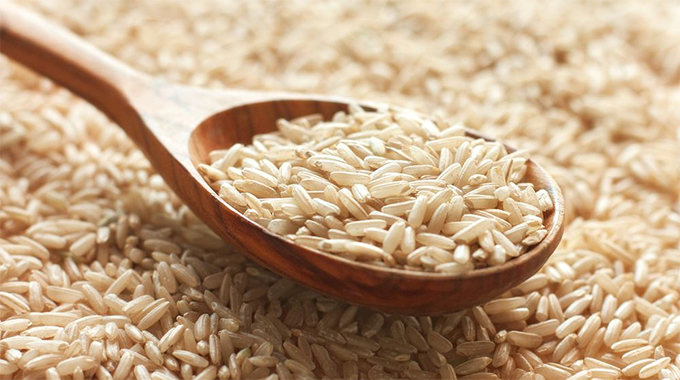
Sharon Shayanewako and Edgar Vhera
THE country must capitalise on the population’s fast changing food preferences from being maize centric to consuming other starches on dietary grounds to produce brown rice, which is reputed for its high nutrition and pleasant taste.
Brown or traditional rice is grown wetland areas around Chegutu, Bikita, some parts of Buhera, Chivi and Murehwa, Chihota and some areas around Chitungwiza. Although it has not received much in terms of supporting policy and extension services like those accorded to maize, traditional rice is being grown from indigenous knowledge passed from generation to generation,” Knowledge Transfer Africa chief executive officer, Mr Charles Dhewa has observed.
The high prices of indigenous rice at local markets against imported white rice are being caused by supply and demand mismatches mainly due to healthy eating habits among consumers.
“Currently, a 20 litre bucket of shelled traditional rice is trading at US$40 with the unshelled going for US$20,” said Mr Dhewa.
Meanwhile, Zimbabwe Commercial Farmers Union president, Dr Shadreck Makombe has also challenged the country to produce traditional rice as an alternative to relying on imported white rice and save foreign currency.
“If traditional rice is going to be produced in large quantities, it means the foreign currency that was meant for imports will be reduced. Commercial production of traditional rice will make it possible for farmers to take farming as a business,” said Dr Makombe.
Dr Makombe observed that people’s food choices had vastly shifted from being maize-centric to including products like rice, spaghetti and macaroni among others, which had created an opportunity for those who can do value addition to produce such products for sale.
“The demand for traditional rice is high especially tourism resorts and eateries causing a spike in the demand for the commodity. The advent of Covid-19 has made many people conscious of their eating habits with demand for traditional rice shooting up due to its health benefits. The vibe created by healthy eating should spur farmers into producing traditional rice,” added Dr Makombe.
Zimbabwe is a net importer of rice and on average spent US$100 million on rice imports annually over the period 2010 to 2021 as shown below.
The peak expenditure on rice imports was in the year 2021 at US$130 million. Zimbabwe imports rice in four categories namely: rice in the rusk (paddy or rough rice), rice husked but not further prepared, rice (semi-milled or wholly milled glazed, parboiled or converted) and broken rice.
Zimbabwe Integrated Commercial Farmers Union president Mrs Mayiwepi Jiti also added that demand for indigenous rice had increased due to its appeal in terms of nutritional value and unique taste.
“Utilising wetlands for the production of rice will also help conserve them,” she explained.
Agritex acting deputy director for Training and Information, Mrs Nester Gumbo said traditional rice was mostly suitable for cultivation in vlei areas under different soil types.
“Traditional rice in Zimbabwe is grown in districts where rainfall is significant and also in vlei areas unlike in low-lying districts with marginal rains.
“Traditional rice can be grown in a wide range of soils, ranging from sand to clay-looms. It is grown early in the season in order to utilise as much rainfall as possible.”



 Online Reporter