Lungelo Ndhlovu, Features Correspondent
In Lushonkwe, a small off-grid village in Gwanda North, Matabeleland South province, the divide between homes with solar power and those without becomes hard to ignore.
As the night darkens, families without electricity are forced to rely on candles, while others enjoy the light and comfort provided by solar energy. But this is not just about light, it is about survival, climate change adaptation and gendered inequalities.
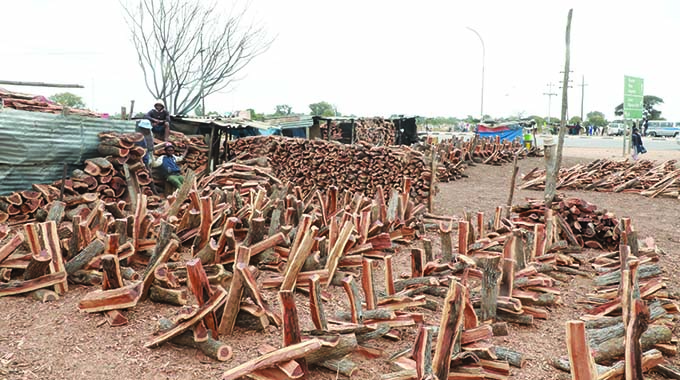
With more frequent droughts and unpredictable rainfall patterns disrupting agriculture and livelihoods, one can say that climate change is reshaping rural Zimbabwe. As firewood becomes scarcer and fossil fuel costs rise, many families turn to solar power as a cleaner, more sustainable energy solution.
However, access to solar energy remains a significant barrier, especially for women, who are more likely to suffer from energy poverty and the associated challenges of managing households in a changing climate.
For women in rural Zimbabwe, the switch to solar is more than a matter of convenience, it is a lifeline. Ms Senzeni Tshuma, a 44-year-old mother of three in Lushonkwe, knows this struggle all too well. She has to rely on candles to provide enough light for her children to study, but the light is not very bright, and the cost of candles and paraffin is constant.
“Candles don’t give enough light, and my children struggle to read. I have to keep buying candles and paraffin so they can study,” Ms Tshuma explains.
In contrast, Mrs Thenjiwe Moyo, another local from Lushonkwe, made the transition to solar power in 2022. Mrs Moyo, a nurse, explains how this shift not only solved her lighting problems but also addressed food security issues in her household.
“Before solar, I couldn’t afford a fridge to store meat and other perishable food. The gas cylinder for the fridge was too expensive, and it didn’t last long. For lighting, I used a torch and firewood,” she recalls.
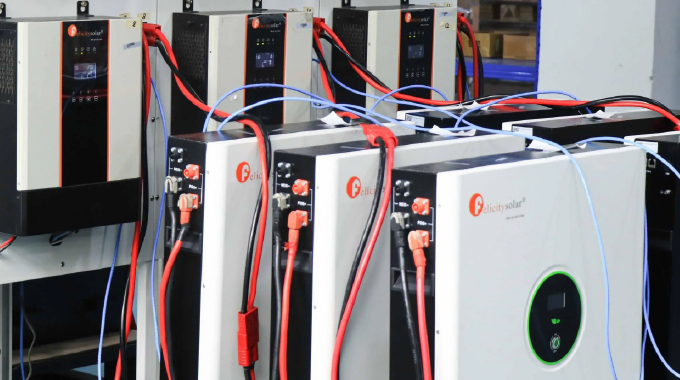
Mrs Moyo installed a 6.2kVA solar power system, which she funded using savings from her nursing job. Now, her fridge runs 24 hours daily and she can preserve food and keep her children’s schoolwork on track well into the evening.
“Solar is the best alternative. It powers everything from my fridge to my rice cooker and even my iron. There are no monthly bills, and all you need is sunlight,” Mrs Moyo says, adding that the solar system has significantly improved her quality of life and reduced her household’s reliance on expensive and polluting alternatives like gas and paraffin, which cost her over R2 000 a month.
For Mrs Kelebone Ndlovu, a poultry farmer in Mashaba, solar power has had a profound impact on her business and family life. Before transitioning to solar, Mrs Ndlovu struggled with the high cost of R800 gas for refrigeration. If the gas ran out, her chickens would spoil, leading to significant financial losses.
“Before solar, I could hardly raise US$400 for my children’s school fees. But now, I can sell all my frozen chickens and make up to US$800 for my two daughters’ school fees,” Mrs Ndlovu explained.
The shift to solar has allowed her to run her poultry business more efficiently, and the savings have directly contributed to her children’s education.
The United Nations Sustainable Development Goal (SDG 7) underscores the need for affordable and clean energy. In this regard, experts note that sustainable energy access improves women’s safety, economic opportunities, health and reduces time spent on manual tasks, while gender-inclusive energy policies ensure more effective and efficient energy transitions.
However, it’s important to note that while women like Mrs Moyo and Mrs Ndlovu are benefitting from solar power in their homes and businesses, men are also seeing the advantages.
Mr Mlamuleli Ncube, a farmer in Mashaba, relies on solar to protect his crops from elephants that often invade the area in search of food during droughts. Mr Ncube explains how the solar-powered torch has made it easier to keep watch over the Mankonkoni Irrigation Scheme, a lifeline for the community.
“Before, I had to use firewood to light up the fields, but it was time consuming and sometimes didn’t work. Now, with the solar-powered torch, I can see clearly at night and don’t need firewood,” Mr Ncube says. The solar torch has made a significant difference in his ability to protect vital resources.
The stories of these women and men highlight the critical link between climate change and the need for solar energy. As climate change disrupts rainfall patterns and increases the frequency of drought, rural communities in Zimbabwe are facing more severe challenges.
Agriculture, which many rural families depend on, is especially vulnerable to shifting weather patterns. Reliable energy is essential not just for lighting, but also for critical agricultural activities such as pumping water for irrigation, preserving food, and maintaining agricultural security. This includes ensuring stable food production, protecting against pests and diseases, and providing the resources needed to adapt to environmental and economic challenges, all of which are key to safeguarding livelihoods and promoting long-term food security.
While the benefits of solar power are clear, accessibility remains a significant issue. The high upfront costs of solar systems, especially the batteries that store solar power, make it difficult for many rural households to make the switch. As of 2024, 38 percent of Zimbabweans still lacked access to electricity, and many of those who do have access cannot afford to switch to solar.
According to the United Nations Development Programme (UNDP), sustainable energy transition, which involves moving away from fossil fuels to a system centred on renewable energy sources like solar, wind, hydropower and geothermal is critical in tackling the climate crisis.
Currently, fossil fuels provide 80 percent of global energy supply, releasing gases such as carbon dioxide and methane, which are contributing significantly to warming of the planet.
As part of their commitment to the sustainable energy transition, African leaders attending the second Africa Climate Summit held in Addis Ababa, Ethiopia, called for Africa’s share of global renewable energy investments to rise from a meagre two percent to at least 20 percent by 2030, a shift that would finally reflect the continent’s potential as a renewable energy powerhouse.
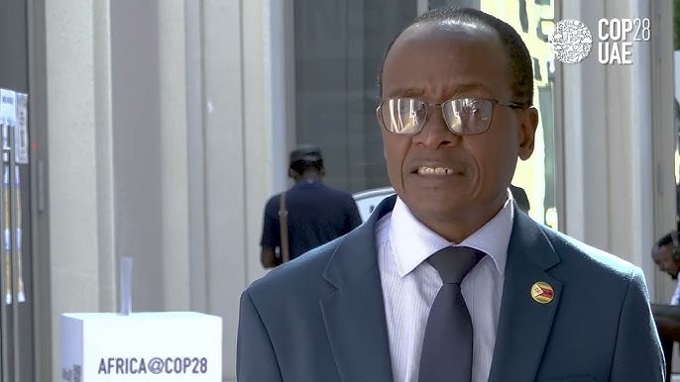
In Zimbabwe, the Government is taking steps to address this barrier to access. Mr Washington Zhakata, the Acting Permanent Secretary in the Ministry of Environment, Climate and Wildlife, notes that the Government is working to reduce the cost of solar systems, particularly lithium batteries, which are essential for solar power storage.
“Zimbabwe’s lithium reserves are a blessing for our energy future. Once the price of lithium batteries comes down, more households will afford solar energy, helping us transition from fossil fuels to renewable energy,” said Mr Zhakata.
The Government is also pushing for policy changes to make solar power more affordable. Mr Zhakata points out that policies like removing import duties on solar equipment and expanding rural electrification programmes are part of the country’s strategy to meet its climate commitments under the Paris Agreement.
“The Government is working to ensure that Zimbabwe reduces its carbon emissions and increases access to renewable energy,” he adds.
However, Mr Mattias Söderberg, Global Climate Lead at DanChurchAid, stresses that for the transition to solar to be truly “just”, it must be affordable for everyone.
“Solar power is a key element of the energy transition in Zimbabwe, but it needs to be accessible to all households, especially those in rural areas,” Mr Söderberg explains.
Public and African union (AU) officials emphasise that Agenda 2063 requires Africa’s energy systems to be based on clean, renewable sources for sustainable development, economic growth, and climate resilience, aiming for an Africa with modernised, decentralised energy access by 2063.
The AU calls for a people-centred Africa. This focuses on empowering women, youth, and ensuring freedom from disease and want – through two of its goals of achieving food security through modern agriculture; and developing critical infrastructure including transport, energy and information, communication technology (ICT).
The organisation also advocates for climate resilience which encompasses transitioning to clean energy to combat extreme weather and associated instability.
Achieving a fair energy transition in Zimbabwe will require continued collaboration between the government, civil society, and development partners. As Dr Selina Pasirayi from ActionAid Zimbabwe points out, the energy transition must be inclusive and protect vulnerable communities from exploitation. She warns that the growing demand for solar energy should not lead to land grabbing or environmental degradation, particularly in rural areas where communities have little say in the development of solar projects.
“Policies must be in place to ensure that communities benefit directly from the transition to solar energy. Zimbabwe must move away from exporting raw minerals and instead invest in domestic processing and value addition. This keeps value within the country, strengthens local industries, and ensures that corporate practices support broader national development objectives,” Dr Pasirayi said.
This story was produced with support from MESHA and the IDRC Eastern and Southern Africa office.