Online Reporter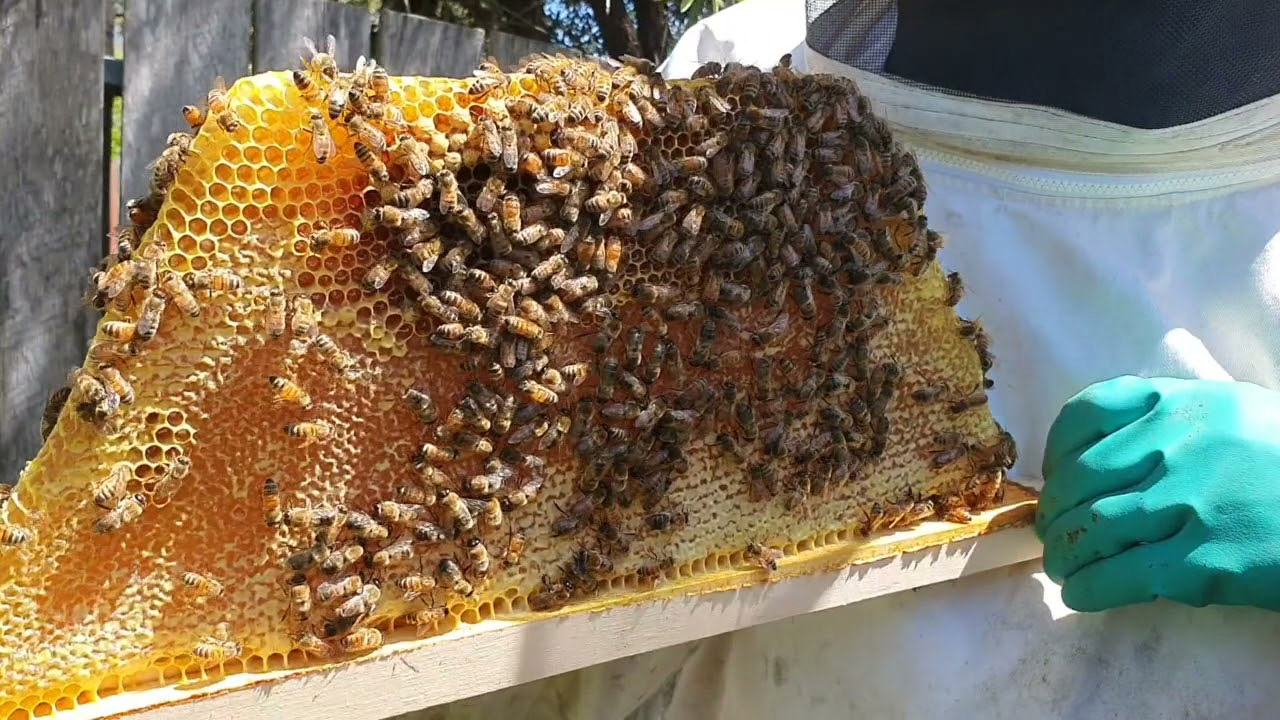
SMEs Corner
URBAN beekeeping is no longer a novelty in Zimbabwe.
With growing interest in natural foods and the global demand for honey outpacing supply, a small beekeeping venture can be both sustainable and profitable. But, as with any small business, the real question is: What does it cost to get started and what does it take to keep it running?
The basics are surprisingly accessible. A beginner needs at least two hives. A locally made Langstroth hive costs between US$70 and US$120.
Protective gear — a bee suit, gloves and smoker — adds another US$100 to US$150.Items like a hive tool and brush cost about US$20.
To harvest, an extractor is recommended, though many beginners rent or borrow one. A manual extractor costs roughly US$200. In total, a starter kit for two hives runs between US$300 and US$500.
Land is another consideration, though not in the way many assume. Bees need space, but not much of it. A small backyard or rooftop can work, as long as the hives are kept away from heavy foot traffic and there is access to gardens, nearby fields or flowering trees.
Beekeepers must register with the Department of Veterinary Services, which oversees bee health and disease control, at a cost of about US$10 per year. Once the hives are established, the maintenance costs are relatively low.
Bees feed themselves, though supplementary sugar syrup may be needed during dry spells — about US$5 to US$10 per hive monthly.
Annual equipment maintenance, including replacing worn frames or repairing boxes, might add US$20 to US$30 per hive. The potential returns are more enticing.
A single hive can yield 15 to 25 kilogrammes of honey per year in urban Harare, for example.
At current retail prices of US$5 to US$7 per kilogramme, two hives could generate US$150 to US$350 annually.
The wax, often overlooked, can be sold for candles or cosmetics, adding an extra revenue stream. Scaling up to 10 hives can turn a side hustle into a small, but meaningful income-generating venture.
Urban beekeeping, then, is not capital intensive, but it requires patience and knowledge.
Bees thrive when their keepers understand colony behaviour, pest management and safe harvesting techniques.
The cost of training programmes, often offered by non-governmental organisations or the Beekeepers Association of Zimbabwe, ranges from US$50 to US$100. These are essential for beginners.
For the country’s aspiring entrepreneurs, the math is clear. A modest upfront investment, careful management and a little courage to face the sting can create a business that is both profitable and environmentally restorative.