tawandamusarurwa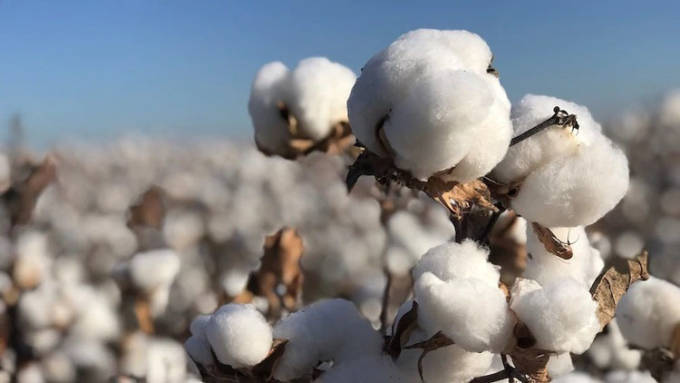
Word from the Market
Tapiwa Mutonda
Climate change is wreaking havoc across the globe. Developing countries, Zimbabwe included, whose economies rely on agriculture are feeling the pinch.
Climate change has had significant impacts on agriculture, affecting various aspects of crop production, livestock farming, and overall food security.
The changing climate patterns — including rising temperatures — have altered rainfall patterns, increased the frequency of extreme weather events, and changed pest and disease dynamics, posing both direct and indirect challenges to agricultural systems worldwide.
Zimbabwe is a known top cotton-producing country in Africa, joining Benin, Mali, Burkina Faso and Cote d’Ivoire, which account for about 50 percent of the continent’s production.
But climate change has altered the production patterns of white gold.
While cotton is a victim of climate change, it can also help in the mitigation and adaptation of the impacts of this phenomenon.
Over the years, seed cotton quality and quantity have declined, and this is attributed to climate change.
Zimbabwe recorded its lowest cotton output in 1992 (60 000 tonnes) and 2016 (29 000t) owing to a biting drought.
Highest output
In 2000, Zimbabwe recorded its highest cotton output of 353 000t.
Cotton quality has also been a victim of climate change.
Over the years, stakeholders have bemoaned falling standards of cotton seed quality, which can be attributed to poor rainfall, which led to the discolouration of fibre, leaf trash, weak or immature fibres, and insect stain due to inadequate application of chemicals.
For example, during the 2021/2022 marketing season, only 2 percent of the seed cotton was in grade A, followed by 4 percent in grade B, 25 percent in grade C and the rest in grade D.
One of the primary ways in which climate change affects cotton production is through changes in temperature.
Rising temperatures can have detrimental effects on crop growth and development.
Even though cotton is known to be a drought-resistant crop, higher temperatures can accelerate the rate of evaporation, leading to increased water stress for plants.
This can result in reduced yields and lower quality of seed cotton.
Changes in precipitation patterns also have significant implications for agriculture.
Climate change is causing shifts in rainfall patterns, as well as changes in the timing, intensity and distribution of rainfall.
Some regions may experience more frequent and intense rainfall, leading to soil erosion, flooding and nutrient leaching.
Moisture stress
Conversely, other areas may face prolonged periods of drought, resulting in crops succumbing to moisture stress.
Prolonged high temperatures and incessant rains have resulted in poor cotton quality and grades are negatively affected owing to the discolouration of fibres.
These changes in rainfall patterns also disrupt planting schedules, affect crop pollination by insects and increase the risk of crop diseases.
Due to climate change, it is now difficult for farmers to follow the cotton-producing calendar.
Furthermore, climate change influences pests and diseases that affect cotton plants.
Warmer temperatures can expand the geographic range of pests and diseases or alter their life cycles.
This can result in increased pest pressure and the emergence of new diseases, affecting crop yields and quality.
In some cases, farmers may need to adopt new pest management strategies or use more pesticides, which can have environmental and health implications.
In response to these challenges, farmers and agricultural communities are adopting various climate-smart practices.
These include implementing efficient irrigation techniques, adopting drought-tolerant crop varieties, practising agroforestry to enhance soil fertility and water retention, using precision agricultural technologies for optimal resource management, diversifying crops and livestock breeds, and improving post-harvest storage and processing methods.
Policy interventions at national and international levels are also crucial for supporting farmers in adapting to climate change through financial incentives, capacity-building programmes, and knowledge-sharing platforms.
Mitigation and adaptation measures should be oriented towards the integration of conversion to more natural production and land management practices that are less-dependent on carbon-based fuel.
This is why Government introduced climate-proofing agricultural practices such as Pfumvudza/Intwasa.
Government is also breeding high temperature-tolerant cultivars with a short cycle but a high yield.
These varieties are also resistant to pests, weeds and diseases as an essential part of a multi-level solution.
Temperature patterns
In conclusion, climate change has far-reaching effects on agriculture by altering the temperature patterns, precipitation regimes, increasing the frequency of extreme weather events, influencing pests and disease dynamics, and impacting livestock farming.
These changes have left a significant challenge to cotton production and overall agricultural sustainability.
Adapting to climate change and implementing climate-smart practices are essential for ensuring the resilience and long-term viability of agricultural systems in the face of a changing climate.
◆ Tapiwa Mutonda is an Agricultural Marketing Authority (AMA) cotton expert. Word From the Market is a column produced by AMA to promote market-driven production. Feedback: [email protected] or WhatsApp/Call +263781706212.



 Online Reporter