admin
admin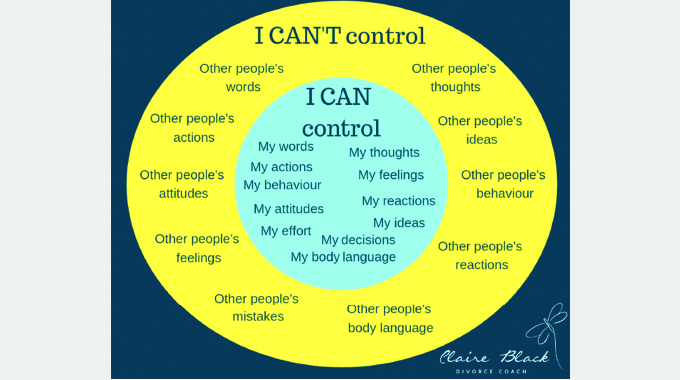
Disappointments like a lot of emotional challenges have brought about frustrations which may lead to suicidal ideation.
These also give birth to anxiety as well. Frustration and impatience are driven by anxiety and expectations.
Calming yourself begins with the awareness that you are indeed frustrated. Once aware, you can take steps to lower your emotional temperature.
Practice checking in with yourself regularly, noticing what is happening inside you and practice calming techniques.
Frustration and impatience
This cannot be as a result of railing at the car in front of you at the red light, not needing to know right now what your partner or boss found out about someone, not rushing when making dinner, having lunch with a friend, or eating your own lunch for one.
Like a lot of things in our lives, learning to handle frustration and learning to be more patient is about rewiring our brains. The good news is that rewiring our brains is doable, but it’s going to take practice.
Let me break it down into two parts:
PART A: FIRST AID
First aid is a two-step process when you’ve already reached your limit. When you sigh “I have had enough of this”.
Step 1: Be aware
If you want to change how you feel you need to change what you do, and the starting point is being aware that you’re getting frustrated, your impatience is ramping up, you have tunnel vision, and you’re physically feeling rushed.
What triggers all this is anxiety, and anxiety is usually about our worries: You need to get to work on time, the car in front of you is sitting at the light too long, and you worry you won’t make it; you haven’t heard back from your partner or boss, and so you don’t know how to plan out your day.
Or it’s about expectations
The driver should be considerate of other drivers, pay attention to the light, and not dawdle; your partner or boss should be responsible and get back to you right away.
Though your anxious brain is telling you this is about the other guy, and their failure to act, it’s not; it’s about you.
And when you become impatient with yourself, cooking dinner is taking too long, or you should have gotten that project out yesterday, again, it’s about worries and expectations, and, often, about some voice in your head shaking its finger at you to do better, be better.
Your critical brain is getting activated and worried that you will mess up.
Step 2: Slow down.
Once aware of what’s going on, you now have a choice, an opportunity to act differently.
Ideally, you want to act as quickly as possible to calm your anxious brain before it takes you down that rabbit hole and gets too hard to rein in.
This is where the rewiring of your brain starts. Your anxious brain is pushing you to get others or yourself to do something now, but you need to do your own pushing back and get your rational brain back online.
It’s time to take some deep breaths. Say to yourself that this is a first-world problem and not the end of the world.
Figure out the worst that can happen if you are a few minutes late, unsure of your schedules, or if the dinner isn’t made on time. Come up with a quick plan.
PART B: PRACTICE
You can practice these skills outside of those first-aid situations and, over time, rewire your brain to increase your frustration and impatience tolerance. Not easy though but practical in that you can’t change much by staying frustrated.
Step 1: Check in with yourself. Here, you check in with yourself every hour or so to gauge your emotional state: You’re waking up or coming home already irritable or rushed; you’re already worried about something.
By catching those bad moods early, you have time to act and calm yourself before you get triggered and automatically ramp up. You’re being proactive rather than reactive.
Step 2: Decide now what you can do to lower your emotional temperature. Once you notice your mood is going sour, take those deep breaths, focus on the song on the radio, text your boss about what you’re worried about, or simply let your partner know you’re already in a bad mood. And if there is something they can do to help, tell them.
Step 3: Practice stepping back and noticing what is happening when frustration and impatience sets in. By mentally stepping back and watching what is unfolding, you’re already getting out of that anxious mindset and into your rational brain; you’re removing yourself from the emotion.
By being curious about what is happening inside you, your thoughts and feelings you can not only push back, but simply observing will help you calm down.
Step 4: Practice all of the above. Don’t be too hard on yourself on unmet targets and lateness especially if it was beyond your control.
Relax there is always tomorrow to accomplish better targets.
For more information contact [email protected] or 0772224231



 Online Reporter