Online Reporter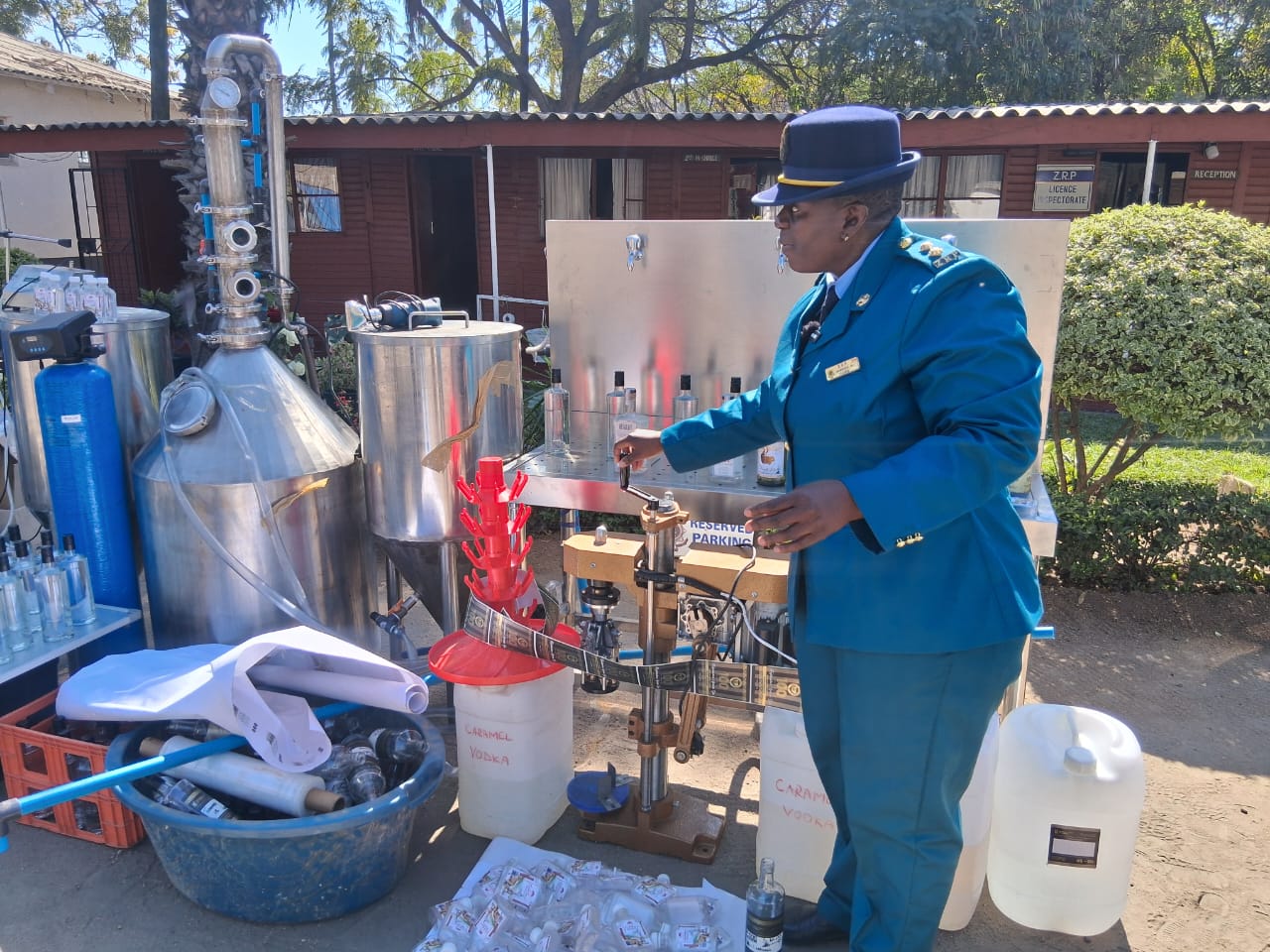
FIRST things first, a standing ovation to the Zimbabwe Republic Police.
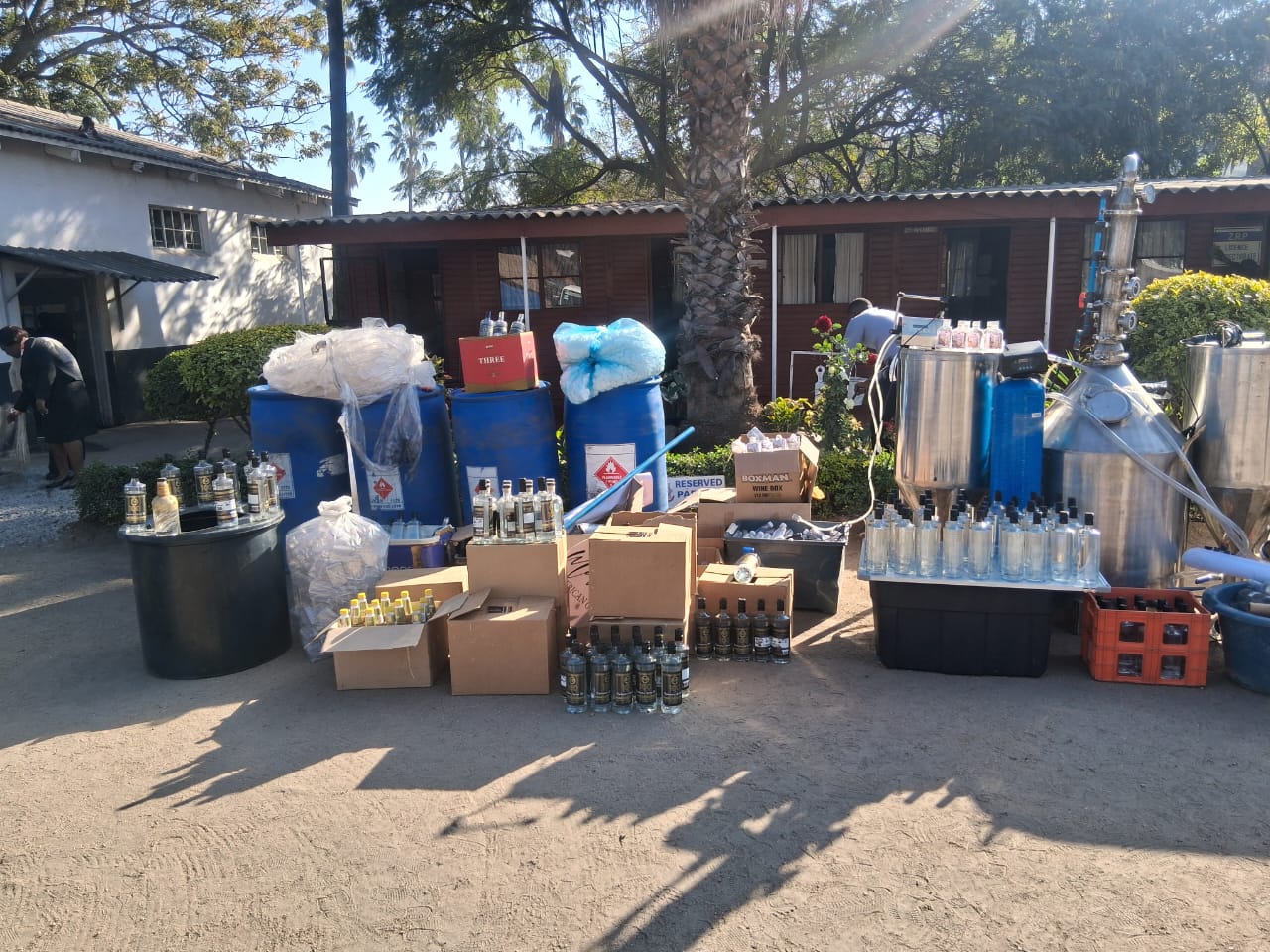
This week, police swooped on a Bulawayo flat and arrested two suspects allegedly linked to the manufacture of illicit alcohol.
Hundreds of bottles, drums of ethanol and brewing equipment were seized.
That is not just a police operation.
That is a rescue mission.
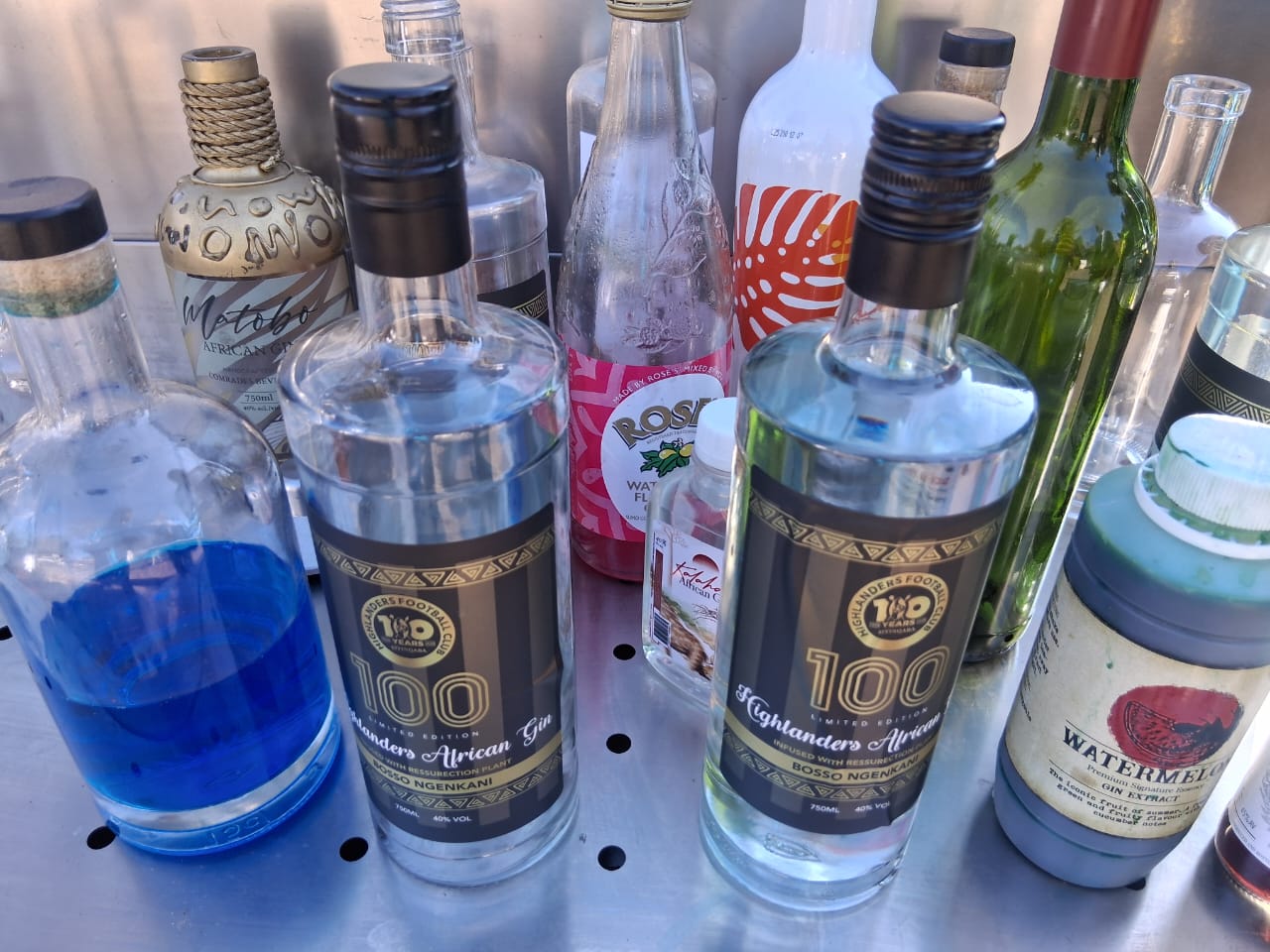
Every bottle of suspected njengu taken off the streets could represent a young life saved, a family spared heartbreak and a future protected.
For too long, shadowy characters have been getting rich while our children get sick. For too long, drug pushers and illicit brewers have been turning townships into graveyards of dreams. Njengu is not just cheap alcohol. It is a silent killer.
Nobody truly knows what is inside some of these concoctions. One day it is industrial ethanol. Another day it is dangerous chemicals mixed in filthy containers. The result is the same, damaged bodies, damaged minds and damaged futures.
Medical experts have repeatedly warned that illicit alcohol can cause liver failure, heart problems, blindness, memory
loss and severe mental health complications. Long-term abuse is also linked to hypertension, depression and permanent brain damage.
Walk through some of our suburbs and you will see the damage.
Young men and women who should be in classrooms, workshops, universities and workplaces are instead stumbling through the streets in a drunken haze. Some have abandoned school. Some have lost jobs. Others have turned to crime to feed their addiction.
The statistics paint a worrying picture.
A recent Afrobarometer survey found that 79 percent of Zimbabweans believe drug and substance abuse is widespread in their communities. More than half described the problem as “very widespread”.
The Government has declared drug and substance abuse a national disaster, while police have intensified operations across the country. More than 10 000 arrests linked to drugs and substance abuse were reportedly made during a national crackdown, with dozens of drug dens dismantled. Yet despite these efforts, the monster keeps growing.
What makes njengu particularly dangerous is that it is often marketed as a cheap escape from poverty and frustration. But there is no escape at the bottom of a bottle.
There is only addiction.
There is only sickness.
There is only regret.
Parents must know where their children spend their time. Communities must report illegal brewers and drug dealers.
Churches, schools and civic groups must continue educating young people about the dangers of substance abuse.
And to those who manufacture and sell these deadly brews, understand this: you are not entrepreneurs.
You are dealers in destruction.
This week’s arrests are a reminder that the law is watching.
One more suspected death dealer has been taken off the streets.
Many more still need to follow.
Because the fight against njengu is not about alcohol.
It is about saving a generation.