Online Reporter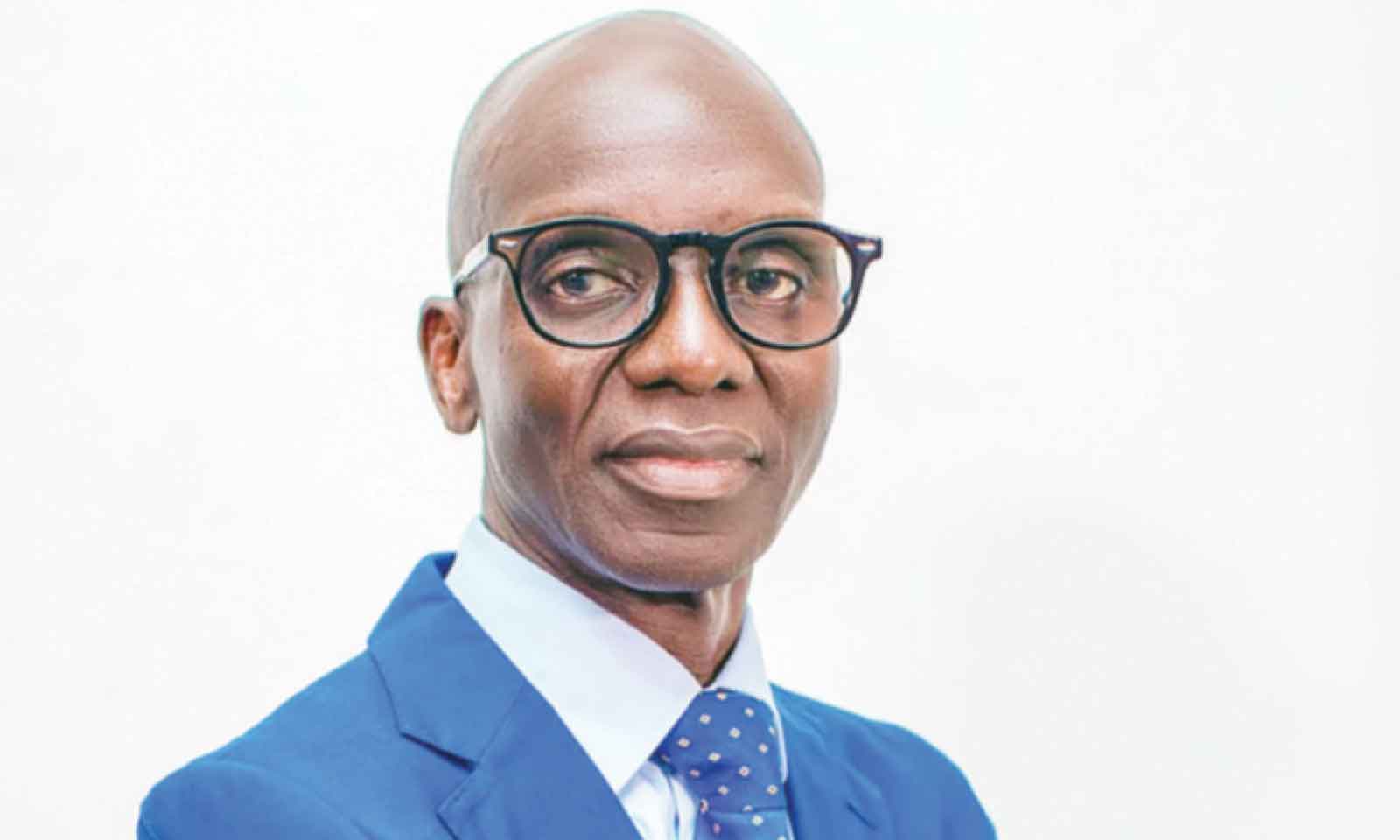
AFRICA has often found itself on the backfoot whenever there is an emergence of global pandemics and epidemics. This has led to discussions on how best the continent can be prepared for eventualities. Herald Reporter Wallace Ruzvidzo (WR) sat down with World Health Organisation director for Africa, Dr Mohamed Yakub Janabi, (MYJ) in Luanda, Angola on the sidelines of the recently held 7th African Union-European Union summit. The WHO director shared some useful insights on what could be done to bolster Africa’s preparedness.
WR: During the Covid-19 pandemic, most African countries struggled to contain the spread of this virus. Does Africa have the capacity to deal with new and emerging pandemics?
MYJ: Now, if I come to your question, does Africa have the capacity? Let me take you a little back. During Covid-19, Africa received less than 6 percent of the vaccines. While the northern globe people were getting their fourth booster dose, we were still struggling to get the first vaccine.
Africa is importing 85 percent of its pharmaceutical and diagnostics. We are importing literally 99 percent of the vaccines in our continent. We have seen the geopolitical tensions which are going on, the financial shift which has just happened beginning of this year. Now, when you talk of emergencies or outbreaks, last year Africa had 160 outbreaks ranging from natural disasters, floods, humanitarian crises, diseases. So, I don’t think it is a matter of longer waiting to have our own pharmaceutical products and vaccines. As I speak now, we have almost 120 outbreaks in Africa. At least 15 countries have active cholera.
We have the Sahel countries where Polio is going on. Actively, we have Covid in Democratic Republic of Congo (DRC), which we are going to declare soon. We just declared Marbug in Ethiopia, which we are fighting. Now, let’s come to your root question. Do we have the capacity? Yes, we do. Let’s talk of Ebola, which is in the DRC today, we have managed it.
We have managed to contain it in Bulape and Bulape is a five-day drive from Kinshasa. The same with Ethiopia currently, with Marbug. We are just going to complement otherwise, Ethiopia has the capacity to contain it. A few years back, we know what happened in Uganda. There was Ebola right in Kampala. The government contained it. So, we do have the capacity.
If we are building on manpower, if we are building on a resilient health system, what about the product? We are the most affected by most of the outbreaks so, we need to manufacture the products ourselves. If we work as a team, I think the market is there because if we are importing 85 percent of the product, it means we can consume it.
If we are importing 99 percent of the products, it means we can consume them. So, I think the political will is there. We just need to increase it.
If you can prevent these outbreaks, which normally start in the communities and they end up in communities, for every measure of prevention, for every US$1 you invest in prevention, it saves you US$10 in response.
WR: So, are you saying in this sense, as Africa, we can actually set up a centre for vaccine manufacturing? How practical is that? And is the WHO ready to work with the African countries to achieve that?
MYJ: Not that WHO is ready to work. We have already started to work. Africa has that capacity of producing, yes. I strongly believe that, especially if our heads of States, our member states, our ministers of health can sit down and unite. We must not work in silos. We don’t want a situation where we wake up one day and everybody’s producing paracetamol. If we all produce, then whom are we going to sell to? The WHO and other organisations such as CDC Africa and other UN agencies can assist with some technical expertise. This can be done in all regional economic blocks on the continent. I think we can achieve it. I strongly believe that.
WR: Can you shed light on these technical parts?
MYJ: Where are you going to get your API, which is Active Pharmaceutical Ingredient, which at the moment are produced outside of Africa. We look at which countries have advanced and South Africa is doing pretty good. Rwanda has started vaccine manufacturing. We don’t want to duplicate at the moment because of limited skills and manpower.
WR: What lessons has Africa learned from the Covid-19 pandemic regarding health system resilience and self-sufficiency?
MYJ: There’s a lot we learned during Covid-19 time about sovereignty, about self-sufficiency and building very resilient health care systems. Resilient healthcare systems which can respond at the same time, continue with the ordinary services, integrating most of the vertical, which used to be vertical programmes, TB, HIV, AIDS, malaria programme, integrate them in the primary health care and preparedness.
Now I would say we have cut our time of responding, for example you saw what happened in DRC. So I’m very optimistic. If we put our priorities right, if we continue to build our health workforce, if we continue to use innovative technology, we can reach out to remote parts using telemedicine or mobile health. Zimbabwe is a good example where telemedicine or mobile health or e-health is being used to reach out to people in remote areas.
WR: What preventive measures can be taken to address chronic diseases such as diabetes in Africa?
MYJ: Usually, I say when I meet our health ministers, I cannot wait for a day when our ministers of finance will be chasing the minister of health and why I’m saying that? If you have a healthy population, if you have healthy Zimbabweans, it means production will go up.
If production goes up, the economy will grow. To fight the diabetes among our people we have to change our lifestyles. You don’t have to spend a single cent. You just advise people to cut weight, to exercise, to eat properly, to avoid sugar stuff. Because the leading cause of amputation in Africa, in the world, is diabetes.
The leading cause of blindness is diabetes. The leading cause of erectile dysfunction is diabetes, the leading cause of kidney failure is diabetes. Many people end up on dialysis, which is very expensive. Kidney transplants are expensive too, because of diabetes. But you can prevent this thing by investing in primary health care. This is my argument.
WR: What funding strategies can African nations adopt to enhance their health systems?
MYJ: We should continue with domestic financing through taxation. We have encouraged countries to use taxation of tobacco, taxation on alcohol and taxation on sugar to raise funds. Governments should negotiate with countries in the north on debt for health swap.
Debt-for-health swaps are innovative financial deals where a country’s debt to a creditor is forgiven in exchange for the African nation investing equivalent funds into national health programs, tackling HIV, TB, malaria and or strengthening health systems. Facilitating such swaps can boost health financing and pandemic preparedness.