
Daniel Chigunwe
Herald Correspondent
ZIMBABWE requires strong partnerships with the diaspora community and international investors to accelerate infrastructure development.
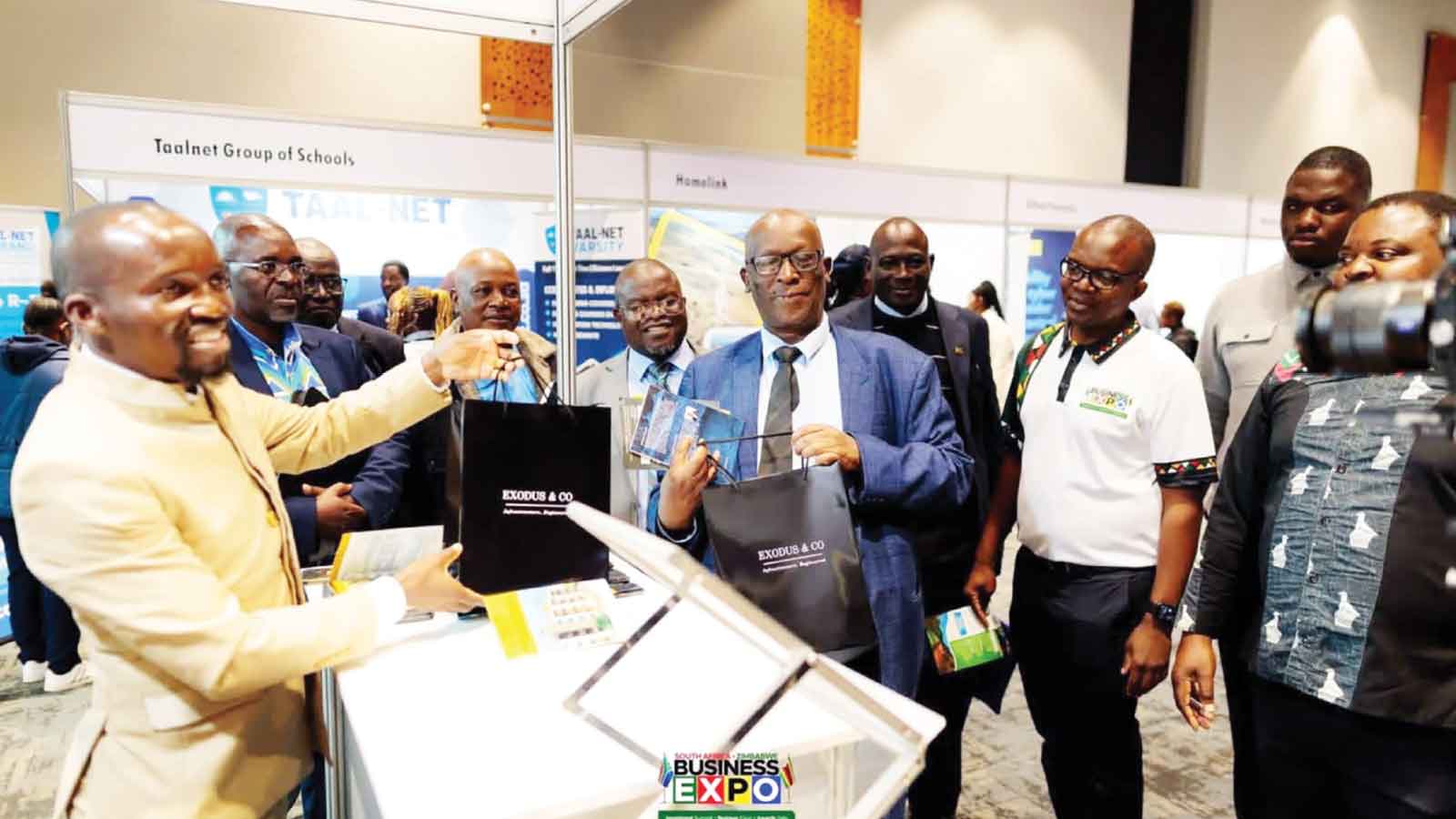
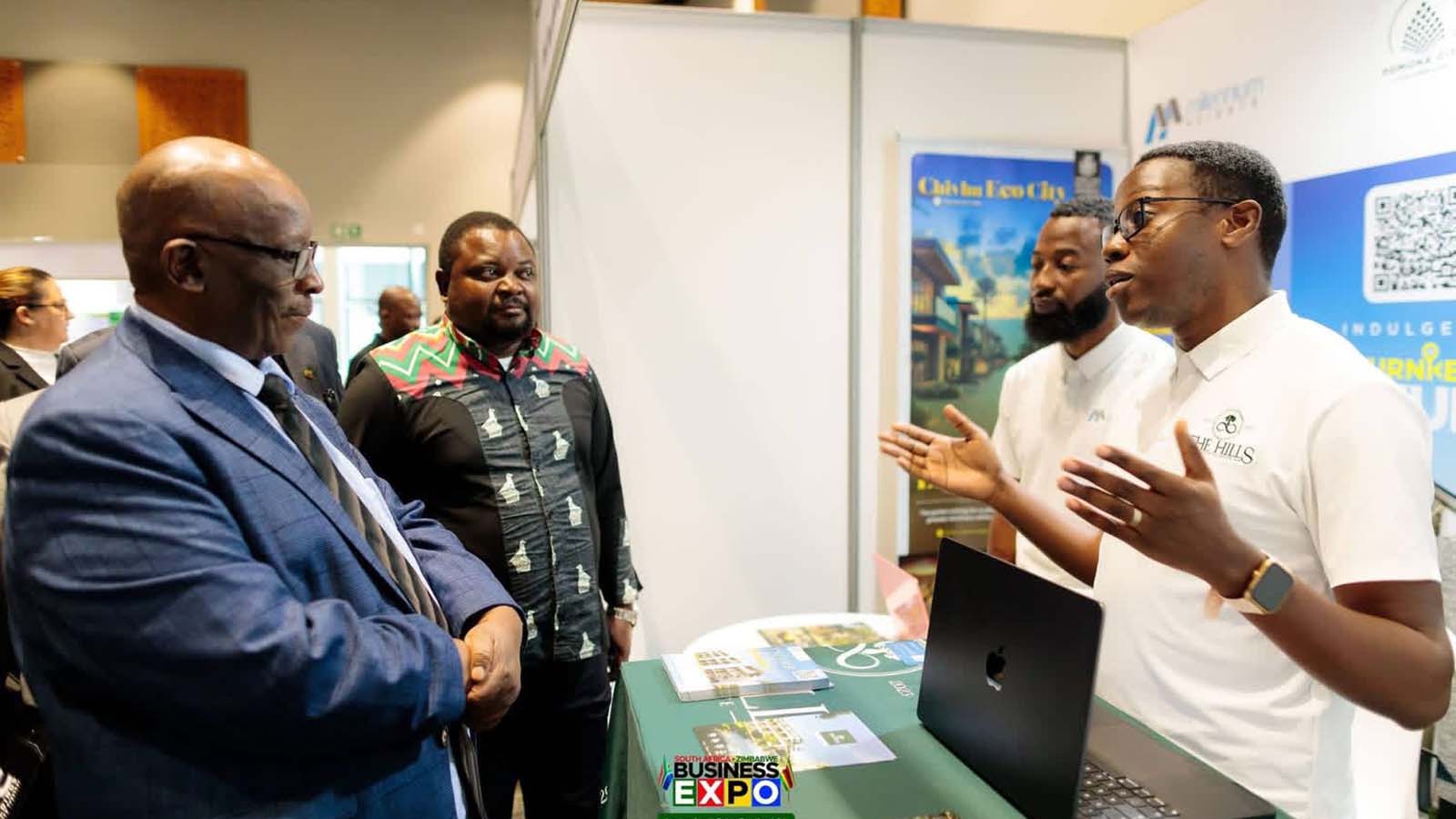
This was said by Deputy Chief Secretary for Policy Analysis, Coordination and Development Planning in the Office of the President and Cabinet, Dr Willard Manungo, at a two-day South Africa-Zimbabwe Business Expo in Johannesburg over the weekend.
He said the Government was creating an enabling investment environment under President Mnangagwa’s “Zimbabwe is Open for Business” policy framework to attract diaspora capital and strategic partnerships in support of Vision 2030.
“As we try to do our best in Zimbabwe in underwriting development challenges, we cannot do it alone,” he said.

“We need yourselves as partners in that journey.”
Dr Manungo said there were vast opportunities across sectors such as housing delivery, transport systems, tourism infrastructure, climate-smart investments and digital transformation.
Investors, he said, were not being asked to contribute as an act of charity, but had been offered sustainable returns through viable investment opportunities.
The diaspora community, he said, has evolved into an important force in transformative investment through structured investment vehicles, helping to channel resources into development projects across the country.
Government has, in recent years, intensified engagement with Zimbabweans abroad through investment forums, policy reforms and strategic partnerships aimed at harnessing global expertise and financial resources for national development.
President Mnangagwa and his deputies usually engage the diaspora when they go on foreign working visits.

Dr Manungo said opportunities existed in road construction, housing, rural industrialisation and tourism remain vast and require collaboration between the Government, investors, local authorities and development partners.
“Together, we can build a prosperous Zimbabwe through modernising our cities, industrialising our rural communities and empowering local authorities in transforming livelihoods,” he said.
Government officials attending the event said the Second Republic’s engagement and re-engagement policy continues to unlock new opportunities for both local and foreign investors.
Zimbabweans in Diaspora Organisation (ZIDO) chairperson Mr Blessed Kapesa said the expo was designed to strengthen investment promotion, trade partnerships and diaspora involvement in Zimbabwe’s economic growth.

ZIDO is working to connect Zimbabweans living abroad with investment opportunities back home by mobilising capital, skills and international business networks.
Mr Kapesa said diaspora investments are flowing into key sectors such as agriculture, mining, tourism, infrastructure and real estate, which are considered central to the country’s modernisation drive.
He added that Expo complemented the Vision 2030 agenda, which encourages trade, investment and partnerships anchored on active diaspora participation.
“Every year, we send US$2,7 billion officially and unofficially, the number could be much higher,” he said.
The remarks highlight the growing significance of Diaspora inflows, which have become a major source of foreign currency and household support while also injecting capital into productive sectors of the economy.
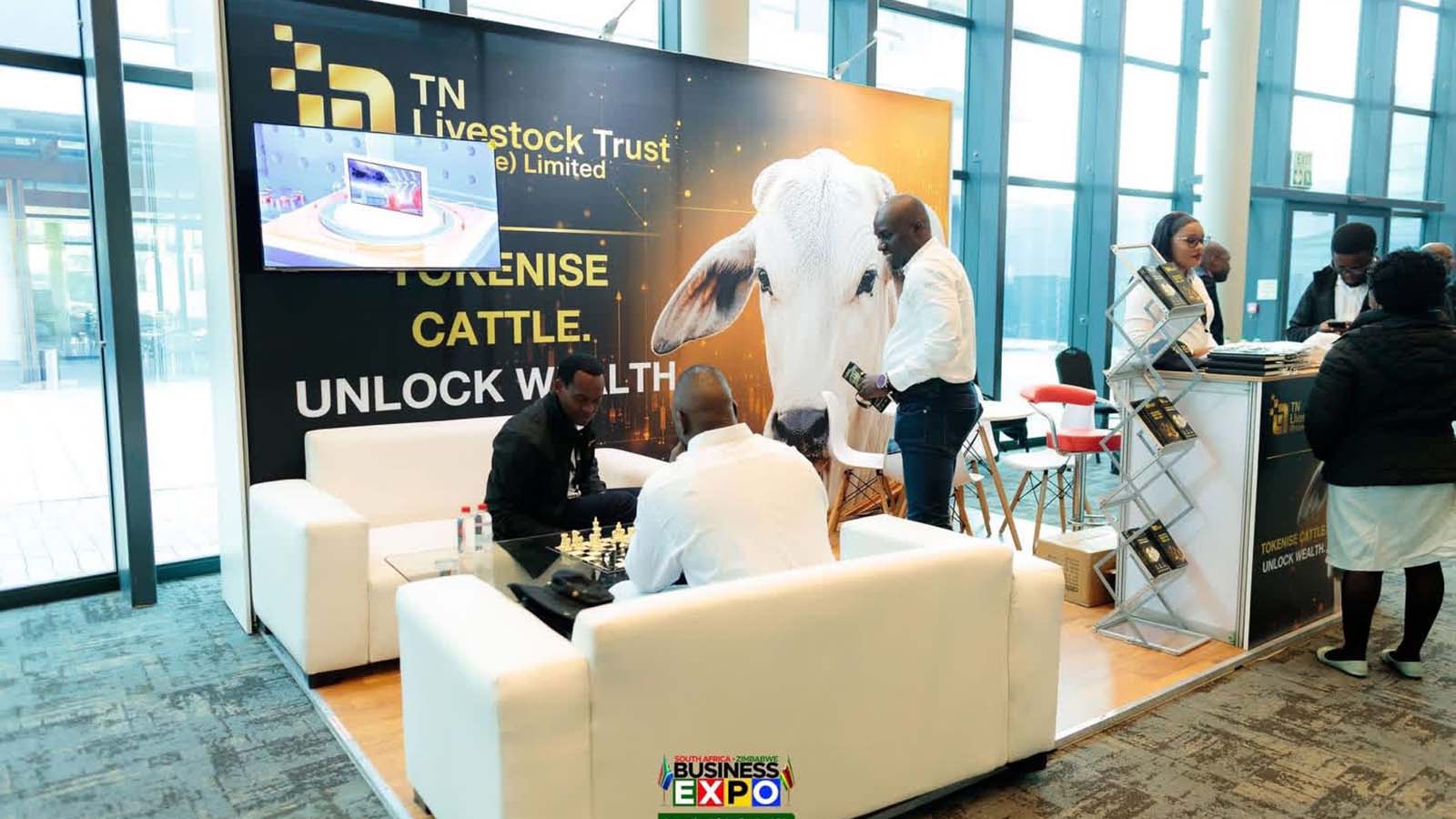
Now in its second edition, the South Africa-Zimbabwe Business Expo has become an important platform for fostering business linkages between Zimbabweans in the diaspora, international investors and local enterprises.
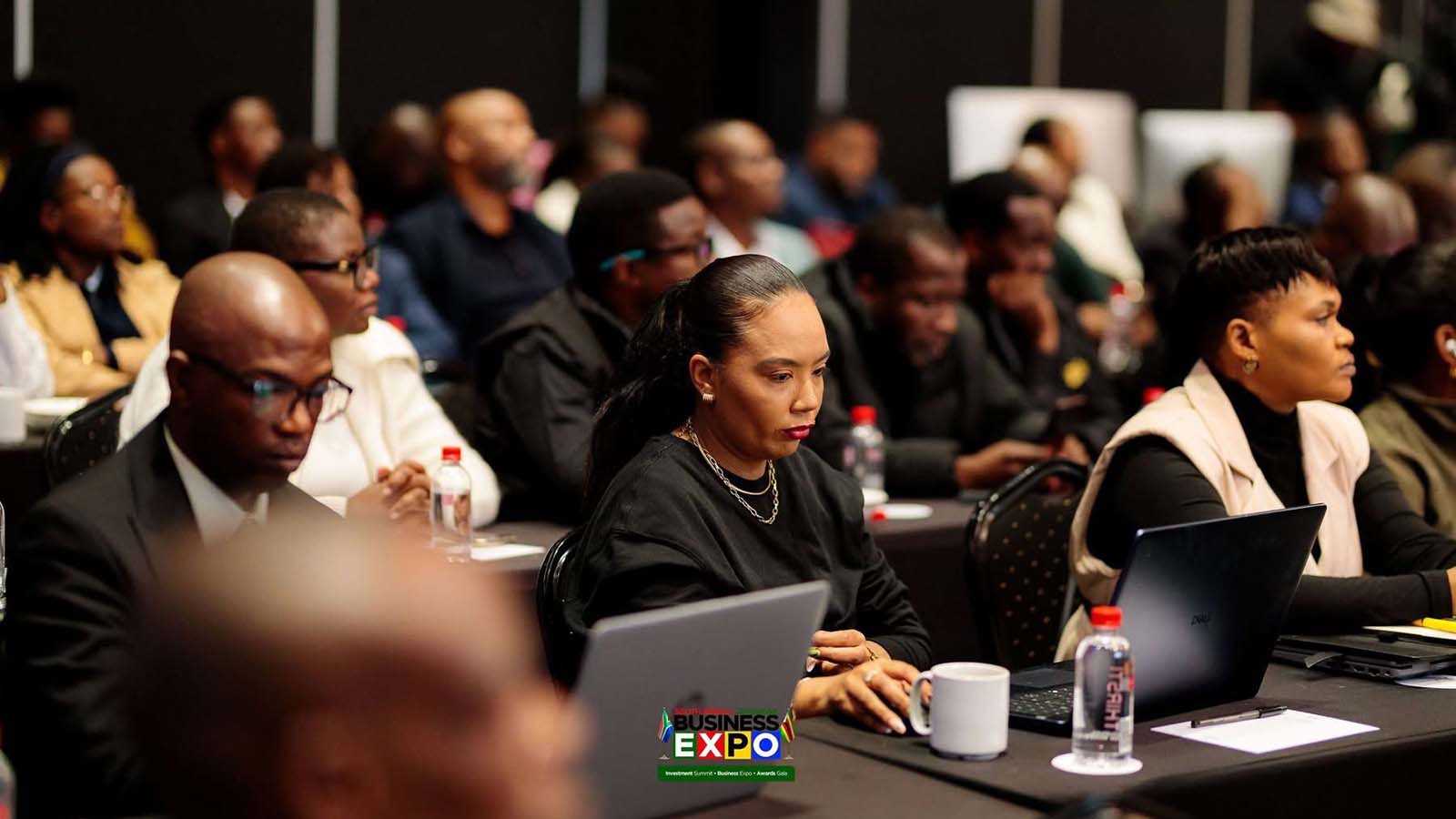
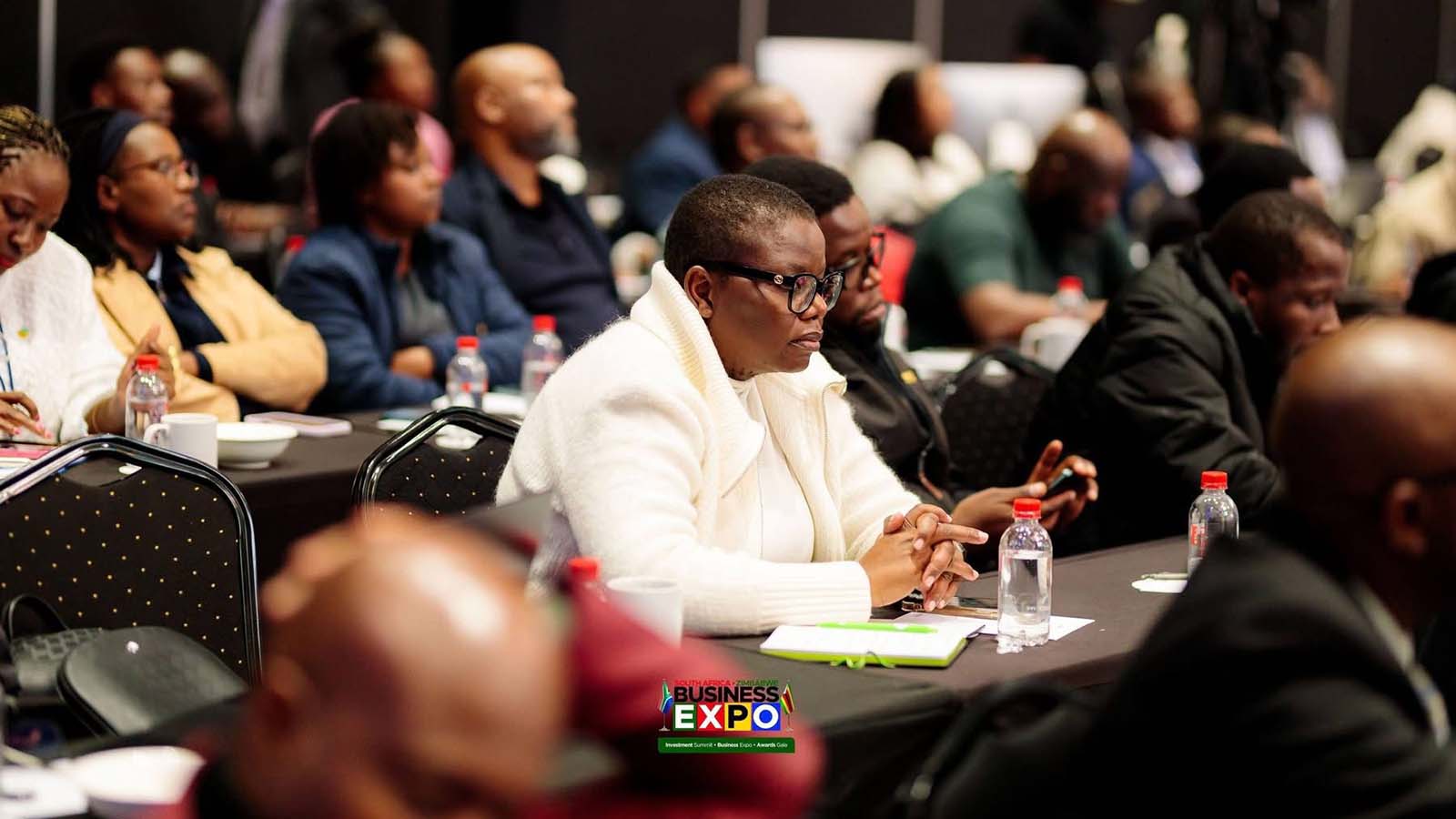
The expo also highlighted growing regional and continental recognition of Zimbabwe’s inclusive development model, which seeks to integrate the diaspora into mainstream economic planning and implementation.
For many participants, the gathering represented more than a networking platform, reflecting the emergence of a globally connected Zimbabwean business community increasingly committed to contributing towards national industrialisation and economic transformation.
As implementation of Vision 2030 gathers pace, diaspora-led investment is expected to become one of the key pillars supporting the country’s long-term economic resilience, infrastructure expansion and sustainable growth.