Online Reporter
Andrew Mangwarara
A HOUSE without a carpet feels incomplete until it is adorned with something that covers the cold, dry surface — and only a carpet does the job well.
In the same way, a garden is not complete without mulch, which offers many benefits.
Mulch is any material — organic or inorganic — that can be used to cover the soil surface. In summer, mulch helps retain moisture by shielding the soil from the sun’s rays.
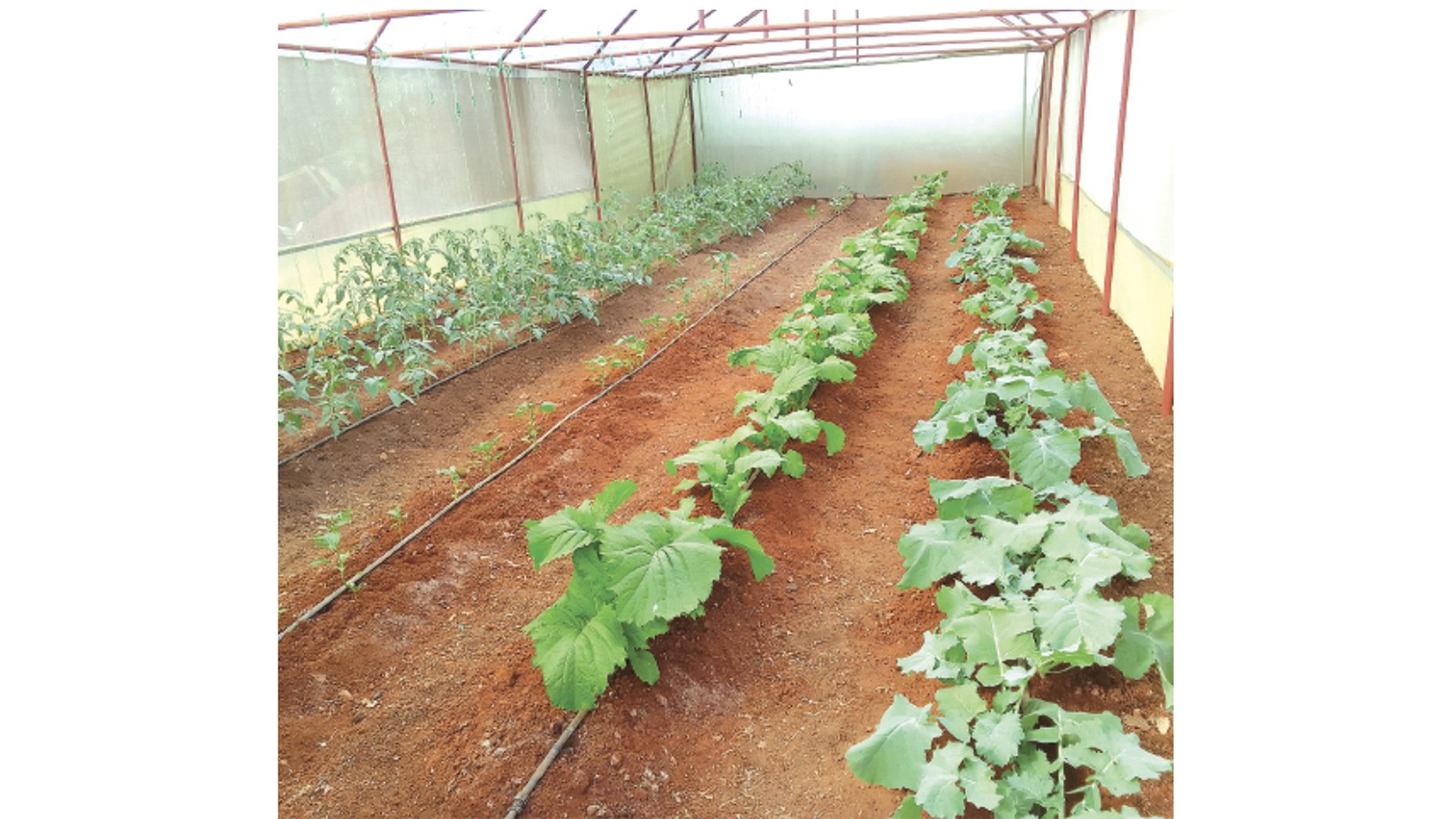
It suppresses weeds, adds organic matter to the soil, improves nutrition and prevents erosion. In winter, mulch retains warmth and protects plants from frostbite.
It also prevents water splashing from the ground onto leaves, which can spread fungal and bacterial infections.
By reducing soil-to-leaf contact, mulch helps keep plants healthier.
Mulch creates a favourable microclimate for soil microbes, which in turn improve soil structure and fertility.
Certain plants, such as tomatoes and watermelons, benefit greatly from mulch.
It keeps them clean for harvest while reducing the risk of diseases.
A well-mulched garden also looks attractive, giving the landscape a uniform appearance.
However, too thick a layer can suffocate plants, so moderation is key.
Avoid piling mulch against tree trunks, as this can cause damage.
Be cautious with dry mulches near buildings since they pose a fire risk.
When choosing mulch, organic materials like grass clippings are often more beneficial than synthetic options, as they enrich the soil.
Artificial materials such as black plastic or fabric coverings do not add nutrition and are mainly useful in colder climates.
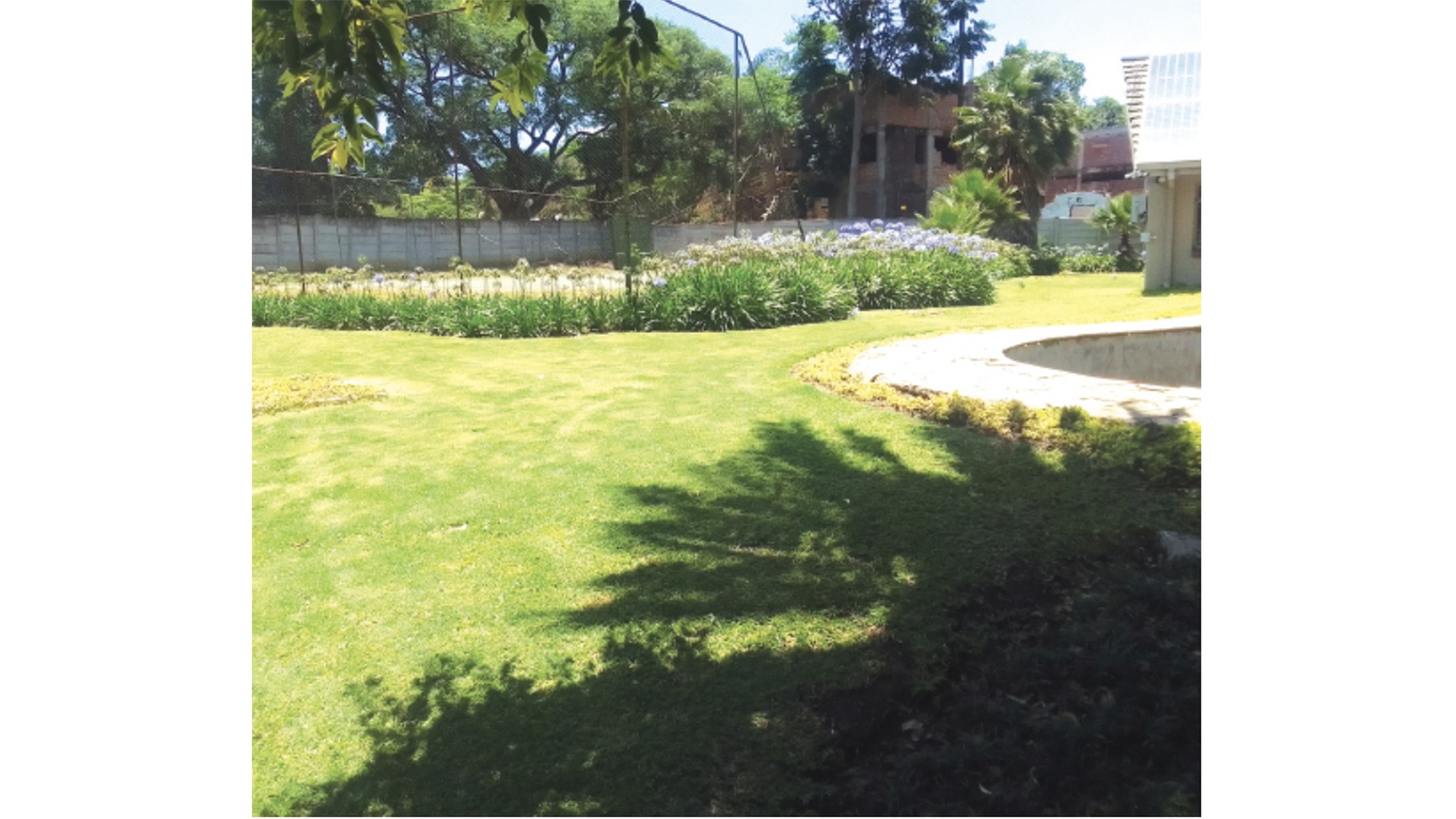
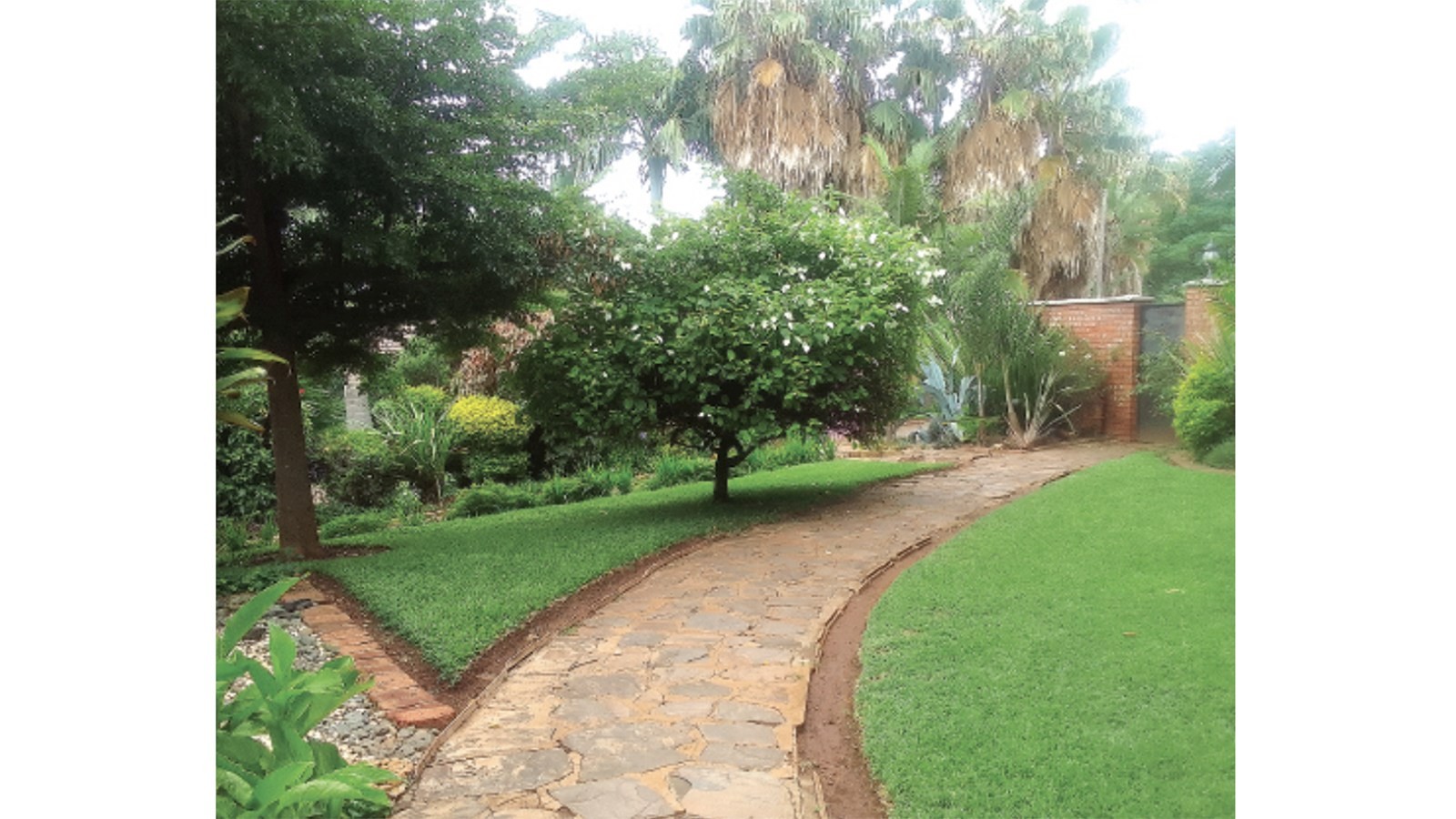
Finally, if you prefer not to use mulch, you can opt for a green lawn or ground covers, which provide a more vibrant and attractive alternative to a “dead carpet” of bare soil.
If you would like to be featured in our green-up campaign, contact us on: [email protected] or [email protected]