admin
admin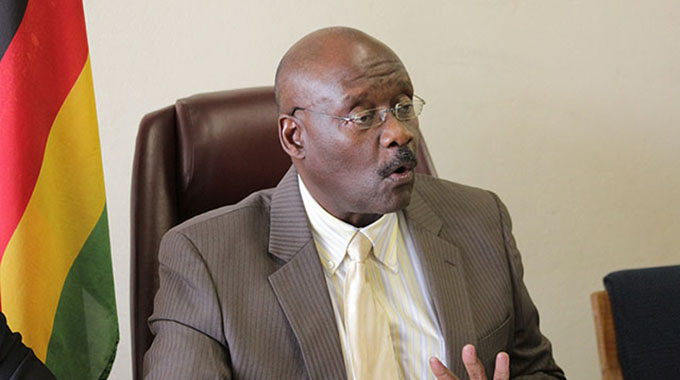
Ivan Zhakata
Herald Correspondent
Drug and substance abuse among the youths poses a significant threat to achieving Sustainable Development Goal 3, an official has said.
SDG3 promotes good health and well-being.
Dr David Parirenyatwa, who is the president of the Society for AIDS in Africa said this at the National Students Conference that was organised by SAYWHAT.
He said there is an urgent need for collaborative efforts to tackle the growing crisis.
The conference, themed “Students Thriving and Achieving Results (STARS): Transforming Health and Education Outcomes,” brought together stakeholders to address the intersection of health and education challenges.
“Our experience convening ICASA has demonstrated the power of conferences in shaping policy and programming discourse,” Dr Parirenyatwa said.
“The outcomes of this conference must be implemented collectively by policymakers, donors, institutions, and young people themselves.”
Dr Parirenyatwa lauded the conference for empowering students to lead change, calling them “stars” for their proactive role in transforming health and education outcomes.
Government representatives echoed similar concerns and highlighted ongoing initiatives to combat drug abuse.
Mr Osward Mudhunguyo, deputy director of Youth Empowerment in the Ministry of Youth Empowerment, Development and Vocational Training said the Government has adopted a multi-faceted approach, including public awareness campaigns and enhanced access to treatment services.
“Our strategies are informed by young people and are regularly updated to adapt to emerging trends,” Mr Mudhunguyo said.
“We aim to reach every corner of the nation with the message of prevention while providing support for those battling addiction.”
SAYWHAT executive director Mr Jimmy Wilford emphasised the organisation’s role in improving students’ health and education outcomes.
He highlighted their peer education programmes, which train students to become health ambassadors within their communities.
“Peer educators play a crucial role in spreading accurate information and fostering a culture of health and well-being,” Mr Wilford said.
“We also prioritise advocacy and research to ensure that youth voices are reflected in policy decisions.”
Dr Darlington Damba, director of Tertiary Education in the Ministry of Higher and Tertiary Education underscored the importance of research in addressing these challenges.
“Research drives innovation and helps craft evidence-based policies,” he said. “We commend SAYWHAT’s efforts in empowering young researchers to tackle issues like sexual health and substance abuse.”
The conference concluded with a call for actionable solutions to address the root causes of substance abuse and improve the overall well-being of young people, underscoring the need for collaboration across all sectors.



 Online Reporter