Online Reporter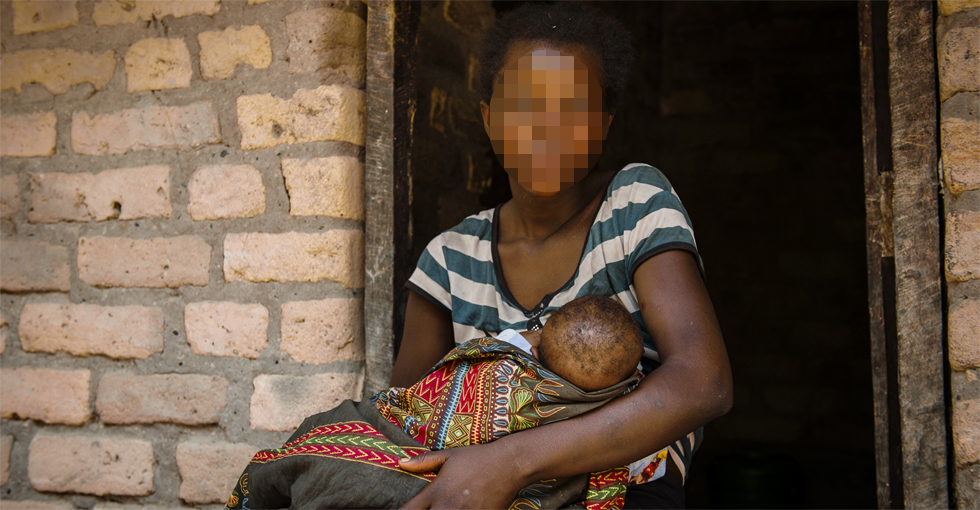
THE recent collaboration between Zimbabwe and Mozambique to combat child marriages is a beacon of hope for the future of children in both countries.
Child marriage is a pervasive and destructive practice that has far-reaching consequences for individuals, communities, and societies as a whole.
The impact of child marriage is multifaceted, affecting, not only the child bride, but also her family, community, and future generations.
One of the most significant consequences of child marriage is the truncation of education.
When a girl is forced into marriage at a young age, she is often withdrawn from school, depriving her of the opportunity to acquire knowledge, skills, and confidence.
This, not only limits her personal growth, but also reduces her economic prospects, perpetuating a cycle of poverty.
Child marriage also poses significant health risks. Girls who become pregnant at a young age are more likely to experience complications during childbirth, including obstetric fistula, a debilitating and often devastating condition.
Moreover, child brides are more vulnerable to HIV and Aids and other sexually transmitted infections, as they often lack the knowledge, skills, and power to negotiate safe sex practices.
Beyond the physical and emotional toll, child marriage also has profound psychological consequences.
Child brides are often subjected to emotional abuse, isolation, and loneliness, which can lead to depression, anxiety, and other mental health problems.
The trauma of being forced into marriage can also have long-lasting effects, impacting a girl’s self-esteem, confidence, and ability to form healthy relationships.
Furthermore, child marriage perpetuates a cycle of inequality and discrimination.
When girls are denied the opportunity to pursue their dreams, aspirations, and potential, societies as a whole are deprived of their contributions, creativity, and talents.
This, not only limits economic growth and development, but also perpetuates social injustice and inequality.
In addition to the individual consequences, child marriage also has broader societal implications.
It can perpetuate cycles of poverty, inequality, and social instability, undermining efforts to achieve sustainable development and human rights.
Ultimately, child marriage is a violation of human rights, and it is our collective responsibility to challenge and eliminate this practice.
By working together to address the root causes of child marriage, including poverty, inequality, and social norms, we can create a world where every girl has the opportunity to thrive, grow, and reach her full potential.
Also by working together, Zimbabwe and Mozambique can share best practices, leverage resources, and amplify their impact.
This partnership will help to strengthen laws, policies, and community-based initiatives that protect children from forced marriages.
The benefits of this collaboration extend beyond borders.
By reducing child marriages, both countries can promote girls’ education, empower women, and foster economic growth.
Moreover, this joint effort will help to shift societal attitudes, challenging harmful traditions and promoting a culture of respect for children’s rights.
We commend the governments of Zimbabwe and Mozambique for recognising the urgency of this issue and taking bold action.
As they move forward, we encourage them to engage with local communities, civil society organisations, and traditional leaders to ensure the success of this initiative.
Together, Zimbabwe and Mozambique can create a brighter future for their children, one that is free from the shackles of child marriages.
This partnership serves as a shining example of what can be achieved when nations work together towards a common goal – the protection and empowerment of children.