Moffat Mungazi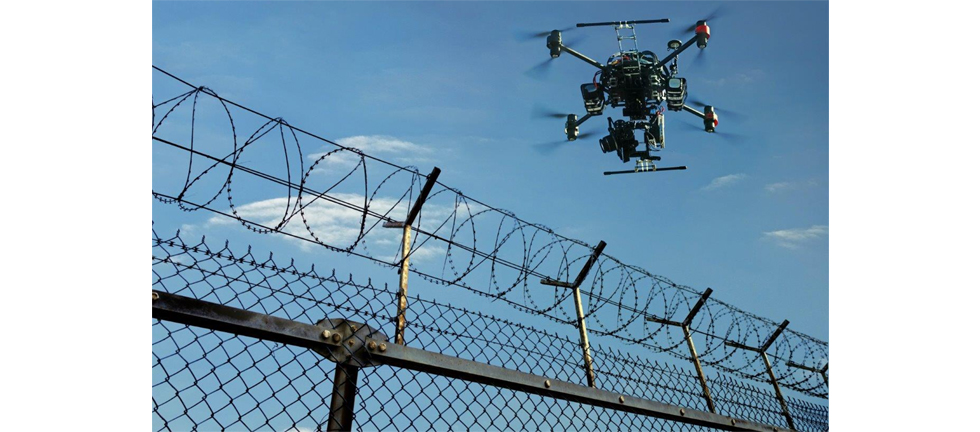
THE Zimbabwe-Mozambique border has long been a region of concern when it comes to smuggling activities.
The porous nature of the border from Fombe in Nyanga to Mahenye in Chipinge, coupled with the challenging terrain, has created an environment conducive to illicit activities.
Smuggling along this border has become a rampant issue, with various goods being trafficked, including contraband of second hand clothing, illicit drugs, and stolen livestock and goods.
The lack of effective border control measures has enabled smugglers to operate with relative impunity, taking advantage of the border’s vulnerabilities.
This has resulted in significant revenue losses for both countries, as well as potential risks to public health and safety.
The smuggling of illicit drugs poses a significant threat to public health, as it can lead to the spread of addiction and other related problems.
The involvement of organised crime groups in these activities further exacerbates the issue, making it challenging for law enforcement agencies to combat.
The smuggling of goods such as second-hand clothes, electronics, and other contraband has become a lucrative business, with smugglers often using various tactics to evade detection.
This has led to a thriving black market, where these goods are sold at flea markets, street corners and residential areas without adhering to customs regulations or paying the required duties.
To effectively address the issue of smuggling along the Zimbabwe-Mozambique border, a multi-faceted approach is required.
This includes enhancing border security measures, improving cooperation between law enforcement agencies, and implementing strategies to address the root causes of smuggling.
By working together, both countries can reduce the prevalence of smuggling and mitigate its negative impacts.
We want to applaud the Government through its border agencies for introducing drone technology to assist in border patrols and surveillances, as the persistent challenge of smuggling goods and illicit drugs into the country demands innovative solutions.
Drones equipped with advanced sensors and cameras can significantly enhance surveillance capabilities, enabling authorities to detect and respond to smuggling activities more efficiently.
By deploying drones along the borders, security agencies can cover vast territories, track suspicious movements, and identify potential smuggling routes.
This proactive approach can help prevent the transportation of contraband, including illicit drugs, and reduce the associated risks to public health and safety.
Drones can operate in challenging terrain and weather conditions, providing real-time intelligence and situational awareness.
This enables border patrol agents to make informed decisions, allocate resources effectively, and respond swiftly to emerging threats.
The integration of drone technology into border security operations can also serve as a deterrent, making it more difficult for smugglers to operate undetected.
As the threat landscape continues to evolve, embracing innovative solutions like drone technology is crucial for staying ahead of smugglers and protecting the country’s interests.
Incorporating drones into border patrols is a strategic move that can significantly enhance the country’s ability to combat smuggling and protect its borders.
By harnessing the power of technology, authorities can improve surveillance, response times, and overall effectiveness in the fight against smuggling.


 Online Reporter