Online Reporter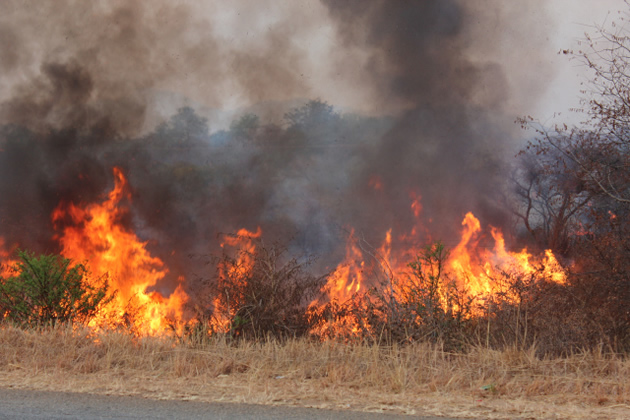
WE are now in the middle of the fire season, and veld fires pose a significant and escalating threat to Manicaland’s environment, economy, and communities.
These uncontrolled blazes sweep through grasslands, forests, and agricultural areas, leaving destruction in their wake.
The toll of veld fires is multifaceted: they ravage biodiversity, destroy grazing lands critical for livestock, compromise wildlife habitats, and exacerbate soil erosion.
In a country like Zimbabwe where agriculture and natural resources are pillars of livelihoods, the impact of these fires is deeply felt.
The causes of veld fires are often linked to human activities – whether accidental, negligent, or deliberate.
Agricultural burning, careless disposal of cigarettes, and intentional acts of arson contribute to outbreaks that quickly spiral out of control, especially under Manicaland’s dry, windy conditions characteristic of this season.
Communities, farmers, and wildlife alike suffer the consequences, with losses extending to property, crops, and sometimes human life.
One of the most immediate and visible impacts of veld fires is the destruction of property.
Homes, often constructed from thatch or other flammable materials typical in rural settings, can fall prey to fast-moving flames.
Livestock pens, storage structures for crops, and community infrastructure like schools or clinics are not immune to the ravages of these fires.
In a heartbeat, hard-earned assets vanish, plunging families into hardship. Rebuilding is a costly, labourious process that many communities, already stretched thin, find daunting.
Beyond tangible assets, veld fires imperil human life itself. Flames racing through dry landscapes can trap unwary individuals – farmers caught in fields, children playing in grassy areas, or travellers overtaken on veld paths. Respiratory distress from thick smoke adds another peril, affecting, not just those directly in fire paths, but nearby populations breathing acrid air. Firefighters, often local volunteers facing equipment shortages, risk much in containment battles.
Fatalities, tragically, are not unheard of, leaving rief-stricken families and truncated communities.
Psychological scars should not be discounted.
Anxiety lingers in communities recurrently battered by fires; the trauma of loss – of homes, livelihoods, loved ones – etches deep.
Social fabric frays as coping capacities are exceeded; migration for work, distress sales of assets, and food aid dependency can follow destructive fires, unsettling communal balances.
Curbing veld fires demands a robust approach combining prevention, education, and stringent enforcement.
Awareness campaigns targeting rural and urban populations alike can underscore the dangers and promote responsible behaviour.
Training communities in fire management and preparedness is pivotal – empowering local people to protect their environments and respond effectively when fires erupt.
Critically, there is a pressing need for punitive laws that deter offenders. Existing regulations may prove insufficient or poorly enforced; thus, lawmakers must consider crafting and implementing measures that impose meaningful consequences on those found guilty of causing veld fires through negligence or intent.
Fines, community service tied to environmental restoration, and other penalties could underscore society’s stance against such destructive acts.
Enforcement agencies need adequate resources to investigate incidents, identify culprits, and ensure justice is served.
A call for collaboration resounds – Government, development partners, traditional leaders, and citizens must unite against this menace.
Environmental protection intertwines with economic survival and communal well-being in Manicaland; unchecked veld fires undermine these intertwined interests.
By tightening legal frameworks, boosting public awareness, incentivising prevention, and backing these efforts with determined enforcement, the country can mitigate the ravages of veld fires.
Communities stand to gain from safeguarded ecosystems, preserved agricultural lands, and protected wildlife – outcomes that buttress livelihoods and food security.
The time is ripe for concerted action against veld fires: prevention, tough laws, and communal vigilance can together chart a path to a safer, more resilient Manicaland landscape.