


 Online Reporter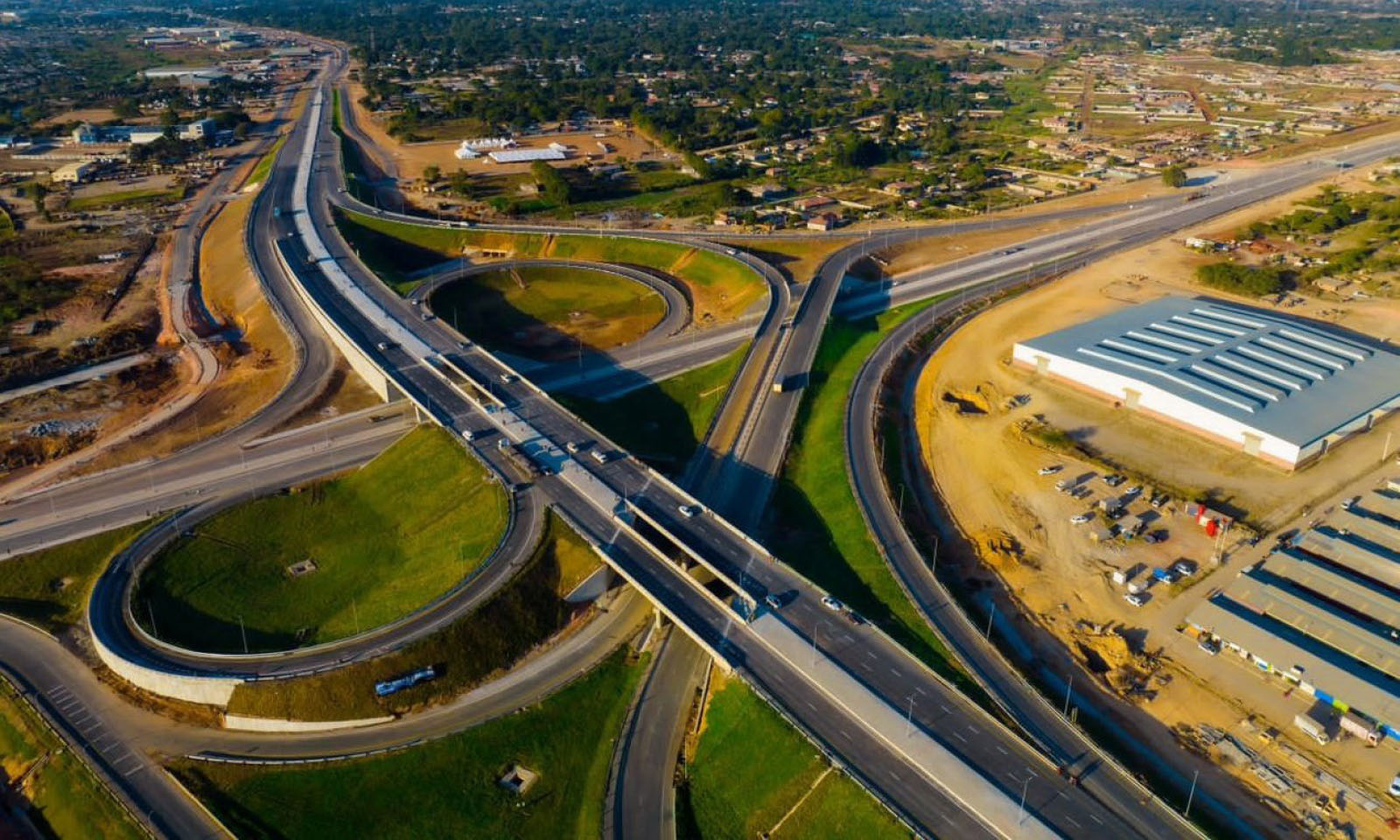
VANDALS seem to be hard at work.
As the Government assiduously works to cover the decades-old infrastructure gap, which was worsened by more than two decades of sanctions, vandals seem to be investing more or less the same effort to undo all this transformative work.
New or rehabilitated infrastructure comes with a hefty and staggering price tag, especially for a country that is already grappling with coercive measures from the West, which have had the adverse effect of forcing international financial institutions such as the World Bank to turn off the spigots.
Last year, power utility Zimbabwe Electricity Supply Authority (Zesa) reported it had lost critical infrastructure worth US$24 million in the five-year period from 2019.
What was equally worrying and disturbing was the rising trend in the vandalism and theft of copper and aluminium conductors, cables, transformer oil, pylons and transformers.
Streetlights, especially the ones that use solar power, and traffic lights are also being targeted.
Even the brand-new lights at the Trabablas Interchange have not been spared.
This is both shameful and tragic.
We urgently need to rescue ourselves from this alarming scourge of vandalism.
The deliberate damage and theft of vital public infrastructure is not merely a crime against property; it is a direct assault on our collective safety, economic well-being and the very future we are striving to build.
The absence of functional streetlights and traffic signals has tangible and dire consequences.
It creates shadows where criminals find safe harbour, leading to an increase in crime and a pervasive sense of fear that dictates when citizens can travel and businesses can operate.
The City of Harare itself has acknowledged that a new smart lighting system is crucial for making neighborhoods safe and promoting opportunities for businesses to operate for longer hours.
Beyond immediate safety, the economic toll is staggering.
Globally, cities spend billions on graffiti cleanup and infrastructure repair.
For Zimbabwe, every stolen cable or shattered light is a drain on our limited public coffers — funds that could otherwise be channelled to more hospitals, schools or social services.
Try as it might to come up with ingenious tech-savvy responses and interventions, like replacing coveted copper cables with less valuable aluminium alternatives, technology alone cannot save us if the civic conscience remains dormant.
This mindset that infrastructure is a national lifeline is one we must urgently adopt.
But we are not alone in this struggle.
Nations worldwide recognise that critical infrastructure — the physical and digital assets essential to national and economic security — must be fiercely protected.
Research on combatting graffiti vandalism highlights that effective policy must be integrated, involving not just law enforcement but also educational, legislative and community sectors.
So, comprehensively dealing with emerging threats to the vital infrastructure we are building — essentially the scaffolding of the future we want and deserve — should necessarily involve a whole-of-society approach.
The Government, therefore, should deploy the full arsenal of available technologies and enforce stringent legal consequences for vandals.
However, the final, most crucial layer of defence is us — the citizenry.
Protecting public infrastructure is a profound civic duty.
It means reporting suspicious activity around streetlight poles or substations.
It means educating our youth that stripping cables may seem like a quick gain but ultimately plunges their own communities into darkness and poverty.
It means fostering a national ethos where we view every streetlight, every traffic signal and every piece of public property as belonging to us — because it does.
In essence, public awareness is a key element in critical infrastructure security.
The stability and well-being of our nation depends on these essential services.
Through the impressive new infrastructure that is being built by the Second Republic, which has had to prudentially manage the little available resources, Zimbabwe is confidently marching into the future.
We simply cannot allow the selfish acts of a few to undo all this great work and milestones.
Let us stand as guardians of this progress, embracing both the technology that secures it and the civic responsibility that defines us.
Let us work together — the Government, the private sector and every citizen — to ensure that the light of modernisation continues to shine brightly over Zimbabwe, illuminating a path of prosperity and security for all.
As we pursue the national vision to establish an empowered, modern and prosperous society by 2030, we cannot afford to make one step forward and two steps backwards.




We can preach all we want but as long as firm and severe action is not taken against these misfits, we will continue preaching until the second coming of Christ. The Trabablas area, for example, is in a total mess because people are allowed to turn open spaces along the road into market stalls and they do so with express authority from leadership who hide behind promotion of informal economic activities that they claim are sustaining a large part of the urban population. This sector can easily be relocated away from national infrastructure thereby avoiding damage and theft. Why are traders allowed to operate directly off the interchange blocking the same road meant to eliminate congestion? Some have even built brick and motor structures along the highway posing danger to driving public and interfering with traffic. Are we waiting for a truck to lose brakes and plough into those people before we chase them away? It’s ludicrous to preach against the same things without taking firm and drastic measures.