

 Online Reporter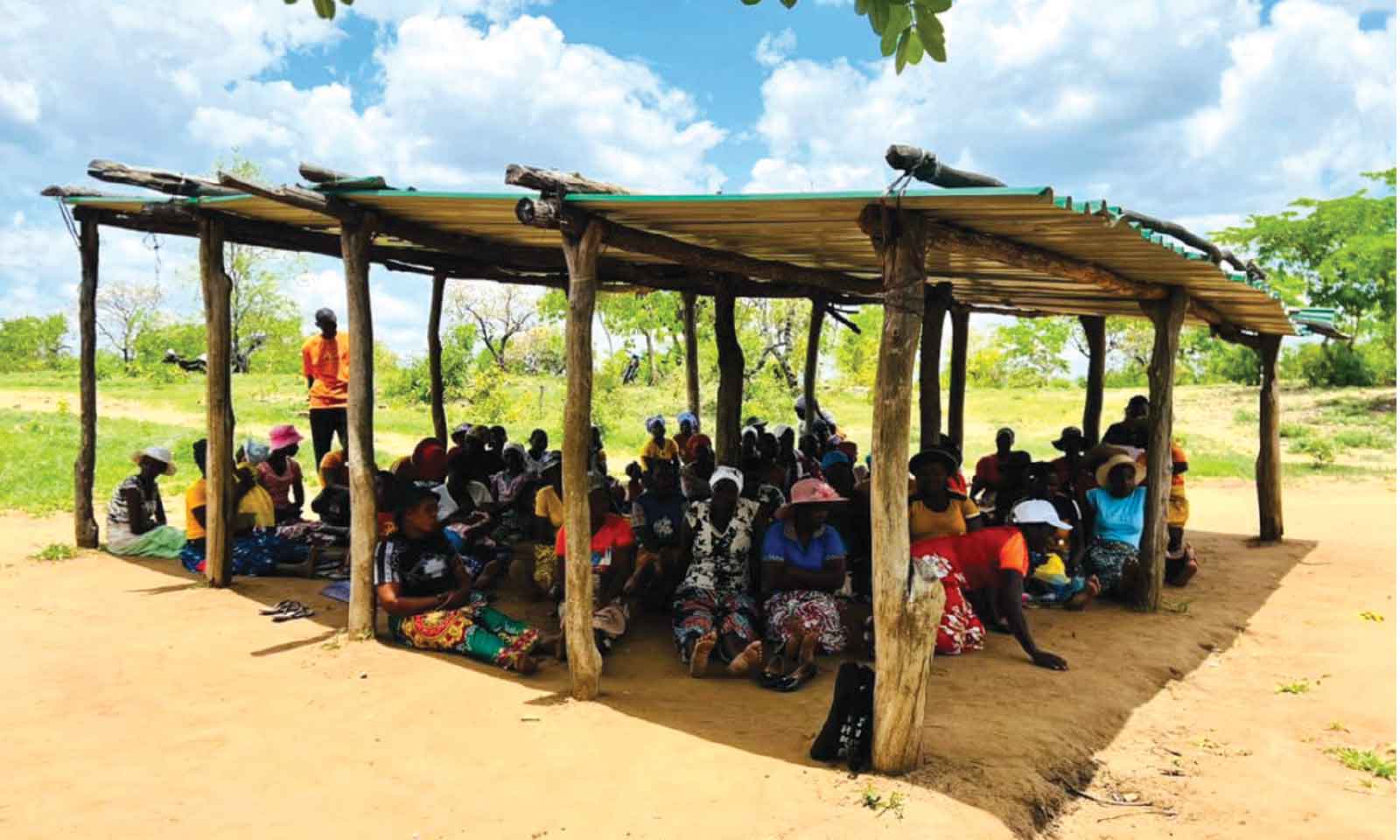
Fungai Lupande
Mashonaland Central Bureau
AS smartphones become more common in rural Zimbabwe, a new challenge is emerging, technology-facilitated gender-based violence.
What once seemed like a distant urban problem is now disrupting rural lives as communities are learning, sometimes painfully, about the risks of the digital world.
Recently, a video recorded years ago of Bybit and Precious fighting in Mt Darwin resurfaced online and spread rapidly across social media platforms.
The video is not a perfect example of online harassment, but a stark reminder of how digital content, once captured and shared in private moments, can suddenly return, sometimes in harmful ways.
This example highlights the urgent need for education on online safety, consent, and responsible technology use, especially as mobile phones become part of everyday rural life.
During this year’s 16 Days of Activism Against Gender-Based Violence, Katswe Sistahood travelled to Ward 16 Monozi and Masomo in Mbire to unpack technology-facilitated violence, which includes online sexual harassment, the non-consensual sharing of personal images, harmful messages, and emotional abuse carried out through phones or social media.
Addressing villagers gathered under a shed in Ward 16, Katswe Sistahood Acting Director, Ms Chengetayi Chininga, said the rapid spread of smartphones, mobile banking, and messaging apps has brought both convenience and risk.
“Digital violence is becoming a real threat. Communities need to understand what it is, how to identify it, and what the law in Zimbabwe says about it,” she said
Chininga said online harassment is not limited to explicit content but can also include non-explicit content.
It also includes abusive messages, threats, impersonation, and the misuse of mobile phones to exert control in relationships, issues now increasingly common in Mbire.
The rise of mobile money transactions has also created new tensions.
Known for sesame and other cash crops, Mbire’s economy relies heavily on phone-based payments.
But some women reported that this system has deepened conflict within households.
During the discussion, local women expressed frustration at how income from their joint labour is handled.
“Men are not supporting their families. We work together in the fields, but when money comes through the phone, some husbands spend it irresponsibly. We are left to manage the home with nothing,” Mrs Memory Nyamupanda
She said the session on online harassment had opened her eyes to dangers she had not previously understood.
“Katswe is also helping us with self-help projects. These are empowering women and helping reduce violence because women are less dependent,” Mrs Nyamupanda added.
But men in the gathering also voiced their own grievances, revealing deep-seated misunderstandings surrounding rights, responsibilities, and communication in families.
“Our wives compare us with people who have more money,” said Mr Tavengwa Makombe.
“They don’t appreciate what we earn. There is now too much emphasis on rights, and some say this contributes to more conflict.”
Such exchanges reflected not only tensions within households but also the wider confusion about gender roles in a changing society, where both technology and advocacy are reshaping expectations.
Katswe Sistahood is implementing the SASA! methodology, a globally recognised community-based model designed to prevent violence and reduce HIV infections by shifting harmful norms.
The initiative is being carried out with support from the National AIDS Council (NAC) under the Social Contracting Initiative.
“This outreach is aimed at addressing violence against women and reducing HIV infections by transforming harmful social norms that fuel abuse,” Ms Chininga said.
SASA! encourages entire communities, men, women, boys, and girls, to examine how power is used in relationships and how healthier, respectful practices can replace harmful ones.
“Our approach helps communities identify practices that promote violence and begin to shift towards safer, respectful relationships,” she said.
The programme also works closely with traditional leaders through the Not In My Village campaign, which mobilises local leaders to speak out against violence and ensure community-level structures support survivors.
As part of the initiative, Katswe Sistahood has created a survivor support fund specifically for women and girls facing violence. It enables them to access justice services, counselling, and urgent health care.
“We ensure that survivors from hard-to-reach communities like this one can still receive the support they need,” Ms Chininga said.
“Our mobile outreach brings services closer to the people in partnership with government and stakeholders committed to community welfare.”
Chininga said online abuse can have the same emotional and psychological effects as physical harassment.
Women in particular face harsher community judgement when digital content is misused, often suffering stigma or emotional distress due to cultural expectations about modesty and behaviour.
This, she said, made the ongoing conversations essential.
“Digital harassment disproportionately affects women and girls,” she noted.
“We are encouraging Government and communities to strengthen protective measures.”
Despite the challenges, the Mbire outreach revealed a strong willingness to learn and adapt.
Both men and women said the discussions helped them reflect on their own behaviour online and offline.
Community members asked for more support on conflict resolution, and online safety.
Katswe Sistahood promised to continue engaging the area through workshops, mobile clinics, and community dialogues.
Technology may be bringing new risks, but with knowledge, dialogue, and support, communities can confront and overcome them.


