Online Reporter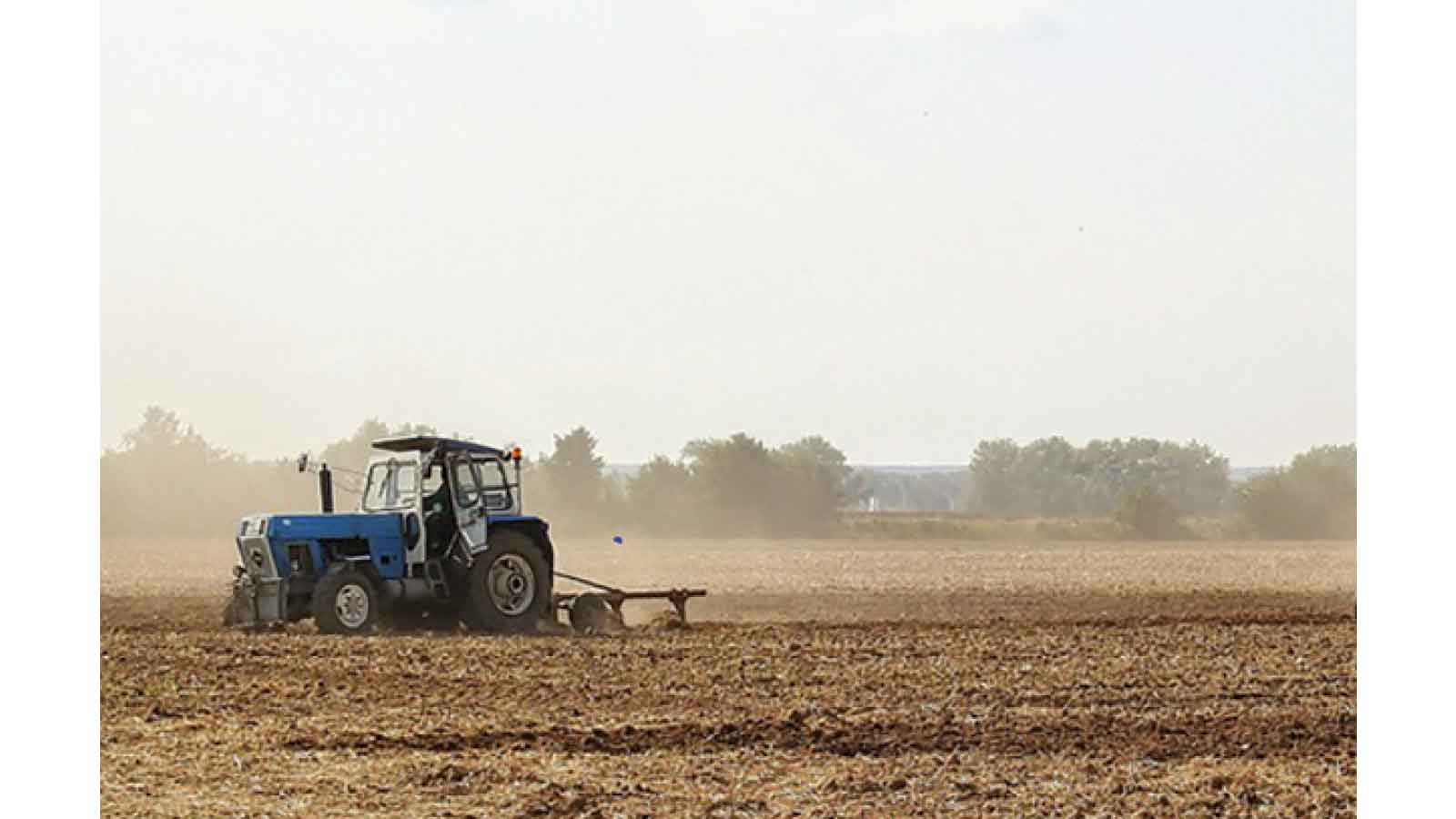
Theseus Shambare
AS preparations for the 2026 winter cropping season intensify, the arrival of machinery sourced from Belarus and John Deere US is expected to add impetus to the summer-to-winter transition and the subsequent production processes.
The equipment has since been distributed to farmers and farmer consortia through local banks.
Harvesting of the early planted summer crops has also started in some parts of the country, while inputs under the Presidential Inputs Programme that include seed, fertiliser and chemicals are already in place, with farmers encouraged to move quickly and prepare land.
Authorities have also confirmed that water supplies, mechanised equipment and energy support are in place to give farmers a strong start, as they prepare land and inputs for winter wheat and other crops.
According to the Ministry of Lands, Agriculture, Fisheries, Water and Rural Development, this year’s winter wheat hectarage has been pegged at 125 000 hectares, an increase from 120 000 hectares planted last season.
Yields of 662 000 tonnes are also expected from the 2026 winter cropping programme, surpassing the national annual requirement of 360 000 tonnes.
For years, Zimbabwe’s food security relied predominantly on maize, but in recent times, the country has adopted a dual-season model, maximising land use through summer cropping and winter wheat production.
This strategic shift has stabilised national grain reserves, reduced dependence on imports and delivered consecutive record harvests.
In an interview, Lands, Agriculture, Fisheries, Water and Rural Development permanent secretary Professor Obert Jiri said agriculture was the anchor of the economy, requiring collective efforts from all stakeholders.
“Presidential inputs, including seed and fertilisers, are already in place. All players, including ZESA and Zinwa, have committed to one cause: food security everywhere, every day.
“We are ring-fencing all key drivers for a successful winter wheat season,” he said.
Agricultural Engineering, Mechanisation and Farm Infrastructure Development, chief director, Engineer Edwin Zimunga, said Government had intensified mechanisation support, with a total of 82 new combine harvesters recently acquired — 62 from Belarus and 20 from John Deere US.
“These machines have already been distributed through local banks to farmers and farmer consortia.
“Last season we had about 310 combine harvesters in service and with the new additions, we are expecting to reach roughly 400 machines, including private sector contributions,” he said.
Engineer Zimunga said early harvesting and drying of some summer crops was already underway in Manicaland and parts of Mashonaland West.
He said the Government planned to commission three additional grain storage depots in Mhangura, Mvurwi and Macheke/Timber Mills, bringing the total of operational depots to five from the 14 currently being built nationwide.
Agriculture and Rural Development Advisory Services (ARDAS) chief director Mrs Medlinah Magwenzi said dams across the country had enough water to cater for irrigation requirements during the winter cropping season.
“Many catchments are recording between 98 and 100 percent capacity, which gives farmers the assurance they need to irrigate crops effectively.
“Mashonaland Central remains a concern at 62 percent, but we are monitoring the situation closely as more rains continue to fall,” she said.
Mrs Magwenzi said tractors and mechanised tillage equipment had been deployed to clusters, prioritising irrigated areas first to allow early land preparation.
Energy supply for irrigation has also been secured, with Zesa committing dedicated power support for pumping stations.
Zimbabwe National Farmers’ union president Mrs Monica Chinamasa welcomed the early preparations, urging farmers to act swiftly and take advantage of the current favourable conditions.
“The combination of adequate water, available machinery and input support puts farmers in a strong position.
“The next step is ensuring sowing and crop management are done on time to meet expected targets,” she said.
Authorities say careful planning, coordination and mechanisation will be key in maximising winter wheat yields to strengthen national reserves, and ensure Zimbabwe remains on track to meet domestic consumption and strategic storage targets.
Wheat production is financed under the Presidential Inputs Scheme, National Enhanced Agricultural Productivity Scheme, Agriculture and Rural Development Authority (ARDA), Joint Ventures (JVs) and private sector schemes.
The country requires 360 000 of wheat annually and has been self-sufficient from local production since 2022, when 375 000 tonnes were harvested.
The current push by the Second Republic is to substitute imports with locally produced wheat products and explore wheat exports to generate foreign currency.
Under AFSRTS 2, wheat production is projected to rise to 1 388 000 tonnes by 2030, while the gross value will increase from US$342 million to US$541 million.