Online Reporter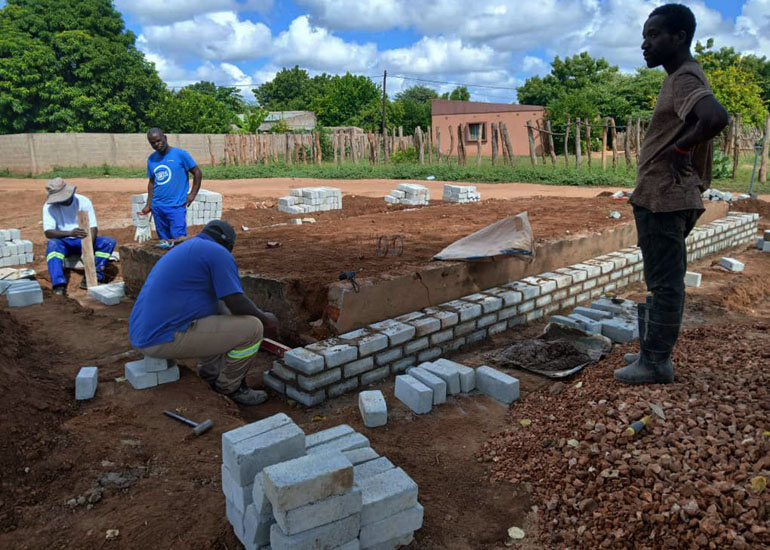
Lloyd Makonya in ESPUNGABERA, Mozambique
AS Zimbabwe counts down to its 46th Independence Day commemorations, a powerful symbol of remembrance and gratitude is taking shape beyond its borders.
Work has commenced at three key liberation war heritage sites in Mozambique, marking a renewed national commitment to honouring fallen heroes who paid the ultimate price during the country’s fight for independence.
Construction teams are currently on the ground in Espungabera (Manica Province), Changara (Tete Province), and Chibabava (Sofala Province), undertaking major works that include the construction of mass graves, the erection of the Tomb of the Unknown Soldier and the fencing of these historic sites.
The initiative, driven by the Second Republic, underscores Zimbabwe’s determination to restore dignity to the resting places of liberation fighters and civilians who perished on foreign soil during the protracted war of liberation.
Mozambique, a steadfast ally during Zimbabwe’s struggle is one of the neighbouring countries which bore the brunt of retaliatory attacks by the late Rhodesia Prime Minister, Ian Smith regime, suffering significant loss of life and infrastructure as the cost of supporting a neighbouring nation’s quest for freedom.
Today, that shared history is being etched into memorial sites that will stand as enduring reminders of sacrifice, solidarity and resilience.
Espungabera, once a critical transit point for fighters moving to and from the battlefront, is among the sites undergoing extensive rehabilitation.
The area witnessed some of the war’s devastating bombings and mass killings, affecting both Zimbabwean freedom fighters and Mozambican civilians.
Speaking during a site visit in Espungabera, Zimbabwe’s Ambassador to Mozambique, Ambassador Dr Victor Matemadanda, described the developments as a long-overdue milestone in honouring the country’s heroes.
“This is a proud moment for Zimbabwe as we have finally moved to dignify the resting places of our freedom fighters and all those who supported the liberation cause. This initiative is part of the mandate given by His Excellency, President Emmerson Mnangagwa, to identify such sites and ensure they are accorded the respect and recognition they deserve,” he said.
At Chibabava, where hundreds of freedom fighters and refugees succumbed to disease, hunger and malnutrition during the war, fencing works are already underway, with construction teams working around the clock to meet set timelines.
Across all three sites, progress is reported to be on schedule, with officials expressing confidence that the projects will be completed in time for the Independence Day celebrations, a fitting tribute as the nation reflects on its journey to freedom.
Mozambican authorities have welcomed the initiative, describing it as a reaffirmation of the deep-rooted ties between the two nations.
Speaking at a luncheon hosted for the Zimbabwean delegation in Espungabera, Mossurize District Administrator, Mr Abdul Zacarias, highlighted the enduring bond between the neighbouring countries.
“Zimbabwe and Mozambique share a common heritage built on solidarity and mutual support. Our people, especially those along the border areas such as Espungabera and Chipinge, continue to enjoy strong social and cultural relations,” he said.
The rehabilitation programme extends beyond Mozambique, with another team deployed to Zambia to work on similar liberation heritage sites, including the historic Mkushi Girls Camp, which also suffered attacks from Rhodesian forces during the war.
As Independence Day approaches, these efforts signal more than infrastructure development, they represent a nation’s collective act of remembrance and a reaffirmation of its identity.
In restoring these sacred sites, Zimbabwe is, not only preserving its liberation history, but also strengthening regional bonds forged in the crucible of struggle. It is a poignant reminder that the freedom enjoyed today was not won in isolation, but through shared sacrifice across borders.
And as the nation prepares to celebrate nearly half a century of independence, the message is clear: Zimbabwe remembers, honours and will never forget!