admin
admin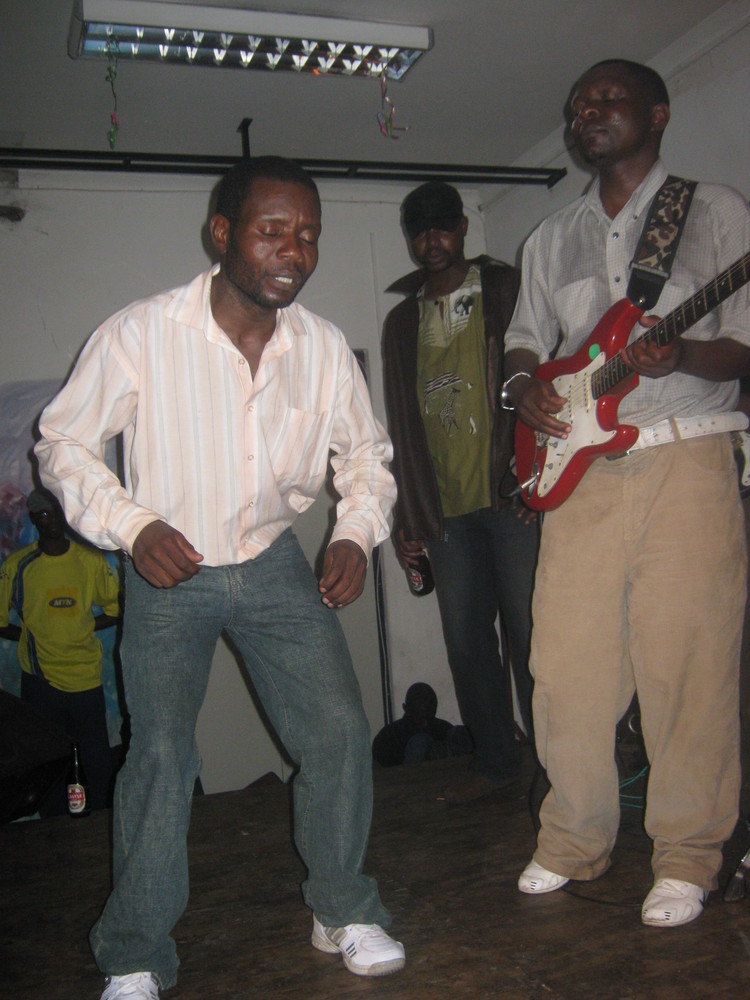
Gilbert Munetsi
“PANDAKANGONZWA waya yekutanga yegitare rePengaudzoke, uku Dhai (Daiton) kachisheedzera kuti ‘Andiriya’, ndakabva ndati kuna vadzimai vangu, ‘Ndipei bhachi rangu ndiende!’
“Munomboziva here kuti kamfana kaya kana kachinge kagumbuka kanoreba kunge chigure Makanje?” — this was our late friend, Acknos Takawira, appraising us of his musical intimacy with the group as we shared a beer inside Nyameni Beer hall, Marondera, back in the early ‘90s.
There was once a time when one did not need to grow up, migrate to or live in the capital to have their talent identified, nurtured and exposed.
This is the era when, from the resort town of Kariba, for instance, Richard Mapfuwamhandu rose to front the Nyaminyami Sounds to give us old time classics, which included “Upenyu hautengwi nemari” and “Dhora rangu ndinorida”.
From the other tourist resort end, Victoria Falls, there rose, like a majestic tide, a mature jazz outfit by the name Mandebvu of the “Zuva budei, zuva nyurei” fame.
We then had Joseph Mutero and Zvishavane Sounds converting folklore into the then popular chart buster “Mutongi gava maenzanise”.
And also during the same time the city of Mutare brought to the musical fore the Runn Family “Zvibota zviri pamoto” — a tribute to the late Mozambican President, Samora Machel.
Of course, the Midlands town of Kwekwe was not to be left out, as from it hailed the Chigiyo Masters, Zig Zag Band, churning out “Gomo ramasare”, “Ropa remukaranga”, “Child survival” (Chigamba) and much later in their musical journey, “Mudzimu mukuru”.
Do not forget Kenneth Chigodora from Rusape — “Musango ndodzungaira”, “Sisi Dhori” and “Ndine hurombo”. They were all hits.
Fact: Back then, music was diverse. It was never in short supply. Listeners had better choice. And most importantly, the musicians themselves enjoyed the fruits of their sweat, for piracy was a foreign word in their diction. Of particular interest, however, was that musical talent was not confined to urban settings alone.
Testimony to this was the arrival — like the textbook character Young Khama storming the war scene “like rain out of thunder” — of a humble ensemble calling itself Pengaudzoke.
This group, from Dunatu Farm in Beatrice, worked its way up to rightfully claim its place among Zimbabwe’s finest.
Daiton (may his soul rest in peace) and Josphat Somanje, born in a family of 14, were the authors of this thrilling musical set book, which though it was to carry a sad ending, can never be wished away in the history of Zimbabwean circular music.
“He (Daiton) did not play any instrument. He was the composer of the group and a good one at that. Most of the credit for our fame goes to him,” says brother Josphat who, despite the splits that followed, dismisses them casually.
“Yes, we may have had our differences here and there as family, but my brother always played his big brother role very well and responsibly most of the time. He was there for both of us when we received the tragic news of the passing on of our father while we were performing at a show in Murehwa. I am left the poorer by his death.”
Beginning with their debut single “Chinhu chevaridzi” back in the ‘80s, Pengaudzoke graduated into a popular act as evidenced by the numerous accolades bestowed upon them by recording companies and organisers of events hosted to honour musicians.
That Daiton was a word-smith is undisputable. He was an entertainer par excellence. Charismatic dancer with a trademark bobbing of the head and mesmerising footwork. Master at penning songs pregnant with message and managing to coin some funny, ‘meaningless’ words to colour his vocals.
“Engineer. Secondary. Andiriya. Mero…” the list goes on and on. A trademark, only he knew what messages they carried.
Together with Josphat (it can at times be very difficult to separate the two); they sang songs especially aligned to the have-nots from whom they automatically derived a ready market.
They touched on domestic disputes with songs like “Titonganisei”, “Uchasiya imba” and “Seiko kuonda” while also preaching unity in “Ngatisunge ukama”. They also explored the topic of love.
And they never forgot to tell of their arduous journey to stardom, filled with blood, sweat and tears – “Kwatakabva kure nenhamo” and “Hope dzeumambo” told the story.
Daiton was laid to rest in Marondera on Thursday. He is survived by two sons, Faheem and Halil, who are expected to pick up from where their father left.



 Online Reporter