daniel chigunwe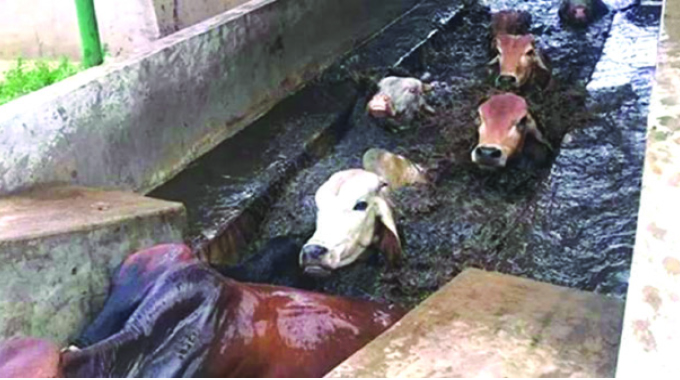
Precious Manomano-Herald Reporter
The Department of Veterinary Services (DVS) has recorded a sharp decline in tick borne diseases and has urged farmers to dip cattle regularly to avoid huge losses.
Theileriosis, commonly known as January disease, has killed thousands of livestock during the rainy season in the past few years.
DVS chief director Dr Josphat Nyika said they were expecting a rise in tick borne diseases because of the rains and advised farmers to switch from fortnightly to weekly dipping.
Dr Nyika urged farmers to work closely with veterinary officers and dip tank attendants to ensure they maintained the gains from this year.
“The country has enough dip chemical in stock for weekly dipping up to the end of the rainy season. The main challenge is low cattle turn out at dip tanks and water challenges especially in the southern provinces of Matabeleland North and South, Masvingo, Midlands,” he said.
The four major tick borne diseases are heartwater, anaplasmosis/gall sickness, babesiosis/red water and theileriosis/January disease. He said it was encouraging that in many districts, farmers had formed livestock development committees to steer community engagement with the DVS.
“We acknowledge the huge support we are receiving from community leaders to help develop the livestock sector. Together we must conquer the ticks and the tickborne diseases,” he said.
Dr Nyika said DVS was also in liaison with the Zimbabwe National Water Authority for the drilling of boreholes at dip tanks to address water shortages.
In the past year, January disease accounted for more than 60 percent of all deaths attributable to tick borne diseases.
Mhondoro-Ngezi district in Mashonaland West province, Gutu in Masvingo and Wedza in Mashonaland East were the worst affected.
Matabeleland provinces were the least affected with no January disease cases recorded in the two provinces.
In November 2020, President Mnangagwa launched the Presidential Blitz Tick-grease application programme to support 800 000 livestock farming households through the supply of free tick grease packs to supplement the dipping program.
The blitz tick grease programme is now in its second year with this year seeing a 47 percent reduction in tick borne disease cases.
Under the programme, a 1kg tick grease pack is given each of the 800 000 households owning cattle.
The tick grease is applied onto the cattle in between dipping sessions and has helped reduce tick-borne diseases.



 Online Reporter