

 Online Reporter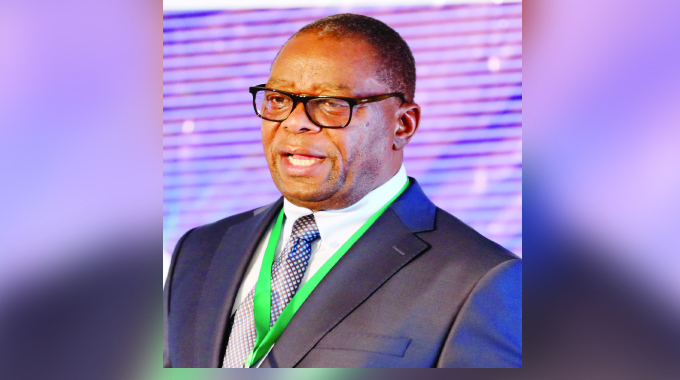
Rumbidzayi Zinyuke in GENEVA, Switzerland
First Lady Dr Auxillia Mnangagwa has issued a passionate call for global collaboration and investment to improve access to essential medicines, particularly in palliative care.
In a keynote address delivered by Health and Child Care Minister Dr Douglas Mombeshora at a high-level event titled, “A New Horizon of Hope – Galvanising Global Momentum to Improve Access and Availability to Essential Medicines” on the sidelines of the 78th World Health Assembly in Geneva, Dr Mnangagwa underscored the urgent need to view access to healthcare, including palliative care, as a universal right and not a privilege.
“Healthcare is not complete without compassion and empathy. That is why today, I emphasise the importance of palliative care; a vital, humane, and often overlooked dimension of healthcare. Far too often, patients with life-limiting illnesses, are not only affected physically but their emotional and spiritual well-being suffers if pain is not fully managed,” she said.
She said Zimbabwe is implementing a comprehensive Palliative Care Strategy and has made necessary regulatory reviews to enhance access to palliative care services by the population.
This, she said, is part of efforts to continue integrating palliative care services at all levels of the health system.
The First Lady paid respects to the late Dr Anne Merriman, a pioneer whose work in establishing palliative care services across Africa has transformed countless lives.
“Her message was clear: where there is commitment and compassion, even the most modest interventions like oral morphine and trained community caregivers can bring profound comfort and dignity to those nearing the end of life. Her work reminds us that palliative care is not a luxury. It is an essential part of healthcare. It is an affirmation of human dignity,” she said.
Dr Mnangagwa also noted that Zimbabwe is taking practical steps to train health workers in palliative care, expanding access to essential medicines, and fostering community awareness to remove stigma and fear around end-of-life care.
“We are guided by our values of Ubuntu (belief in shared humanity and collective responsibility) in advancing our inspired health and development agenda. Village Health Workers, who are a critical cog in our Primary Health Care system and provide care to our communities, are key in delivering essential health packages for which palliative services should be part of,” she added.
Dr Mnangagwa called for bold partnerships and sustained investment adding that stakeholders should work together to remove regulatory and supply-chain barriers that prevent access to essential pain relief.
She said it was imperative to ensure health workers, especially in primary and community settings, were trained and equipped to deliver compassionate care.
“Let us advocate for policies that enshrine palliative care as a right and embed it into national health systems. And let us do so with respect, sensitivity, and a deep understanding of the cultural contexts in which we serve. Our vision in Zimbabwe is clear: a healthcare system that is inclusive, responsive, and grounded in dignity,” she said.
“I address you today not only as a global health advocate but as a mother and a proud African woman, standing with those who cannot stand alone, speaking for those whose pain is too often unseen.
“Let this be our moment to reaffirm that access to essential medicines, including those for palliative care, is not optional but fundamental to justice and health for all.”
Dr Deusdedit Mubangizi, Chief of the World Health Organisation’s essential medicines division said there was a need to find ways to ensure that people who need the essential medicines access to them.
“We are talking about equity and we are talking about leaving no one behind. And this is what we are all here for and that’s what this new guideline is here for. We will be launching the guideline very soon.
“The first principle is that all people have the right to enjoy the highest attainment standard of health, a state of complete physical, mental and social well-being and not merely the absence of disease or infirmity. So, everybody has a right to enjoyment of health, and those in palliative care, they do deserve that,” he said.
Dr Mubangizi said controlled medicines are crucial for managing many health conditions and treating illnesses and access to essential controlled medicine was a component of the right to both health and to life.
National policies about controlled medicine should be balanced to enable safe, appropriate use and ensure access to medical and scientific needs, he said.
“That is uninterrupted, sustainable and continuous while avoiding harmful consequences for individuals and societies. They should always be tailored to the needs and requirements of the population, considering social context and resources, while recognising an individual’s right to the highest sustainable standard of health,” he added.
Dr Mubangizi said the principles also called on member States and healthcare providers to ensure that patients, their families and caregivers, know their rights to self-determination, non-discrimination, accessible and appropriate health services and confidentiality.
“We have had a crisis in many countries, crises that are named depending on the substances that they are talking about, but also lack of access. Either extreme is not attainable and is not necessary.
“We cannot deny people who genuinely need access to this because we don’t have systems to control the abuse of it. Of course, let everything free hand without appropriate control. That’s what this guideline is here to provide,” he said.




Charity needs to begin at home. When we buy SUVs against resources for public hospitals, I think we fail as a nation. It can be resources for MaShefu and nothing for the general public. We need to review our budget to reduce fat at the top