Online Reporter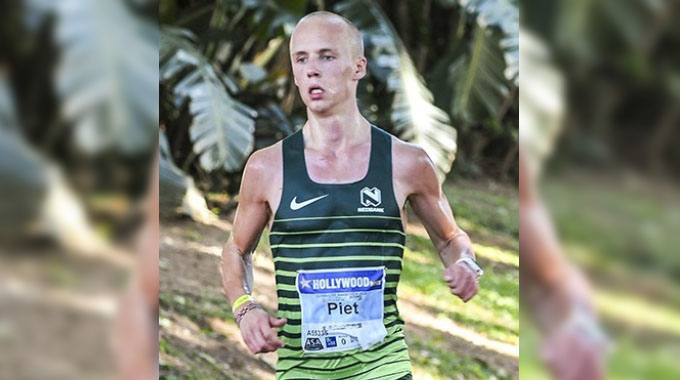
IT’S that time of year again, South Africa’s most iconic ultra-marathon returns and once more, the road from Pietermaritzburg to Durban becomes a stage for endurance, heartbreak and glory.
Over 22 000 runners are expected to line up this morning for the Comrades Marathon, braving 90 unforgiving kilometres in what promises to be near perfect running conditions. With the rain risk hovering around just 10%, the down run is set for fast times and emotional finishes.
At the front of the pack, all eyes will be on the elite contenders, Piet Wiersma in the men’s race and Gerda Steyn in the women’s. Both arrive as favourites, ready to chase records and leave legacies. But the real story, as always, unfolds further back, where thousands of ordinary people, teachers, nurses, accountants and retirees run not for podiums, but for pride, perseverance and personal triumph.
As the sun rises over Pietermaritzburg, the stirring chords of Vangelis’ Chariots of Fire will ring out across the start line. It’s a spine tingling tradition that never gets old, an emotional prelude to a long punishing day. In those moments before the gun goes off, there’s a palpable sense of something greater at play.
Throughout the race broadcast, now a fixture on South African television, you can expect the familiar mix of inspiration and irritation. At some point, the commentators, battling to fill hours of airtime, will almost certainly remind us (again) how far 90 kilometres really is.
They will talk about how it’s more than two regular marathons, or throw in that it’s equivalent to 18 park-runs in a row. It’s become something of a Comrades cliché and yet, somehow, it always finds its way back into the coverage.
The elite winners may draw the headlines, but the soul of Comrades truly reveals itself in the final hour before the 12 hour cut off. That’s where the raw emotion lives, where exhausted, broken runners dig into reserves they didn’t know they had, just to beat the clock.
You’ll see joy, pain and gut wrenching collapse as the seconds tick down. Some will cross the line with seconds to spare, others will fall heartbreakingly short. It’s the kind of real life drama no scripted sport can match.
When the finish line finally becomes less chaotic, expect the cameras to swoop in on the regular runners, still drenched in sweat, barely catching their breath, who are then subjected to awkward post-race interviews.
Reporters, perhaps a little too eager, will ask schmaltzy questions and deliver handshakes so uncomfortable they’d feel right at home in a Curb Your Enthusiasm episode. But despite the cringe, there’s something endearing about those unscripted, messy moments, they reflect the unvarnished spirit of Comrades.
And then, as sure as sunrise, someone will say it. “You’re not a real runner until you’ve run Comrades.” Whether offered in jest or with a hint of smugness, it’s a line that surfaces every year. It’s meant to praise, but it’s also needlessly exclusionary.
Because while Comrades is an extraordinary accomplishment, so is simply putting on your shoes and heading out the door. You don’t need to conquer 90 kilometres to be a real runner.
Still, there’s nothing quite like Comrades. From the first beat of Chariots of Fire to the last gasp before the cut off, it remains one of the most emotionally charged events on the sporting calendar, a celebration of grit, community and the quiet power of ordinary people doing something extraordinary. — IOL