Online Reporter
Patrick Chitumba, Midlands Bureau Chief
PERIOD poverty has been identified as a significant health concern that disproportionately affects women, particularly those from vulnerable communities who lack access to essential menstrual products.
In line with Vision 2030’s “Health for All” initiative, health experts and advocates have highlighted the critical issue of period poverty (the lack of access to menstrual products, sanitation facilities and education, hindering individuals’ ability to manage their menstruation with dignity) as a global crisis impacting over 500 million individuals worldwide.
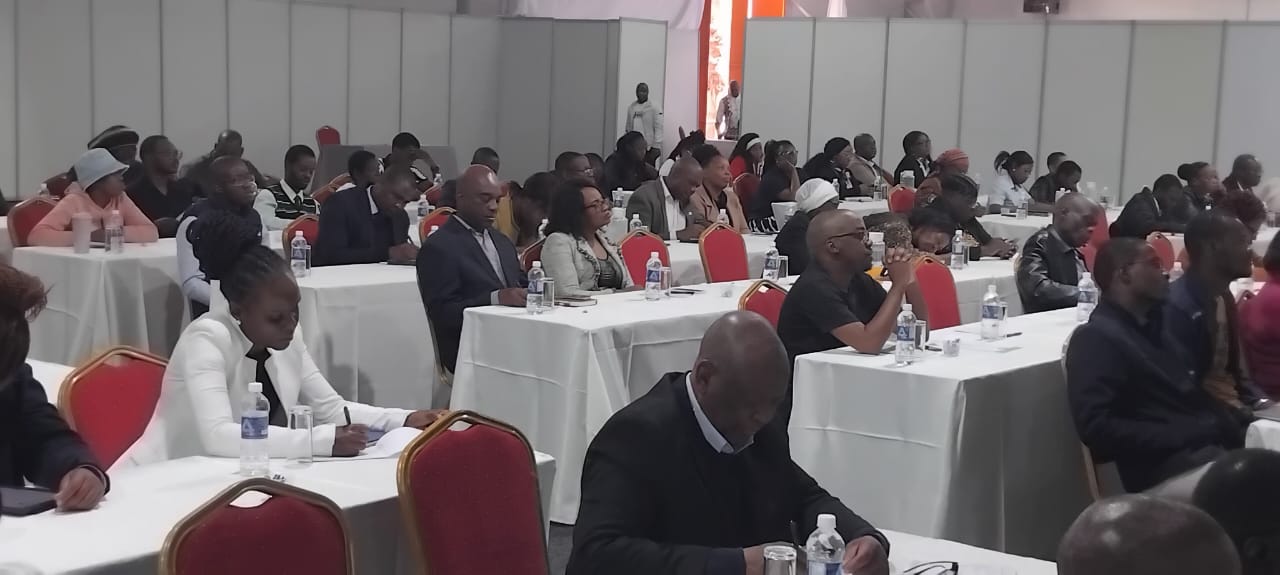
Speaking during a Midlands Menstrual Health Day media breakfast meeting, Provincial Medical Director, Dr Mary Muchekeza called for urgent action to tackle the far-reaching consequences of period poverty on health, education and human dignity.
She said Menstrual Health Day, observed annually on 28 May, serves as a stark reminder of the need to raise awareness about menstrual health and hygiene, drive policy reform and eradicate the stigma surrounding menstruation.
She noted that period poverty disproportionately affects marginalised communities, including low-income individuals, women and girls in developing countries.
“Period poverty exposes vulnerable girls to increased risks of HIV infection due to transactional sex,” said Dr Muchekeza.
By championing this cause, she said there is a need to ensure that all individuals have access to dignified and equitable menstrual health, thereby contributing to a more inclusive and healthy society.
“The lack of access to sanitary products often forces girls to miss school, which can lead to dropping out and becoming more susceptible to unsafe relationships and sexual exploitation,” she said.
Dr Muchekeza added that period poverty should be treated as a critical public health concern, noting its strong links to several United Nations Sustainable Development Goals 3, 4, 5, 6 and 8, which are health, education, gender equality, clean water, sanitation and economic growth.
She underscored the crucial role the media plays in combating period poverty and breaking the stigma surrounding menstruation.
“The media has the power to keep menstrual health and HIV-related issues in the public discourse. By highlighting the stories of those affected, promoting open dialogue, and influencing policymakers, journalists can help foster a more inclusive and supportive society,” she said.
Dr Muchekeza said this year’s Menstrual Health Day theme “Together for a Period-Friendly World,” is a call to create an environment where menstrual health can be addressed openly and without shame.
Mr Clever Taderera, Prevention Programme Manager for the Aids Healthcare Foundation, said persistent taboos, misinformation and cultural barriers surrounding menstruation, which he said contribute to both period poverty and the spread of HIV.
He said they are working to reduce period poverty by distributing free sanitary pads to vulnerable adolescent girls at health facilities.
“We have also launched a campaign to provide reusable period pants to one million girls across the country,” said Mr Taderera.
Gweru District Aids Co-ordinator with the National Aids Council, Mr Petros Mazengwa, described period poverty as a major issue in the city, adding that his office has previously procured menstrual products for disadvantaged girls as part of its community support programmes.
“Menstrual hygiene is not just a women’s issue, it’s a human rights issue. It affects us all and addressing it requires collective responsibility, including men,” said Mr Mazengwa.
Experts have called for concerted efforts to address this issue, ensuring that all individuals have access to the resources and support they need to manage their menstruation without shame or hardship.
The call to action is clear: to end period poverty and menstrual stigma and guarantee that everyone can manage their menstruation with dignity.
Although menstruation is a natural biological process experienced by nearly two billion women across the world, many still face limited access to menstrual hygiene products, safe sanitation facilities and supportive environments.
This can result in physical and emotional distress, social isolation and limited opportunities for education, employment and overall well-being.