Online Reporter
Daniel Chigunwe
Herald Correspondent
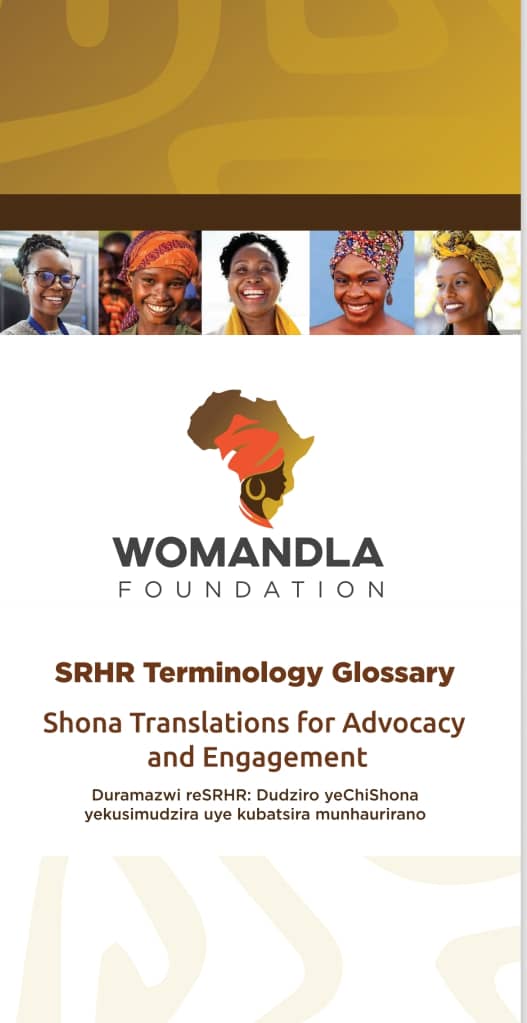
WOMANDLA Foundation, a girls and women led-serving organisation in Zimbabwe, has made strides in furthering advocacy for sexual and reproductive health and rights (SRHR) awareness by availing a glossary of local lingua terminology
With many advocacy organisations based in rural communities and marginalised areas, language always poses a barrier to address and communicate SRHR issues due to lack of an indigenous vocabulary which has seen the Womandla introducing the first ever local language terminology.
With its operations mainly based in the mining town of Zvishavane, the organisation seeks to improve the economic well-being and quality of life for adolescent girls and women through feminists oriented innovative approaches to promote and protect their rights.
“At Womandla Foundation, we have always known that language is power. Being based in a rural community, we often struggled to communicate sexual and reproductive health and rights information clearly because there was simply no shared vocabulary that made sense in our local context,” said the program manager, Mollen Manhede.
Working with a lexicographer to help translate and standardise terms and to ensure they hold cultural and community meaning, Womandla further hosted a validation webinar to get more feedback resulting in the first edition of the, “SRHR Terminology Glossary: Shona Translations for Advocacy and Engagement.”
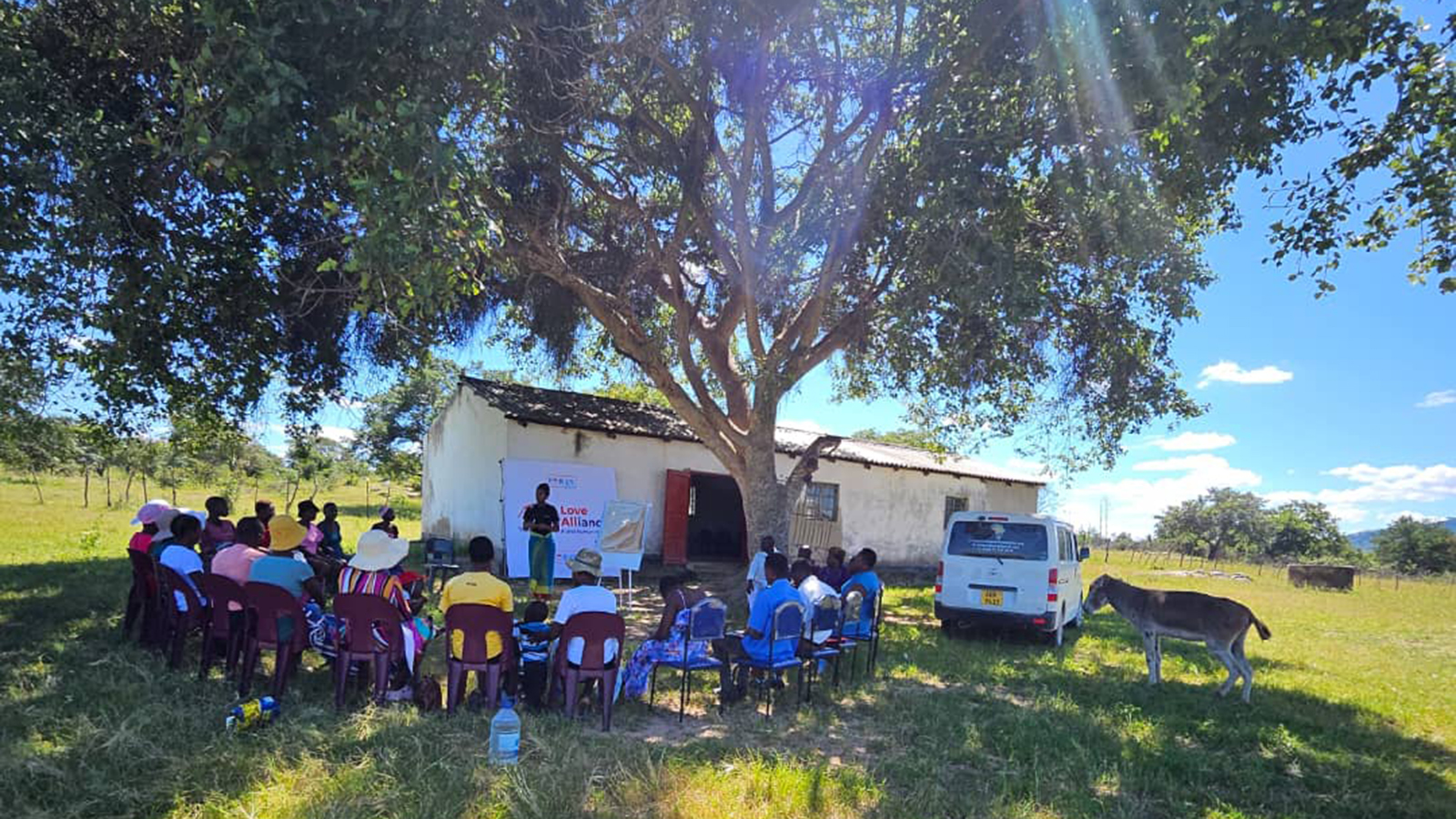
“With support from love Alliance- Aidsfonds, we set out on a journey to co-create a tool that brings SRHR language closer to the people. We didn’t do this alone, we listened. We consulted with rural communities, traditional and religious leaders, civil society organizations working in low literacy areas, and young people. We asked them: What words do you use when you talk about these issues? What makes sense in your everyday language?
“This glossary is not the final word it is the starting point. We will be updating it every year and we are inviting everyone to suggest new words or better ways to say things. With additional support, we are hoping to expand this to isiNdebele and even sign language if we could get funding,” she said.
In its drive towards breaking the language barrier, the organisation has also launched a digital application too, “we have also developed Geliza a multi lingual WhatsApp chatbot available in English, Shona and Isindebele.
“We are intentional about language because language should never be the reason someone is left behind in understanding their rights. Let’s keep building tools with the community, for the community.”
Meanwhile, the organisation is also implementing the Pan African Adolescent Girls Movement- My Kiota in partnership with The Graça Machel Trust with a focus on building the leadership skills of adolescent girls in Africa.
“We are also implementing ‘Ndiine Ruzivo- Making Well Informed Decisions’ project in which we are partnering SRHR Africa Trust under the PACCESS Project. The project is conducting a grassroots oriented study around access to SRHR services for young women in rural communities,” added Womandla project lead Esinathi Zimanyiwa.