peter
peterJudith Phiri, Business Reporter
AT least one in three (or 32,6 percent) of girls and four percent of boys in the county get married before the age of 18, a major worry that has seen experts expressing concern over child marriages, sexual exploitation and abuse of young girls and boys.
The Zimbabwe Gender Commission (ZGC) in partnership with United Nations Development Programme (UNDP) and United Nations (UN Women) under the Spotlight Initiative is conducting an investigation and public inquiry on child marriages, sexual exploitation and abuse of young girls in Zimbabwe.
According to the Zimbabwe Statistical Agency (Zimstat) levels of child marriages remain high in Zimbabwe, with the 2019 Multiple Indicator Cluster Survey (MICs) showing that 1 in 3 (32,6 percent) girls and four percent boys were married before the age of 18.
In a speech read on behalf of the ZGC chairperson Commissioner Margaret Mukahanana-Sangarwe by her deputy-Commissioner Obert Matshalaga at one of the national inquiries in Umzingwane district on Thursday, it was revealed that levels of child marriages remain high in Zimbabwe.
“Addressing child marriages, sexual exploitation and abuse is central to the work of the ZGC as it is one of the systemic barriers prejudicial to the achievement of the gender equality in Zimbabwe.
Regrettably, this National Inquiry is coming against a background of high prevalence of child marriages, sexual exploitation and abuse of young girls in the country, particularly within some religious sects which is a cause of great concern for the Commission,” she said.
She said ZimStat data also indicated the rural-urban divide in child marriages where rural girls were twice likely to be married before the age of 18 than their urban counterparts.
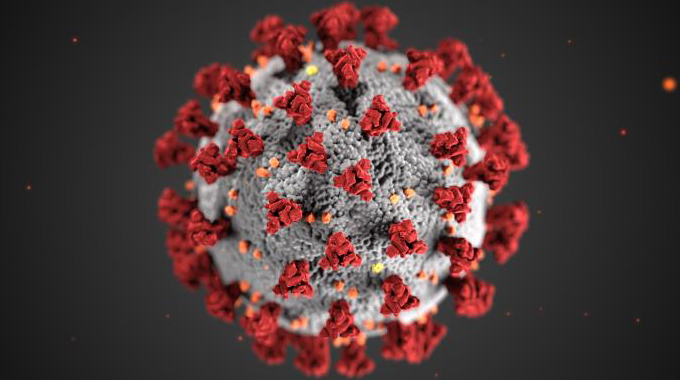
Comm Sangarwe-Mukahanana added: “Covid-19 pandemic and other humanitarian situations have worsened the situation, as during the lockdown period cases of child marriage escalated.
The Commission is duty bound to fulfill in entirety its Constitutional mandate to ensure the prevailing of social justice and remedying violations of all rights relating to gender.”
She said the inquiry process allowed the Commission to gather evidence, information and testimonies from the survivors, key-informant witnesses and stakeholders as it tried to get deeper insights and understand the underlying issues around the practice.
Mzinyathini traditional leader, Chief Stanley Gwebu said there was need for communities to protect the children.
“When they drop out of school their future is destroyed.
There is need to end child marriages and protect our children, both girls as boys as parents and communities.
Let us teach the children as early as at eight years on these issues and on the importance of taking their education seriously.
As parents create time to engage with your children and talk to them,” said Chief Gwebu.
Umzingwane District Development Coordinator Mrs Siphathisiwe Mlotshwa said as communities there was need to deal with child marriages and abuse of young girls and boys and then come up with solutions on how to solve these issues.
The national inquiry process began on 12 May and ended on 9 June in provinces such as Manicaland, Harare, Mashonaland Central, Mashonaland West and Matabeleland South.
A report from the inquires will be put together and tabled before Parliament.



 Online Reporter