peter
peterFairness Moyana recently in Dete
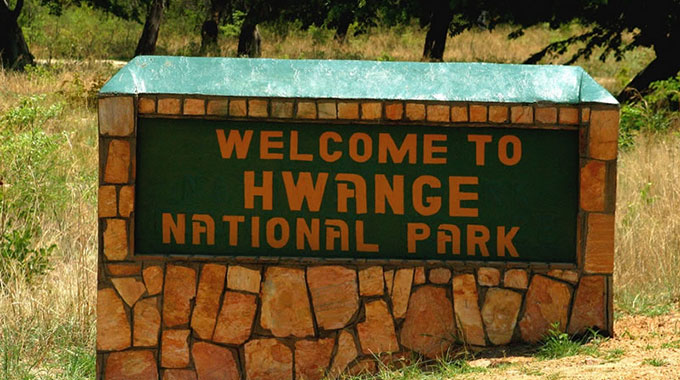
THE French Embassy has donated food rations worth 4 500 Euros/USD4 800 to Painted Dog Conservation’s anti-poaching unit as part of efforts to capacitate and support the rangers in the face of increased poaching activities in the Hwange National Park.
Presenting the donation of French meal ration to the Painted Dog Conservation (PDC) anti-poaching unit, French Ambassador to Zimbabwe, Laurent Chevallier applauded the PDC’s efforts of promoting conservation.
He said the gesture was a sign of appreciation.
“We are very supportive of the efforts led by Painted Dog Conservation. We thought we could help them by giving the French food ration for their patrol as part of supporting the good job they are doing on the ground. This is just the first step. We hope that we will have more opportunities and resources to support their work which is an important one for wildlife and biodiversity in the Hwange National Park,” he said.
He added that France was committed to climate smart agriculture, biodiversity, health, and zoonotic diseases.
“We have been working in the Hwange National Park for years through the French research institute, National Centre for Scientific Research (CNRS). We also have the French Agricultural Research Centre for International Development (CIRAD) and National Research Institute for Sustainable Development working with communities,” said Amb Chevallier.
The donation comes at a time when the Zimbabwe Parks and Wildlife Management Authority (Zimparks) had indicated a shortfall of 1 300 rangers to effectively cover the country’s national parks. PDC’s anti-poaching teams spend an average of between two to three weeks on patrols at a given time.
PDC operations manager Mr David Kuvawoga said the donation would go a long way in capacitating the team during their patrols.
“This donation means a lot to us as PDC. We are committed to putting boots on the ground and protecting the habitat where the painted dogs live so that we can continue to create a conducive environment for the thriving of not only painted dogs but all wildlife because when we remove snares, we are protecting all wild animals. To do this we need boots on the ground and these need to be fed.
It’s not cheap. To have 30 men on the ground we are in the region of US$1 500 a month and when you have partners coming in and taking some of that burden or at least coming and participating in this effort it is most welcome. It then means that we can see where we can put the resources which we have which include making sure that we improve the equipment of the teams, service the vehicles that we use and are ready to meet the poacher one on one and this helps in a way,” he said.
Mr Kuvawoga said the organisation was deriving most of its support from community anti-poaching teams that would from time-to-time feed into their core team of 17 comprising men and women.

“We do have as PDC, 17 men and women working hand in hand with community anti-poaching teams which are in the regions of 180 and from those we have 45 whom we have engaged to incorporate into our core team to run anti-poaching programme for six months from May to November.
So, we have deployed in four areas — two camps in the Gwayi, one in Dete and another in Sinamatela so we have these out making sure we cover the length of Hwange National Park and remove as many wire snares as possible making sure the poachers know that we are there and they won’t go in. We also have K9 dogs which help with tracking poachers.”
PDC has been instrumental in the removal of snares by its anti-poaching teams with over 50 000 wire snares having been removed from the wild since its establishment in 2001.

In addition to the anti-poaching unit team which patrol local areas daily to provide a direct form of protection for the dogs, the organisation also runs a rehabilitation facility where injured and orphaned dogs are treated before being returned into the wild.
It also runs conservation, educational and outreach programmes such as a children’s bush camp, a visitors’ centre, collaborative art projects, conservation clubs, and community gardens targeting communities surrounding Hwange National Park.
Conservationists say the reduced number of rangers as a result of strained resources due to the Covid-19 pandemic have posed a threat to conservation efforts with rising cases of poaching.
PDC has been playing an important role in complementing Government efforts through Zimparks of patrolling the country’s vast wildlife rich conservation against poaching.



 Online Reporter