Online Reporter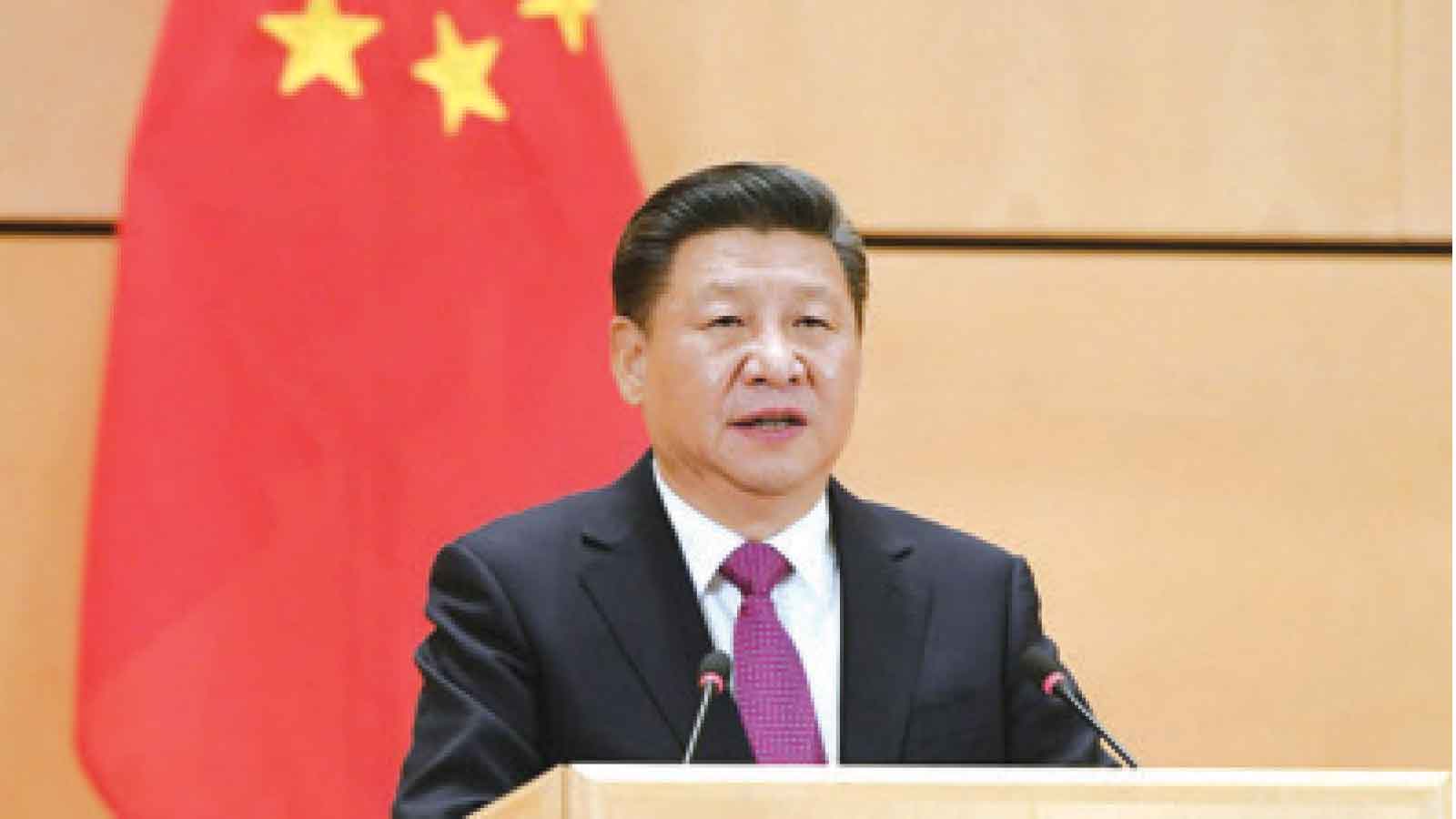
Tinashe Dean Nyamushanya
FOR decades, China’s economic story was largely defined by speed.
The country experienced one of the fastest economic expansions in modern history, lifting hundreds of millions of people out of poverty and transforming itself into a global manufacturing and trading powerhouse.
However, as China enters a new stage of development, the focus is no longer only on how fast the economy grows, but on the quality, sustainability and innovation behind that growth.
This shift represents a major change in economic thinking. Under President Xi Jinping’s leadership, China has placed “high-quality development” at the centre of its economic strategy, emphasizing innovation, technological advancement, green growth, domestic resilience and inclusive development.
The message behind this approach is clear: economic success in the modern era cannot be measured only by the size of GDP, but by the strength of industries, the improvement of people’s livelihoods and the ability of economies to adapt to future challenges.
For African countries seeking industrial transformation, employment creation and sustainable development, China’s experience provides important lessons while also highlighting the need for locally designed solutions.
Moving beyond speed: The transition from high-speed growth to high-quality development
China’s economic rise was built on decades of rapid expansion driven by manufacturing, exports, infrastructure development and foreign investment. This model created remarkable achievements, but it also introduced challenges such as regional inequalities, environmental pressure and the need for greater technological independence.
The concept of high-quality development reflects China’s recognition that the next phase of economic progress requires a different approach. Instead of focusing only on increasing production, the emphasis is now on improving efficiency, innovation capacity and long-term sustainability.
President Xi has repeatedly highlighted that development must be innovation-driven and centred on improving the quality of life for citizens. This philosophy represents a move from an economy based primarily on quantity to one based on value creation.
For African economies, this offers a significant lesson. Many countries on the continent have achieved economic growth through commodity exports, but growth alone has not always translated into industrialisation, employment opportunities or improved living standards.
The Chinese experience demonstrates that sustainable development requires moving beyond dependence on raw materials and investing in productive sectors that create value.
Innovation and technology as engines of future growth
One of the defining features of China’s current economic strategy is the belief that innovation is the main driver of future competitiveness. China has invested heavily in research and development, artificial intelligence, renewable energy, electric vehicles, digital technology and advanced manufacturing. The country has moved from being known mainly as a low-cost manufacturing centre to becoming a major global technology competitor.
This transformation has been supported by investment in education, scientific research, infrastructure and partnerships between government, universities and the private sector.
The emergence of new industries demonstrates the importance of developing domestic capabilities rather than relying permanently on imported technologies.
African leaders can draw valuable lessons from this approach. The continent has one of the youngest populations in the world, creating enormous potential for innovation and entrepreneurship. However, unlocking this potential requires investment in digital skills, science, technology, engineering and mathematics education.
Africa’s future competitiveness will depend not only on exporting minerals and agricultural products but also on developing industries that process resources locally and create high-value products.
The rise of artificial intelligence and the digital economy presents an opportunity for African countries to leapfrog traditional development barriers if they invest strategically in human capital.
Green development and sustainable economic transformation
Another important pillar of high-quality development is environmental sustainability. China has increasingly focused on balancing economic growth with ecological protection through investments in renewable energy, clean technology and green industries. The country has become one of the world’s largest producers of solar panels, electric vehicles and renewable energy equipment.
This approach reflects a broader recognition that economic development cannot ignore climate challenges. Environmental protection is becoming increasingly connected to economic competitiveness, as countries compete in emerging green industries.
For Africa, which is highly vulnerable to climate change, sustainable development is not only an environmental issue, but also an economic priority. African governments can learn from the importance of integrating climate considerations into national development plans. Investment in renewable energy, climate-smart agriculture and green industries can create jobs while addressing environmental challenges.
China’s experience also highlights the importance of long-term planning. Major economic transformations require consistent policies, strategic investment and cooperation between different sectors of society.
Building strong industries and reducing economic vulnerabilities
A central element of China’s economic strategy has been strengthening the real economy, particularly manufacturing and industrial capacity. The country’s development has been supported by building complete industrial supply chains, improving infrastructure and encouraging technological upgrading. This has helped China become a key player in global trade.
For African countries, industrialisation remains one of the most important development priorities. Many economies continue to export raw materials while importing finished goods, limiting job creation and economic diversification.
African presidents can take lessons from China’s focus on value addition. Countries rich in minerals, for example, should increasingly seek ways to process resources domestically rather than exporting raw materials.
The future of Africa’s economic transformation will depend on developing manufacturing capacity, supporting small and medium enterprises and creating conditions where young entrepreneurs can build businesses.
However, Africa must adapt these lessons to its own realities. China’s success was shaped by its unique history, population size and governance structures. African nations require strategies that reflect their own circumstances, resources and development goals.
Lessons for African Leadership: Development requires vision and long-term commitment
Perhaps the greatest lesson from China’s development journey is the importance of having a clear long-term economic vision. China’s transformation did not happen overnight. It was built through decades of planning, investment in infrastructure, education, industrial development and gradual economic reforms.
For African presidents and policymakers, the key lesson is that sustainable development requires consistency beyond political cycles. National development strategies must prioritise productive sectors, human capital and innovation.
Africa does not need to copy China’s model, but it can learn from the principles behind its transformation: investing in people, developing industries, embracing technology and creating partnerships that support national priorities.
China’s economic rise also demonstrates the importance of strategic global engagement. Through trade, investment and international cooperation, countries can accelerate development while protecting their national interests.
As the global economy enters a period of uncertainty, African countries have an opportunity to redefine their development pathways. With abundant natural resources, a young population and growing entrepreneurial energy, the continent has significant potential. The challenge is converting these advantages into sustainable economic progress.
The transition from growth to quality represents a new chapter in China’s economic development. President Xi’s vision emphasizes that modern economic success requires more than expansion—it requires innovation, sustainability, resilience and inclusive development.
For Africa, the experience offers valuable lessons. Economic transformation depends on moving beyond resource dependence, investing in technology, strengthening industries and creating opportunities for citizens.
The future belongs to countries that can combine vision with action.


 Peter Tanyanyiwa