


 tawandamusarurwa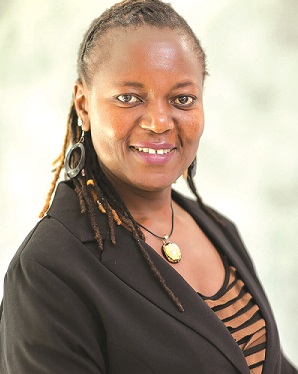
Mariam Tose Majome
THE first of 10 functions of the Zimbabwe Media Commission is to uphold, promote and develop freedom of the media.
Freedom of the media is provided for in Chapter 62 of the Constitution and has two components.
First is the right to establish and operate media platforms and second is the right of the media to publish and broadcast freely without State or other interferences.
The United Nations General Assembly adopted Article 19.2 from the International Covenant on Civil and Political Rights, which states that “everyone shall have the right to freedom of expression; this right shall include freedom to seek, receive and impart information and ideas of all kinds, regardless of frontiers, either orally, in writing or in print, in the form of art, or through any other media of his choice”.
Media freedom includes protecting media practitioners and confidentiality of information sources. A free and credible media is not only in the public interest but is also a public right, which is only possible if media practitioners and journalistic sources are protected from exposure and persecution.
Problems associated with media freedoms are universal and not confined to certain parts of the world, as is the impression commonly given. The European Court of Human Rights often adjudicates matters where journalists practising in Europe are unlawfully forced to disclose their sources of information.
Media freedom is also about the freedom to establish, own and operate media platforms in whatever forms. The freedom to establish media platforms like television channels, radio stations, newspapers or magazines is subject only to licensing and regulatory approval. In Zimbabwe, regulators in the media space include the Zimbabwe Media Commission, the Broadcasting Authority of Zimbabwe (BAZ) and the Postal and Telecommunications Regulatory Authority of Zimbabwe.
Media licensing and regulation apply in all countries. Anyone can establish a media service entity in Zimbabwe as long as they meet the licensing criteria. Registration and accreditation of media practitioners in Zimbabwe by the media commission is on a voluntary basis, in fulfilment of media freedom and freedom of association.
However, professional media practitioners voluntarily submit themselves for registration and accreditation because they know the benefits of professional affiliation and recognition.
The State, like any other entity, also has the right and freedom to have its own media houses but it is barred by the law from interfering with editorial content.
Media practitioners, even if they work for the State, are legally obliged to retain their professional independence in the public interest. Editorial content for public media should be free from control and direction of Government or political and commercial interests and powerful individuals.
State-owned media are public and so are legally obliged to be impartial and afford a fair opportunity for divergent views and dissenting information.
The print and electronic media spaces in Zimbabwe have been opened up to private players. There is a variety of independent publications and print media establishments offering an array of newspapers and magazines.
In the electronic media space, BAZ has licensed a number of private and independent broadcasters to operate television and radio channels.
To date, there are 14 community radio stations operating in the country’s provinces. There are six national free-to-air television stations, which include Zimbabwe Television Network (ZTN), 3KTV, NRT and Channel D. Others were licenced but have not yet started operating.
There are at least 10 commercial radio stations spread throughout all the 10 provinces for wider national representation. The Zimbabwe Broadcasting Corporation is a public broadcaster and is licensed to have six TV channels, although it is not yet operating all of them, and has four radio stations that air nationally.
Miriam Tose Majome is a commissioner of the Zimbabwe Media Commission



 Bongani Ndlovu
 Online Reporter