Online Reporter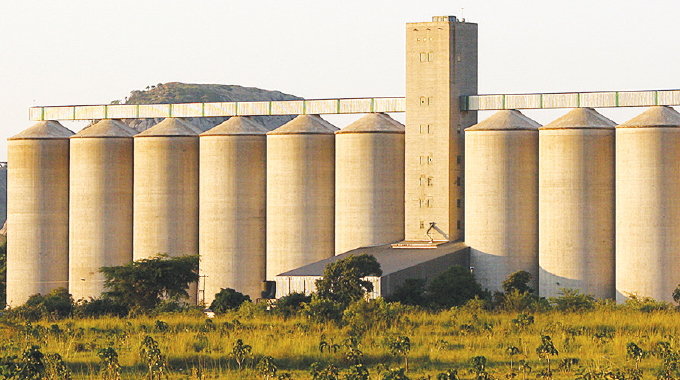
Theseus Shambare
The Grain Marketing Board (GMB) has unveiled a new third-party grain purchase model designed to liberalise grain marketing, strengthen national food security and position Zimbabwe as a regional grain trading hub.
Under the new framework, millers, stockfeed manufacturers and other processors will be allowed to procure grain using GMB’s nationwide infrastructure, integrating farmers and private players into a unified value chain.
In a statement released this morning, the GMB said the Third-Party Grain Purchase Model enables registered private entities to buy grain through its extensive network of 89 depots and 1 804 buying points across the country.
“This model assists farmers to access the market at low cost while benefiting grain processors from GMB’s aggregation,” it said.
Participating processors will deposit funds into a GMB account at agreed prices, with its physical stocks serving as collateral.
The arrangement allows processors to collect grain from the depot nearest to their operations, significantly reducing transport and logistics costs.
The initiative marks a shift in the parastatal’s role from a traditional regulator to an active market facilitator, as it seeks to unlock efficiencies within the agricultural sector.
To support the new trade models, GMB is also expanding its storage capacity. The GMB currently manages a silo capacity of 862 000 tonnes , with an additional 672 000 tonnes under construction. Once completed, total silo capacity will rise to 1 534 000 tonnes.
The expansion is expected to enhance strategic grain reserves while creating room for transit and commercial storage targeting regional and international traders.
As part of the reforms, GMB has reduced storage fees to US$2,90 per tonne per month. The competitive rate applies to several new facilities, including a Farmers Storage Facility aimed at reducing post-harvest losses by allowing producers to store and access grain when needed.
The GMB is also introducing a Transborder Storage Facility targeting regional and international traders seeking transit storage under collateral management arrangements, leveraging Zimbabwe’s central location in Southern Africa.
Officials said the models are aligned with the Government’s Rural Development 8.0 thrust, with deliberate focus on empowering women, youth, Village Business Units and School Business Units through improved aggregation and market access.
In addition, GMB’s transport fleet will be made available to onboarded contractors to ease the movement of grain, addressing longstanding logistical bottlenecks in the sector.
A nominal 10 percent service fee will apply to third-party services.
“The GMB’s innovative models mark a new era of grain trade efficiency. By combining nationwide reach, competitive pricing and world-class storage, GMB is positioning Zimbabwe as a hub for grain trade in the region,” the GMB said.
Stakeholders seeking to participate have been urged to register through the Board’s Operations or Marketing departments as the country moves to consolidate food security gains.