Online Reporter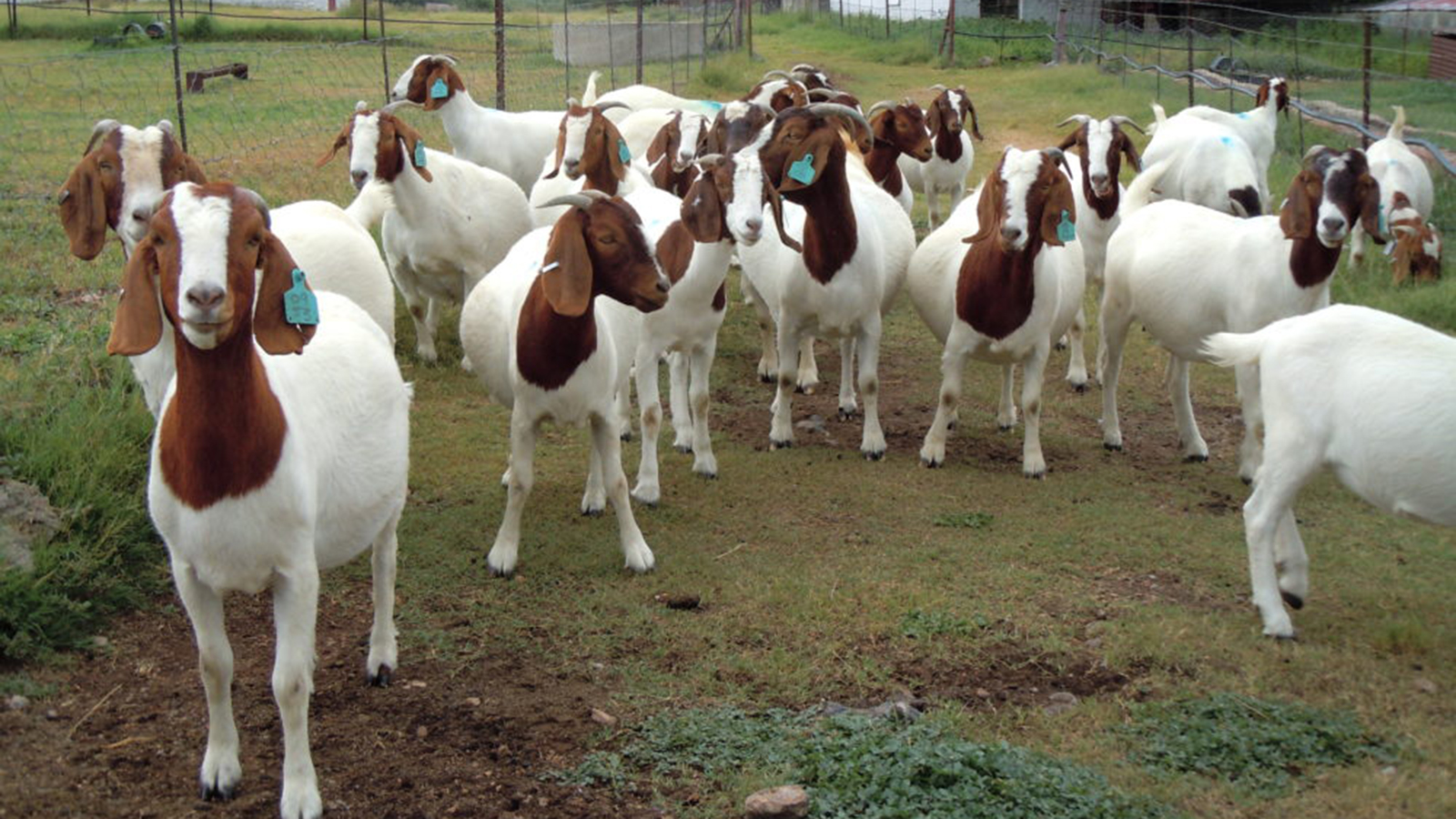
Judith Phiri [email protected]
The Goat Breeders Association of Zimbabwe (GBAZ) has called on goat farmers across the country to adopt, understand and strictly adhere to breed standards in a bid to enhance livestock value, protect indigenous genetics and unlock export market opportunities.
Goat breeding in Zimbabwe is increasingly shifting from subsistence production to a commercialised, high-value sector driven by indigenous breeds such as Mashona and Matabele, alongside improved breeds including Boer, Kalahari Red and Savanna.
Speaking in an interview, GBAZ chairperson Mr Ntandoyenkosi Ndhlovu said understanding breed standards and properly valuing livestock was critical for farmers seeking to commercialise their operations.
“Goat breeding can be a venture that can thrive in the commercial industry for Zimbabwe. We are not only looking to improve or commercialise goats only in the country but to get to a stage where we are able to breed goats that are able to meet the standards in Africa and beyond,” he said.
“We need to also be able to export goat meat and goat breeds from Zimbabwe to SADC, Eastern Africa and Northern Africa as well as other parts of Africa and beyond.”
He commended Eland Zakithi Stud for dominating the recent Bulawayo Agricultural Show 2026 sheep and goat competition, where it scooped the grand champion title and won in six other categories.
The show, held alongside the Zimbabwe International Trade Fair, highlighted growing interest in livestock production and agricultural innovation.
Mr Ndhlovu said improved goat management practices were essential for farmers transitioning into commercial production, stressing the importance of nutrition, housing and disease control.
“Goat management for production when going commercial requires tailored strategies in nutrition, health, housing and breeding. We need to improve the goat farming value chain taking into consideration input supply, production, marketing, processing and consumption,” he said.
He added that farmers must move beyond subsistence production and focus on genetics improvement that can be registered with the Zimbabwe Herd Book for export potential.
GBAZ, established in 2018, aims to modernise and commercialise goat breeding in Zimbabwe. A recent development has been the formation of the Boer Goat Society of Zimbabwe (BGSZ), which seeks to promote improved Boer goat genetics for meat production.
The Boer goat, originally developed in South Africa, is widely regarded as the world’s leading meat goat breed due to its fast growth, muscular build and high-quality lean meat.
Experts say cross-breeding Boer goats with indigenous Mashona and Matabele breeds has become increasingly popular among farmers, improving herd weight, growth rate and market value while maintaining resilience to local conditions.