Chronicle Editor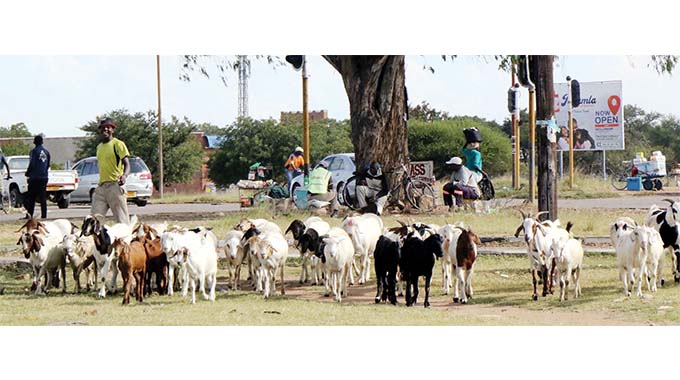
Flora Fadzai Sibanda
IN the bustling city of Bulawayo, there exists a unique and vibrant tradition that has been passed down for over 40 years — the selling of goats. While some may see this business as solely a means for financial gain, the goat sellers themselves believe it holds a deeper purpose.
For these urban dwellers, selling goats provides a connection to their roots and allows them to perform traditional ceremonies with ease.
“When a family is welcoming a new bride or acknowledging the pregnancy of someone in their family the woman is sprinkled with goats’ bile. This is a symbol to show either the baby or the wife are both being welcomed into the family and they are being accepted.
“Apart from that, goat milk is still believed to cure diseases and the fat is believed to be strong enough to chase away evil spirits,” explains goat seller John Malinga.
But in a fast-paced city where time is precious, it can be difficult for people to travel to rural areas to acquire goats for these important rituals. That’s where the goat sellers come in, offering a convenient solution for those seeking to honour their traditions.
“Once they know they are taken care of, it becomes easy,” says Malinga.
However, this business is not just about tradition. It is also a profitable venture, particularly during the right season.
“The money is good because we sell each goat starting from US$65 which is good because if business is good and luck is on your side you can sell five goats a day.

“It is actually more fruitful for the suppliers because those people in Beitbridge especially make lots of money from us. I always jokingly tell them we are their donors because people who buy goats are ensuring that they live the good lives most of them are living,” shares Malinga.
Transporting the goats from the goat-rearing towns of Beitbridge and Gwanda is not an easy feat, however. Goat seller, Milton Dube explains that they use trucks to transport the goats and keep them overnight at a local abattoir.
During the rainy season, business slows down as they must take extra precautions to keep the goats dry and healthy.
Despite the myths that some may spread about goat sellers mistreating their animals, Dube assures that their goats are well-behaved and well-cared for.
“As long as they are not hungry, they stay in one place and do not stray into the roads. Of course there are myths that people might come up with like how we molest our animals so some start saying they are not clean and cannot be used for such ceremonies, however, the only thing that I can say is people who come up with such stories should bring evidence and we debate on the matter with evidence on the table.”
For these goat sellers, the business is not just about making money, but about preserving a rich tradition and helping others to honour their cultural heritage.
“We have people coming to buy goats for different reasons. Some would want a black goat for a ceremony to chase away bad spirits while some would want it for ukuthethela which is usually done in August by most families. Someone might also prefer to buy goats so they can use them for strengthening their homes.”
In a world that is constantly changing, it is refreshing to see traditions like these continue to thrive and bring people together. As Malinga puts it, “It’s not just about money. It’s about keeping our culture alive.”–@flora_siband



 Online Reporter