

 daniel chigunwe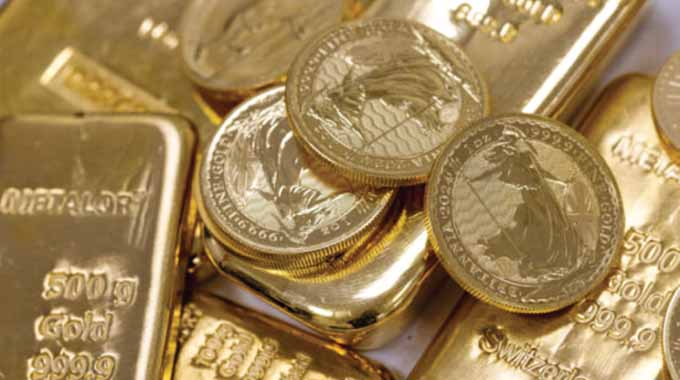
Gold held a three-day advance as traders prepared for US inflation data that will help determine whether the Federal Reserve cuts or holds rates next week at its final meeting of the year. Spot bullion traded just below US$2 700 an ounce, after rising by more than 2 percent in the prior three sessions.
Markets are currently pricing in a more than 85 percent chance of a quarter-point reduction at the December 17-18 gathering. Lower borrowing costs typically aid bullion, as it doesn’t pay interest.
Gold hit an all-time high above US$2 790 in October, supported by the Fed’s pivot to easing, haven demand, and central-bank buying. Prices — which have rallied more than 30 percent this year — enjoyed a lift in recent sessions after the People’s Bank of China resumed purchases after a six-month pause.
China’s PBOC, which hold large USD reserves and has a strategic interest in reserves diversification, “may even increase gold demand during periods of local currency weakness to boost confidence in their currency” according to analysts at Goldman Sachs Group.
China has purchased gold “systematically” via the over-the-counter market in London during periods of yuan weakness, including in 2014-2016, 2018-2020, and 2022 until today, Goldman said in a note on Tuesday.
Technical factors were also helping bullion, with trading volumes increasing as futures this week “convincingly” broke out of a consolidation phase, according to Pepperstone Group Head of Research Chris Weston.
Gold for immediate delivery was little changed at US$2 696,70 an ounce at noon in London, following a 1,3 percent gain on Tuesday. The Bloomberg Dollar Spot Index rose 0,3 percent, following a report that Beijing will consider allowing the Chinese currency to weaken next year. Silver, platinum and palladium all fell. — Bloomberg


 Online Reporter