Online Reporter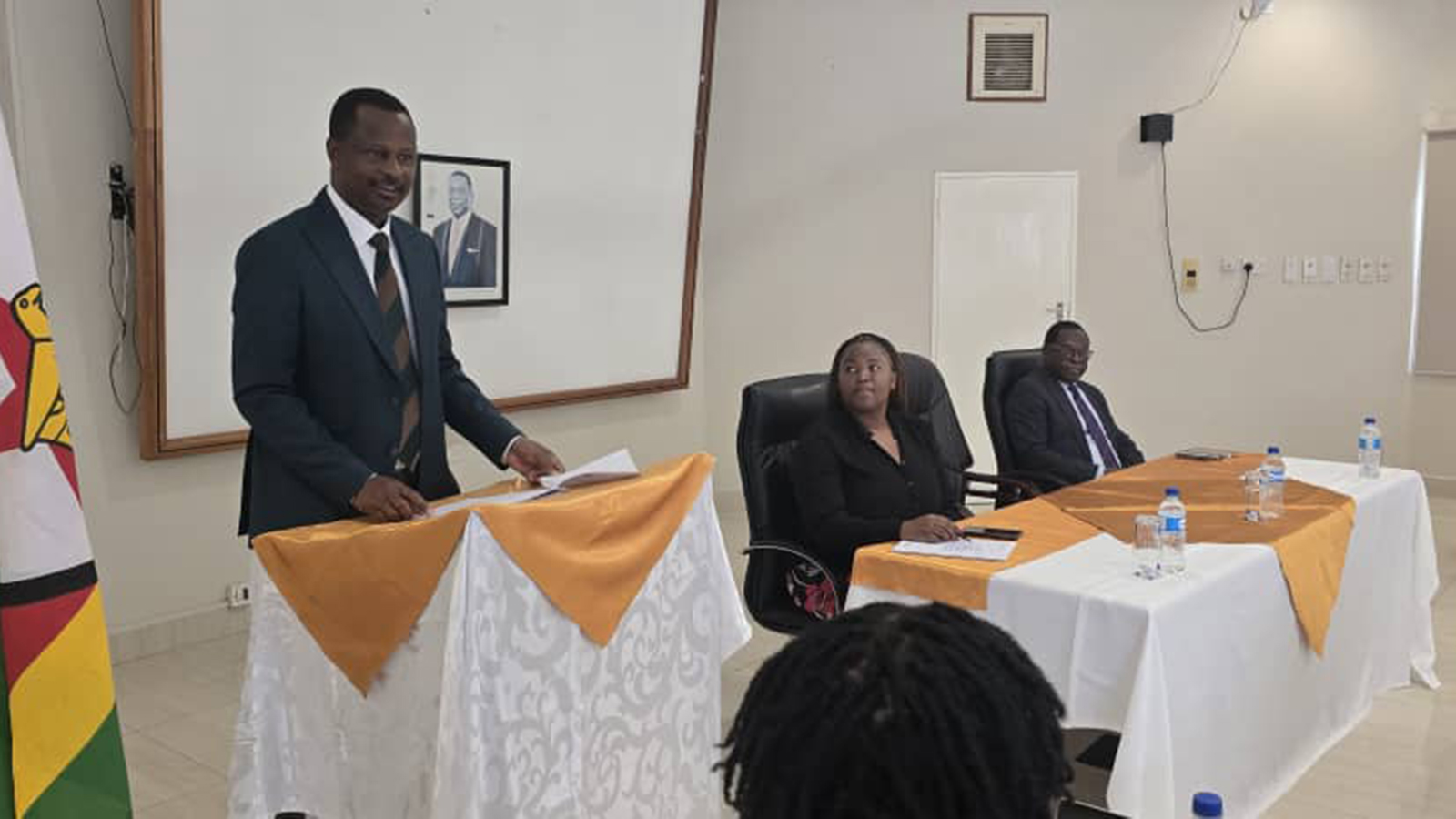
Harare, December 18, 2025 (New Ziana) – Government has signalled a major strategic shift in the future of Zimbabwe’s public media architecture, with Deputy Minister of Information, Publicity and Broadcasting Services Dr. Omphile Marupi saying the traditional news agency model is no longer viable and urged a decisive pivot towards strengthening community newspapers as a cornerstone of rural development.
Speaking at the close of the Zimbabwe Mass Media Trust (ZMMT) and New Ziana strategic planning workshop in Harare, Dr. Marupi said the country stood at a critical crossroads as it concludes National Development Strategy 1 (NDS1) and prepares to implement NDS2, making bold and pragmatic decisions unavoidable.
He said the once-dominant wire service model, adopted in 1981, has been overtaken by technological changes and the rise of digital platforms, leaving the national news agency in what he described as an “existential crisis.”
“The media landscape has been irrevocably altered,” Dr. Marupi said, noting that social media and direct internet access have eroded the relevance of traditional wire services, while declining readership and advertising revenues – accelerated by the COVID-19 pandemic – have crippled the agency’s financial base.”
He revealed that New Ziana is burdened by substantial debt, persistent budget cuts, and an inability to meet basic operating costs, challenges compounded by the fact that when Ziana was commercialised in 2003, it was never capitalised.
Although Government has historically provided grants to subsidise operational deficits, Dr. Marupi said this support has failed to keep pace with rising costs.
“In light of these harsh realities – crippling debt, perpetual dependency on Treasury and an unviable commercial structure – we must seriously consider phasing out the outdated, resource-intensive wire service,” he said.
In sharp contrast, the Deputy Minister described community newspapers as a highly viable national asset that aligns directly with Vision 2030 and the Second Republic’s devolution agenda.
He emphasised that these publications play an irreplaceable role in reaching marginalised communities, particularly in rural areas where access to digital news is limited by the cost of data.
Since 1987, New Ziana’s eight community newspapers have helped bridge the information gap between the governors and the governed, articulating rural aspirations, agricultural innovation and local development needs, he said.
“Seventy percent of Zimbabwe’s population resides in rural areas. Your most important mandate is to stimulate rural development,” Dr. Marupi said, adding that the free, vernacular nature of the newspapers gives them wider reach in marginal areas than any other media platform in the country.
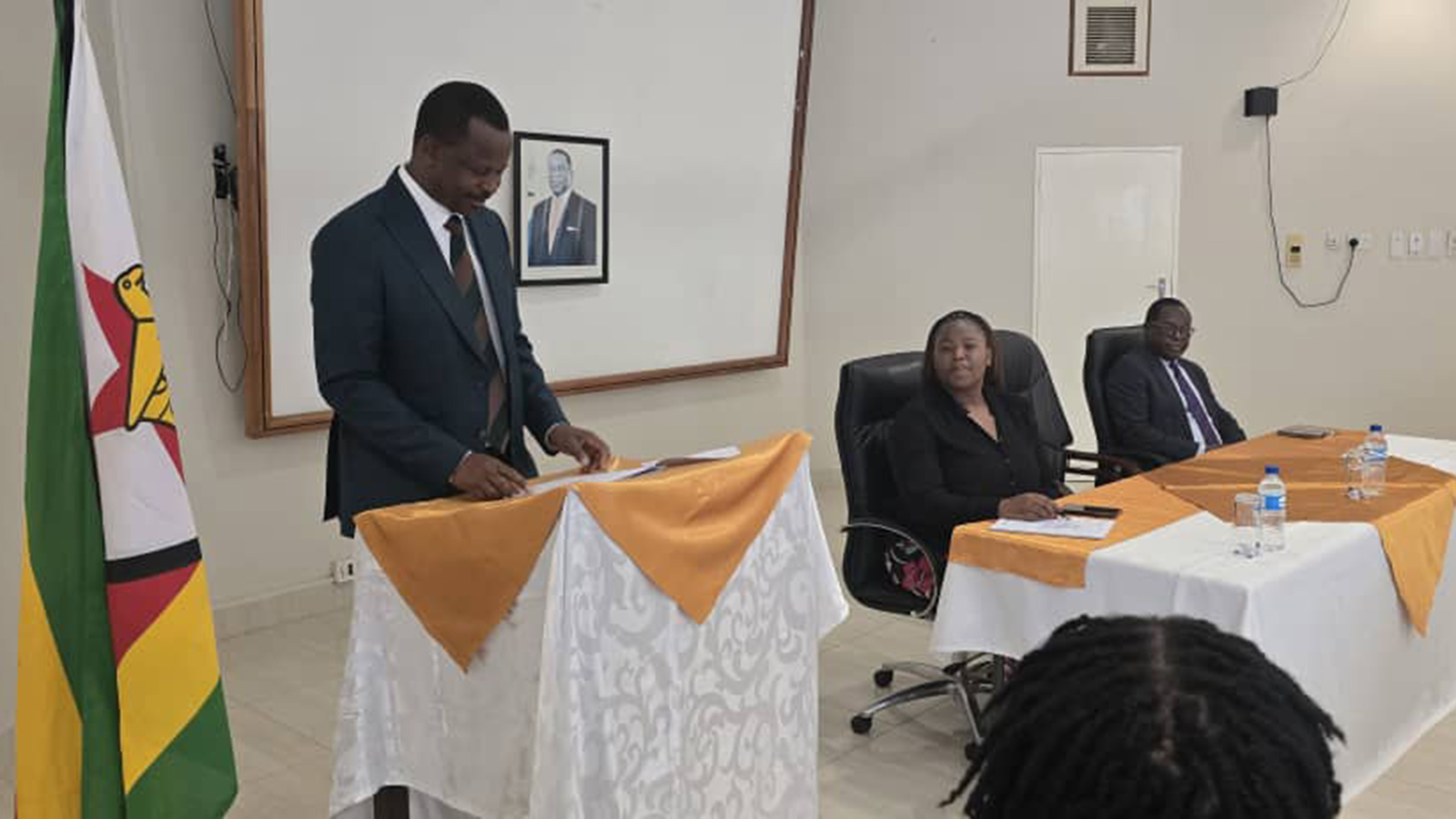
He said Government would consider formally integrating community newspapers into provincial structures as part of the devolution framework, transforming them into key vehicles for local development communication.
Looking at NDS2, Dr. Marupi said Government will roll out structured incentives for artists and content creators to boost the production of high-quality local content for public broadcasting that tell the Zimbabwean story and strengthens national pride.
He urged New Ziana to position itself to benefit from these initiatives by prioritising factual, ethical and development-oriented content.
The Deputy Minister acknowledged internal turnaround efforts already underway at New Ziana, including improving editorial quality, expanding digital distribution and increasing readership through free newspaper circulation. He said the organisation’s ability to remain operational despite receiving only a fraction of its pledged budgetary support this year demonstrated underlying viability.
To secure sustainability, Dr. Marupi proposed a mixed funding model for community newspapers, combining annual Treasury support – in recognition of their public service role – with diversified commercial revenues. He stressed that international precedent recognises national news production as a public good that cannot rely solely on volatile market forces.
“New Ziana holds a near monopoly in the rural news market and must capitalise on this advantage as Government and business increasingly decentralise to rural areas,” he said.
Dr. Marupi challenged the organisation to move away from a culture of dependency and instead seek a once-off strategic capital injection to support a sustainable turnaround.
“The old model is defunct, but the community newspapers are a powerful national asset,” he said. “By committing resources to a decisive and realistic reform path, you can salvage a core public information service and ensure that New Ziana once again champions the Zimbabwean narrative – especially for the 70 percent of citizens living in rural communities.”
He urged participants to ensure the workshop delivers not just plans, but a secure and sustainable future for public media in Zimbabwe.