Online Reporter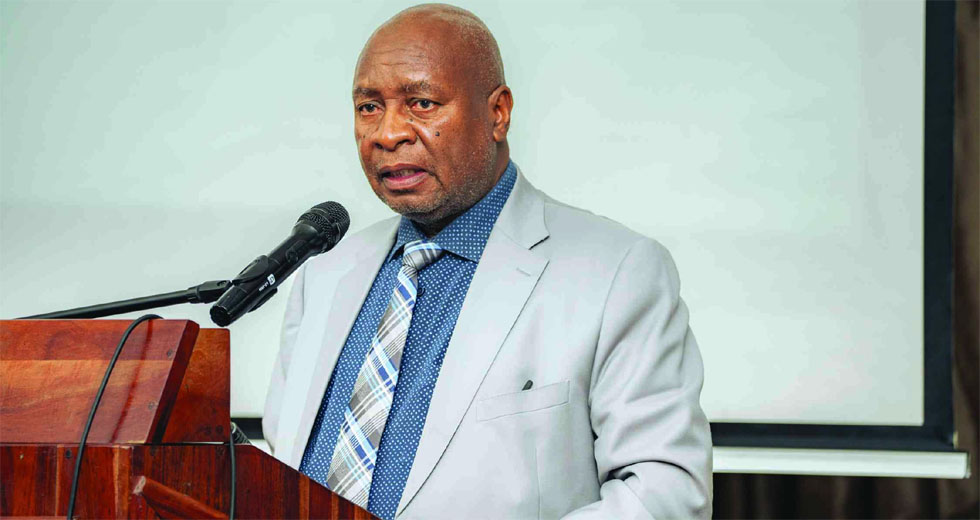
Theseus Shambare
AT least 20,000 inspections were conducted by the Government during the National Development Strategy One (NDS1) period (2021–2025), as authorities sought to protect workers and strengthen workplace compliance across Zimbabwe.
As the nation transitions to NDS2, and in line with International Labour Organization (ILO) conventions, the Ministry of Public Service, Labour and Social Welfare intensified oversight to ensure fair treatment, safety and protection for employees in both formal and informal sectors.
Public Service, Labour and Social Welfare Minister Edgar Moyo said the inspections, particularly in the mining and manufacturing sectors, reflected the Government’s commitment to enforcing occupational safety and health standards.
“The health and safety of our workers is non-negotiable.
“We have strengthened the inspectorate and partnered with other ministries to ensure workplaces meet national and international labour standards,” Minister Moyo said.
The Ministry, he said, surpassed its NDS1 target of 12 500 inspections, completing 23 605 visits, an 88 percent increase over the target.
“Officers also participated in joint audits, including the Responsible Mining audit coordinated with the Ministry of Mines and Mining Development,” said Minister Moyo.
To strengthen enforcement, he said, the Ministry established a dedicated Inspectorate Division within the Department of Labour Administration.
Equipped with vehicles and modern tools in every province, the division allows rapid response to workplace incidents and better support for workers and employers.
Child labour remained a priority.
“Awareness campaigns in agriculture and mining reached communities nationwide.
National Employment Councils integrated child protection policies and hazardous work lists into Collective Bargaining Agreements,” he said.
Minister Moyo said social protection and worker support were central to NDS1 achievements.
“We focused on ensuring every Zimbabwean worker has access to safety nets, livelihoods support, and social insurance.
“Cash transfers, food, health, and education support cushioned our most vulnerable citizens,” he said.
The National Social Security Authority (NSSA) expanded coverage to informal sector workers, increasing pension payouts and improving access to social protection.
Key legislation, including amendments to the Labour Act, the Children’s Act and the Persons with Disabilities Act, strengthened protections for workers, including maternity rights, collective bargaining and protection against harassment.
Labour migration management advanced with the establishment of Migrant Resource Centres in Harare and Bulawayo, providing critical information on legal migration and reducing human trafficking risks.
Bilateral agreements, such as with Rwanda, facilitated the secondment of over 400 skilled Zimbabweans, enhancing employment opportunities and knowledge transfer.
Youth engagement also improved. Career guidance, job centres, and vocational training programmes linked young people to labour market needs.
Minister Moyo said the National Formalisation Strategy, now under Cabinet consideration, will progressively integrate informal workers and enterprises into the formal economy.
Digitalisation of services and the establishment of district labour offices across provinces improved public access.
“We intend to leave no worker or community behind.
“Through inspections, legislation, and social protection, Zimbabwe has laid a strong foundation for safer workplaces and inclusive growth,” Minister Moyo said.
The Ministry’s efforts under NDS1, Minister Moyo said, demonstrate the Government’s commitment to building a resilient, equitable, and safe labour market, ensuring that economic growth translates into decent work and improved livelihoods for all Zimbabweans.