admin
admin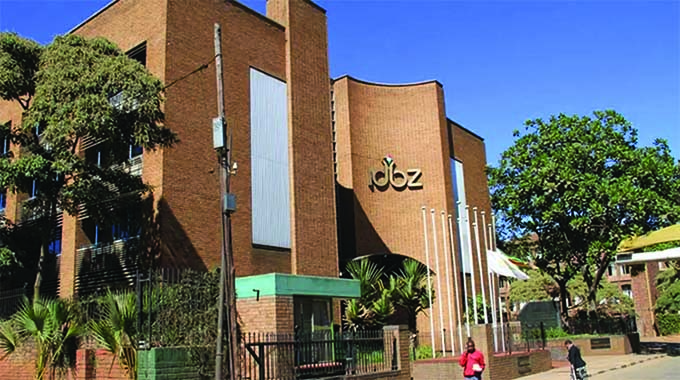
Harare Bureau
The Ministry of National Housing and Social Amenities, in partnership with the Infrastructure Development Bank of Zimbabwe IDBZ), is conducting a market survey to determine the nature of housing units preferred by various classes of citizens.
This was in line with IDBZ’s mandate of delivering affordable housing units, the bank said.
Under National Development Strategy 1, the national medium-term economic programme running between 2021-2025, the housing delivery pillar is expected to deliver 220 000 housing units by 2025 through collective efforts from stakeholders and all parties involved in human settlement.
The information the survey is seeking to obtain includes demographic, gender, marital status, current residency (local or diaspora, sources of income, type of employment, monthly income, current home ownership, and preferred type of houses).
An official at the housing ministry, who requested anonymity, said the survey would assist the Government to have a better appreciation of the market requirement for an “efficient and effective rollout of housing programmes.” “This will also help us to attract investment into the housing sector in line with the NDS1 strategy to deliver 220 000 units.
“The survey will help us to close the information gap in terms of what the citizens need, referred housing unit as well as their capacity,” said the official who declined to be named because they were not authorised to talk to the media. In a statement, the IDBZ said the survey would help “to determine the nature of preferred types of housing.”
The bank was primarily set up as a vehicle for the promotion of economic development and growth, and the improvement of the living standards of Zimbabweans through the development of infrastructure, which includes but not limited to energy, transport, water and sanitation, information communication technology (ICT) and housing. Over the past few years, the bank financed a number of low, medium and high-density housing projects in major towns and cities.
Zimbabwe’s housing shortage is estimated at 1,25 million units, which translates to a national backlog of five million citizens or more than 40 percent of the total population.
While the country has witnessed a significant increase in activity in the construction of houses, mainly by people living in the diaspora, the backlog remains huge.
Property experts said the survey would help the Government and the private sector in coming up with housing schemes affordable to various classes of citizens.
In efforts to address the housing challenge, the ministry is spearheading implementation of the National Housing Delivery Programme (NHDP), a massive plan aimed at delivering 220 000 housing units by 2025, and over 470 000 in the long term.
The project aims at creating inclusive settlements that meet the needs and aspirations of Zimbabweans, while utilising local available resources.
In a bid to accelerate the provision of housing, the Government has adopted several strategies to ensure access to housing by the majority of citizens including regularisation of informal and dysfunctional settlements around the country.


 Online Reporter