Online Reporter
Tendai Gukutikwa
Mutare Bureau
Government has reaffirmed its commitment to ensuring every Zimbabwean has access to quality, safe and affordable healthcare through stronger collaboration between the public and private sectors as the country moves towards achieving universal health coverage under Vision 2030.
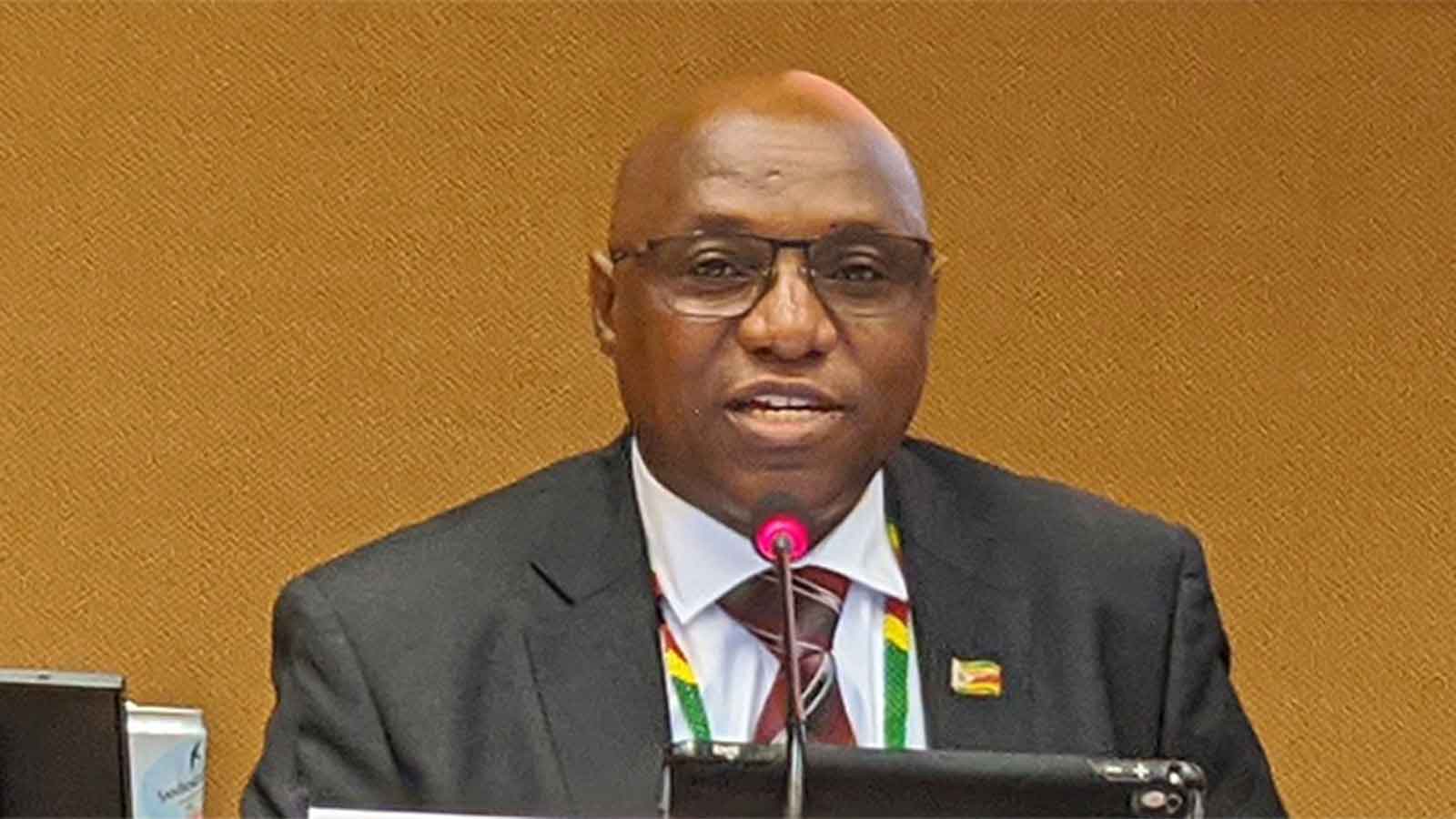
Speaking at the official opening of the Private Healthcare Association of Zimbabwe (PHAZ) annual general meeting in Nyanga last week, Health and Child Care Minister Dr Douglas Mombeshora, who was represented by Manicaland Provincial Medical Director Dr Munyaradzi Mukuzunga, said achieving universal health coverage required a coordinated health system in which all stakeholders worked together to improve service delivery.
“Universal health coverage cannot be achieved by one sector alone. It requires a coordinated approach where every stakeholder contributes towards building a health system that guarantees quality, safe and affordable healthcare for all Zimbabweans,” said Dr Mombeshora.
He said Government recognises the complementary role played by private healthcare providers in broadening access to healthcare services, investing in modern infrastructure and technology, creating employment and supporting national health priorities.
“Our shared responsibility is to build a patient-centred healthcare system that is fair, sustainable and capable of meeting the needs of every citizen regardless of their circumstances,” he said.
Dr Mombeshora stressed that while healthcare services require sustainable financing, no Zimbabwean should ever be denied emergency medical treatment because of financial constraints.
“When life is at risk, the immediate responsibility of the healthcare system is to save lives and stabilise patients.
“Issues relating to payment should only be addressed after that constitutional obligation has been fulfilled,” he said.
He, however, acknowledged that healthcare providers could not be expected to shoulder unsustainable financial burdens indefinitely, adding that Government continues engaging all stakeholders to develop practical financing mechanisms that balanced patients” rights with the sustainability of health institutions.
“Strengthening healthcare financing remains central to Zimbabwe’s long-term health security strategy. As part of ongoing reforms, Government is advancing work towards the establishment of a National Health Insurance programme aimed at creating a more equitable and sustainable healthcare financing model,” he said.
Dr Mombeshora said the proposed programme would reduce out-of-pocket healthcare expenditure, widen access to essential medical services and accelerate the country”s journey towards universal health coverage.
“The objective is to establish a financing mechanism that guarantees broader access to healthcare while ensuring providers are adequately supported to deliver quality services.
“This is one of the major reforms that will shape the future of healthcare financing in Zimbabwe,” he said.
The proposed National Health Insurance programme would require extensive consultations and cooperation between Government, private healthcare providers, medical aid societies and other key stakeholders to ensure its successful implementation, he said.
Dr Mombeshora also highlighted the importance of clearly separating healthcare financing from healthcare provision, saying international experience had shown that combining multiple functions within a single institution often created conflicts of interest and reduced competition.
He said no single organisation should simultaneously act as financier, regulator, purchaser and provider of healthcare services.
“Each institution should concentrate on its core mandate. Financiers should focus on mobilising resources and purchasing healthcare services, while providers concentrate on delivering quality patient care.
“Such a model promotes transparency, accountability, innovation and ultimately produces better health outcomes,” he said.
Government remains committed to creating an enabling environment that encourages investment across the health sector while strengthening efficiency in service delivery.
He noted that stakeholders had raised concerns over multiple licensing and inspection requirements administered by different authorities, adding that Government was aware of those challenges and remained committed to streamlining regulatory processes without compromising patient safety or service standards.
Dr Mombeshora said healthcare reforms being pursued by Government were intended to build a resilient health system capable of responding to both current and future healthcare demands.
He said stronger partnerships between public and private institutions would be critical in expanding access to specialised healthcare services, modern technologies and innovative treatment models.
“As Government, we believe collaboration rather than competition is what will enable Zimbabwe to deliver quality healthcare to every citizen.
“Our goal is to create a healthcare ecosystem where all players complement one another for the benefit of patients,” he said.
The annual general meeting also focused on strengthening cooperation between Government and the private sector as Zimbabwe continues implementing reforms aimed at achieving universal health coverage and attaining its Vision 2030 aspirations.