Online Reporter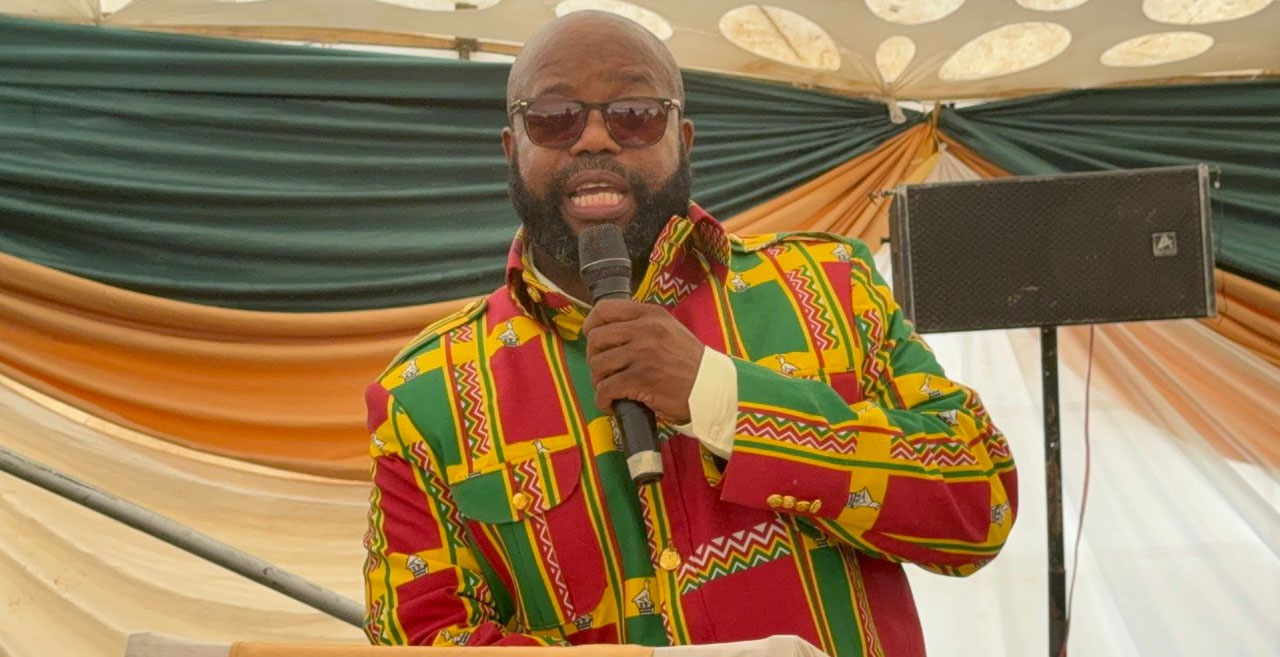
Tendai Gukutikwa
Health Reporter
GOVERNMENT has intensified efforts to improve maternal healthcare services and access to clean water in rural communities, with Kubatana Health Centre in Mutasa set to benefit from a new maternity wing.
Minister of State for Manicaland Provincial Affairs and Devolution, Advocate Misheck Mugadza, said the maternity wing forms part of several development projects underway in Mutasa aimed at bringing essential services closer to the people.
He said the initiatives fall under the Second Republic’s broader agenda to improve healthcare delivery, strengthen rural infrastructure and enhance the quality of life for communities across Manicaland.
Minister Mugadza made the remarks recently while officially installing Headman Muchena in Mutasa, where he outlined a number of ongoing projects in the constituency.
Among them is the planned maternity wing at Kubatana Rural Health Centre, expected to significantly improve access to maternal healthcare for women in the area.
Preparations are at an advanced stage, and construction is due to commence soon.
“The Government remains committed to ensure that no community is left behind in accessing quality healthcare.
“We are pleased with progress at Kubatana Rural Health Centre, where a maternity wing is set to be constructed,” he said.
“The material is already here, and I have been informed that the bricks are in place. Very soon work will commence.
“Women should not have to travel long distances to access maternity services.
“They have every right to safe, accessible and quality maternal healthcare.”
Minister Mugadza said the wing will ease the burden on expectant mothers who currently travel considerable distances for delivery and maternal services, ensuring timely medical attention and reducing risks associated with delayed care.
“Maternal health remains one of our key priorities because healthy mothers contribute to healthy families and communities. We want women in rural areas to access the same quality of healthcare available elsewhere in the country,” he said, adding that the Second Republic, under President Mnangagwa has prioritised investments in healthcare infrastructure, particularly in previously underserved rural areas, through the construction and upgrading of facilities, provision of equipment and expansion of services.
“The vision is to ensure equitable access to healthcare.
“We are seeing clinics being upgraded, health facilities being expanded and infrastructure development across the country. This is part of our commitment to bring essential services closer to where people live,” he said.
Minister Mugadza said the maternity wing will benefit, not only the immediate community, but also villagers from neighbouring areas who struggle to access maternal healthcare.
He also highlighted the importance of safe, clean water in improving public health outcomes, and commended the ongoing installation of solar-powered boreholes in parts of Mutasa South, saying the programme was transforming rural lives.
Communities at Muchena Business Centre, Tsvingwe, Old West and Magute are among those already benefiting.
“Access to clean water is directly linked to good health. Reliable sources of safe drinking water reduce water-borne diseases and improve family wellbeing,” said Minister Mugadza, further noting that the boreholes are easing the burden on women and children who often travel long distances for water, while also contributing to improved sanitation, food security and overall community development.
“Development is not only measured through roads, bridges and buildings. It is also about ensuring access to basic services such as healthcare and clean water. These directly improve people’s quality of life,” he said.
He said Government will continue working with traditional leaders, local authorities and communities to identify development priorities and direct resources where they are most needed.
He urged locals to take ownership of public infrastructure and safeguard it for future generations.
“These facilities belong to the people and communities must protect and maintain them. Government will keep investing in programmes that improve lives, but communities also have a responsibility to preserve these investments,” he said.