Online Reporter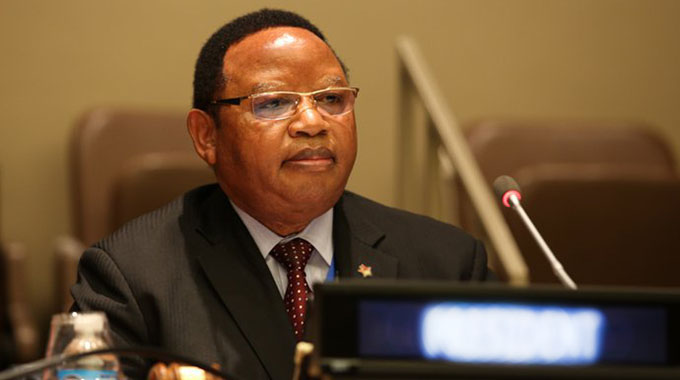
Rutendo Nyeve, Victoria Falls Reporter
THE Government has reaffirmed its commitment to transforming the industrial and commercial sectors through targeted policies, partnerships and productivity enhancements aimed at driving economic growth and achieving Vision 2030.
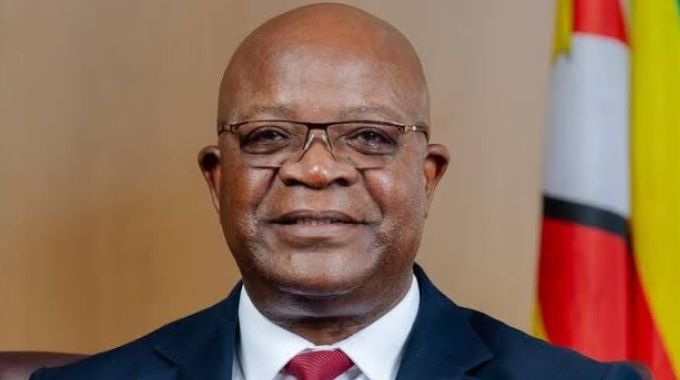
Acting Minister of Industry and Commerce, Dr Frederick Shava, said this on Thursday while addressing delegates to the 2025 Zimbabwe National Chamber of Commerce (ZNCC) Annual Congress in Victoria Falls.
Dr Shava highlighted key milestones and future strategies aimed at driving economic growth and achieving Vision 2030.
He emphasised the Government’s unwavering focus on industrialisation, local content development and formalisation of the economy as cornerstones of sustainable development.
Dr Shava reiterated the Government’s ambition to transform Zimbabwe into an empowered and prosperous upper middle-income society by 2030, guided by the National Development Strategy 1 (NDS1) and the Zimbabwe Industrial Reconstruction and Growth Plan (ZIRGP).
“The core focus of ZIRGP is to stimulate the domestic economy through advancing local procurement, enhancing mineral beneficiation and tackling challenges within the manufacturing and commercial sectors,” he said.
Dr Shava further noted significant progress in implementing the Local Content Policy, which has spurred the production of new goods and increased the visibility of locally manufactured products in supermarkets.
“Our deliberate prioritisation of policies that promote local industry and production is vital for countering informalisation, fostering industrial growth and building a resilient economy,” he said.
To boost industrial development, the ministry is crafting the Zimbabwe National Industrial Development Policy (ZNIDP) 2, which will address critical barriers to growth.
“This policy will provide a comprehensive framework to overcome pressing industrial issues and align our efforts with global best practices,” said Dr Shava.
He revealed that one of the highlights of the Government’s efforts is the establishment of 14 rural industries following the Rural Industrialisation Conference held in Bulawayo in April 2025.
“This milestone underscores our commitment to integrating rural economies into the broader development agenda,” he said.
Such initiatives align with the Devolution Policy Framework, ensuring that growth benefits all Zimbabweans, including those in underserved regions.
Dr Shava also announced the launch of the Local Content Steering Committee for Manufacturing, a pivotal body tasked with overseeing local content policies and programmes.
“This committee will increase local participation, develop skills, reduce reliance on imports and ensure transparency,” he said.
These measures are critical for achieving inclusive and sustainable growth, said Dr Shava, adding that Zimbabwe’s active engagement in regional and international trade initiatives, such as the African Continental Free Trade Area (AfCFTA) guided trade, as a key driver of economic diversification.
“These efforts are helping to expand our export basket and strengthen Zimbabwe’s position in the global market,” he said.
To enhance the quality of locally produced goods, the minister said Government is developing the National Quality Policy, the Standards Bill, and the Wholesale and Retail Sector Policy.
“These frameworks will ensure safety, reliability and interoperability of goods and services, aligning our standards with global best practices,” he said.
He stressed that adherence to these policies is not just a legal obligation but a reflection of Zimbabwe’s commitment to excellence.
Addressing the challenges posed by the informal sector, Dr Shava said the Government has established an Inter-Ministerial Committee on Formalisation, chaired by the ministry.
“Our collective aim is to address the root causes of informality and promote a thriving formal economy,” he said.
The committee includes representatives from the Ministries of Labour and Social Welfare, SMEs, the Bankers Association of Zimbabwe, Zida and the Reserve Bank of Zimbabwe.
Dr Shava also underscored the Government’s crackdown on smuggling and counterfeit goods through the Taskforce on Anti-Smuggling and Business Malpractices.
“Enforcement activities, including inspections and confiscations, are ongoing nationwide. We are instituting stricter penalties to safeguard our local industries and protect consumers,” he said.
Calling for unity and collaboration among all stakeholders to achieve macroeconomic stability and sustainable growth, he urged patriotism, diligence, hard work and a change of mind-sets to reset Zimbabwe’s economy.
“Industry players must ensure environmentally sustainable and compliant production processes,” he said.
The minister expressed gratitude to development partners for their support, emphasising the importance of a Whole-of-Government and Society Approach to achieving the Sustainable Development Goals.
“Progress is only possible through collaboration at every level, Government, private sector, civil society and development partners working together,” he said.
Through innovative policies, rural industrialisation and robust anti-smuggling measures, Zimbabwe is laying the foundation for a resilient and inclusive economy.
Held under the theme: “Unlocking Business Potential Through Policy, Partnerships and Productivity”, the gathering brought together industry leaders, policymakers and international partners to deliberate on Zimbabwe’s economic trajectory.
@nyeve14