admin
adminThupeyo Muleya Beitbridge Bureau
Government, through the Ministry of Primary and Secondary Education, is seized with addressing some of the barriers to equal education opportunities for all Zimbabweans, an official has said.
Matabeleland South Provincial Education Director (PED), Mr Lifias Masukume said the country was facing a number of challenges that have seen some children dropping out of school.
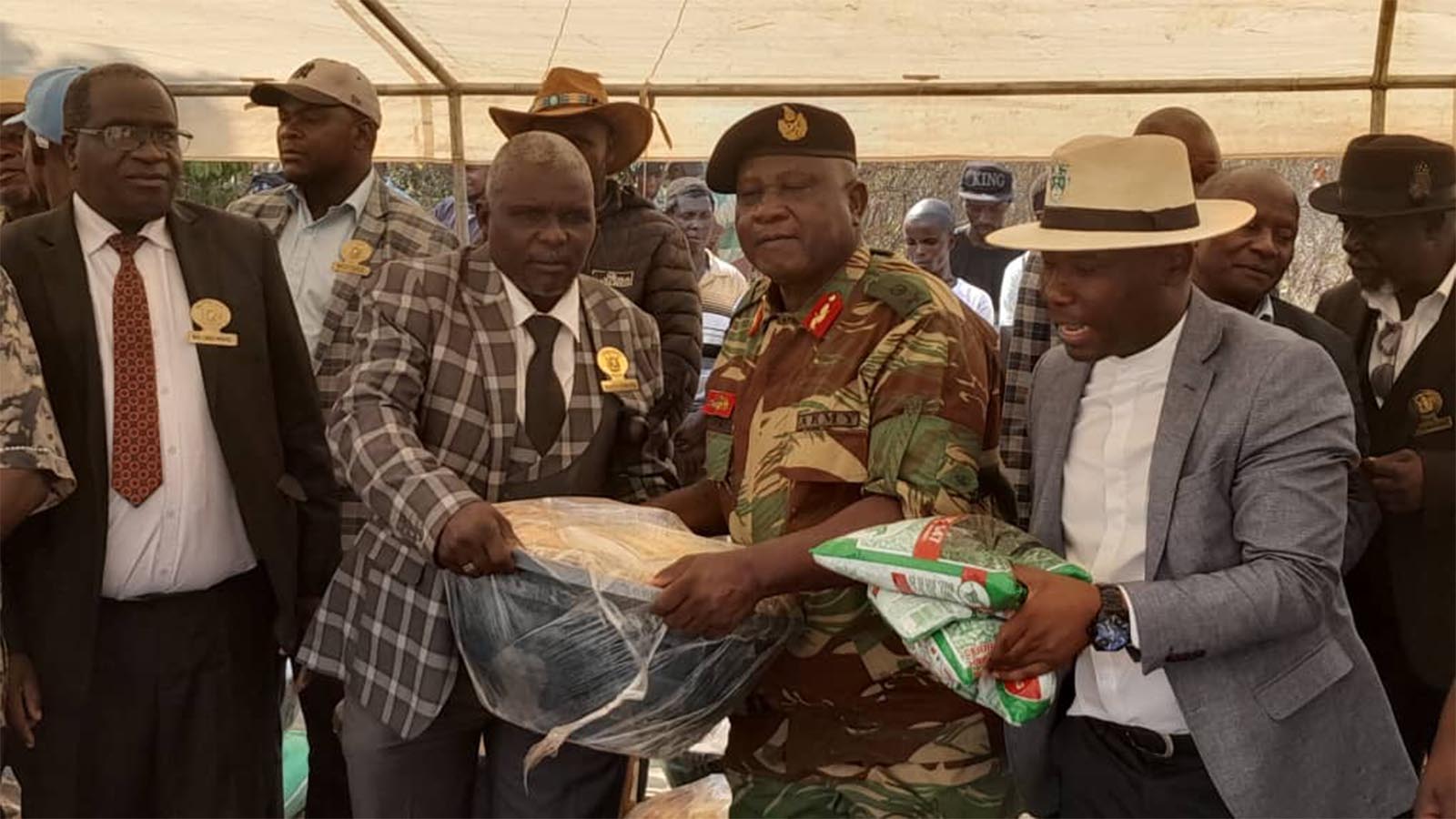
He made the remarks during the handover of an assortment of food items donated by First Lady Auxillia Mnangagwa to Mapili and Mudzviti primary schools in Beitbridge last week.
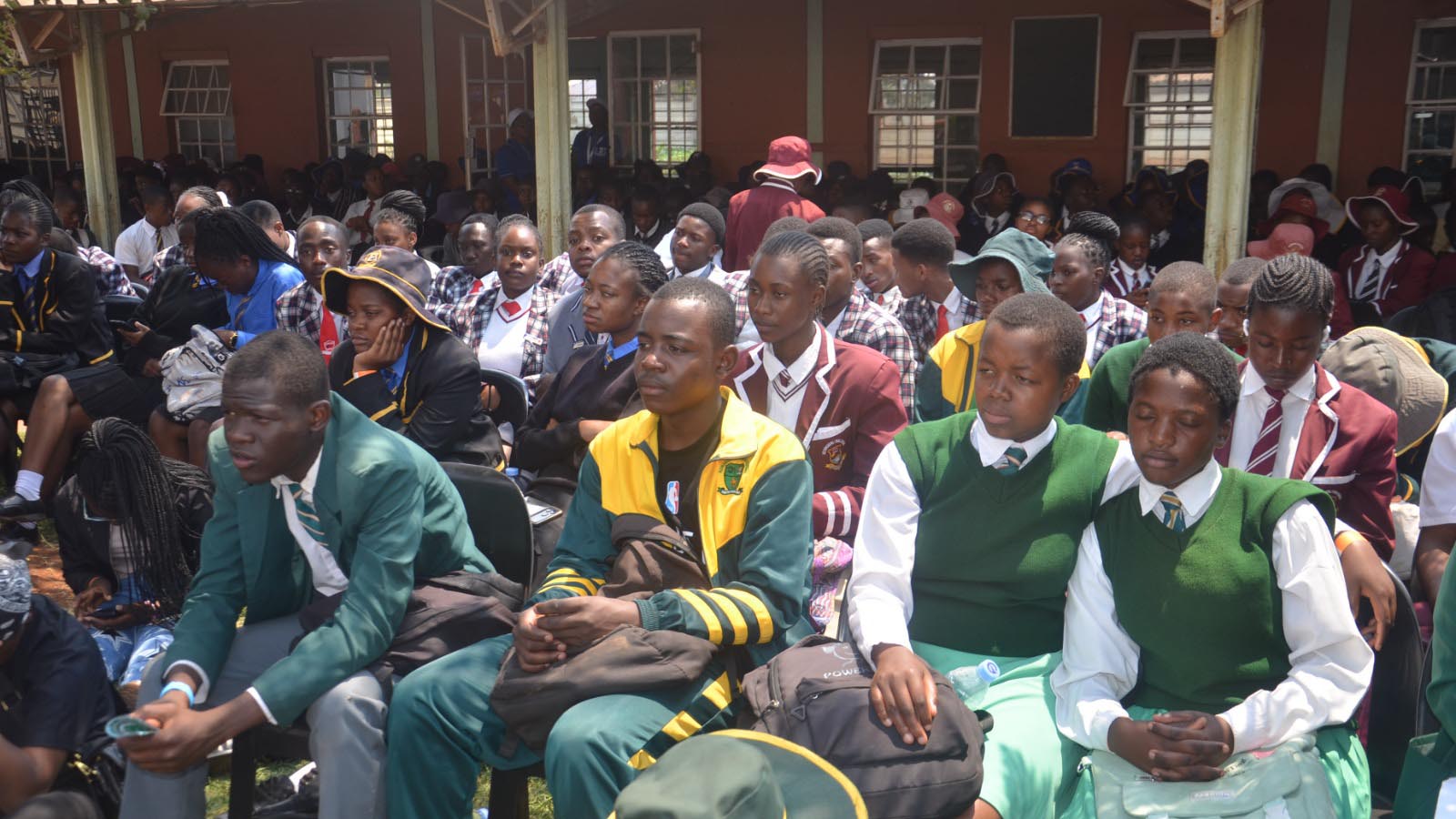
Mr Masukume said the province with seven districts had 513 primary and 166 secondary schools but in some cases children were walking for more than 13km to access the nearest school.
He said some of the barriers to education include, hunger, poverty, HIV/Aids, broken families, disability, natural disasters, violence, and customary practices.
“Our Ministry’s mandate is to provide equitable and quality education and it is a fundamental right which should be enjoyed by every Zimbabwean child all the time regardless of circumstances,” said Mr Masukume.
“It is our focus to ensure that all children access education at the right age and complete the education cycle.
“In addition, these children should access these schools nearer to their homes, but unfortunately the definition of nearest varies from area to area. Here in Matabeleland South, we have children travelling for 13km to school.
“Among other interventions to break the barriers to education, the Government has availed grain to most primary schools under the feeding scheme to address hunger-related issues”.
He added; “This school feeding programme has seen enrolment in Early Childhood Development classes increasing and at the same time we are having positive results in terms of pass rates in other grades.
“Attendance and retention of pupils have been improving over the years in cases where people were dropping out of school because of hunger-related issues. Where children are well-nourished, they tend to concentrate more on their studies”.
The PED said in some cases, new schools were being built to minimise distances travelled by children.
He commended the First Lady for complementing the Government’s school feeding programme through mobilising food items to enhance the programme countrywide.
Mr Masukume said some schools were running horticulture projects to complement their feeding programme.
“However, some projects have been affected by drought,” he said.
“As it stands, the school feeding programme is one good initiative that will go a long way in addressing some of these barriers to education.
“We need to send children to school so that we lay a good foundation for their future,” said Mr Masukume.


 Online Reporter